What are the fertilizer precautions for guava trees?
What should be noted when fertilizing guava trees? Please advise that the application of guava fertilizer should be based mainly on slow-release organic fertilizers, with chemical fertilizers as a supplement. Organic fertilizers cover a wide range, including plant matter, animal matter and animal excreta, etc. The composition of organic fertilizers is extremely important; commonly used ones include rice bran, castor pomace, rapeseed meal, soybean...
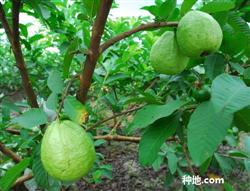
What should be noted when fertilizing guava trees? Please advise
The application of guava fertilizer should be based mainly on slow-release organic fertilizers, with chemical fertilizers as a supplement. Organic fertilizers cover a wide range, including plant matter, animal matter and animal excreta, etc. The composition of organic fertilizers is extremely important; commonly used ones include rice bran, castor pomace, rapeseed meal, soybean flour, peanut meal, discarded rice husks, sugarcane bagasse, discarded mushroom sawdust, peat, animal-based hair and bone meal, cow manure, chicken manure, pig manure and urine, fish extract, seaweed extract and oyster shell powder, etc. When using commercially available bagged fully decomposed organic fertilizers, it should be noted that some composts have urea, ammonium sulfate, phosphate rock powder or silicate slag and other substances mixed in, and there are even cases where high concentrations of chemical components cause fertilizer burn. For clayey soils with low organic matter content, it is recommended to use organic matter with a higher fiber content, because its higher carbon-to-nitrogen ratio means a slower decomposition rate, and long-term application can increase soil organic matter content year by year, thereby improving soil physical and chemical properties. Organic fertilizers based mainly on poultry and livestock manure have relatively high nitrogen and phosphorus content, and also contain relatively high levels of heavy metals such as copper and zinc, so they are not suitable for long-term use.
Chemical fertilizers are cheap, high in purity and easy to apply, while organic fertilizers are expensive, labor-intensive and time-consuming to apply; however, organic fertilizers have a large volume, decompose slowly, can increase soil aeration, increase water retention and improve soil physical structure, and enhance fertilizer effectiveness and root activity. To maintain soil productivity, efforts should be made to maintain or increase soil organic matter content. Chemical fertilizers are simple to apply and quick to show results. In actual cultivation, it is not very likely to use organic matter entirely; where economic benefits permit, chemical fertilizers can be used rationally and in combination with organic fertilizers, to improve guava quality and increase farmers' income.
Various organic fertilizers have different fertilizer effects. Using only a single organic fertilizer may not necessarily provide a ratio of the three major elements suited to the needs of guava at different growth stages, and the fertility status of each specific soil differs. If a single organic matter is applied in large amounts over a long period, it is highly likely to cause nutrient imbalance in the soil, thereby affecting crop yield and quality. Therefore, it should be applied in combination with chemical fertilizers to suit the needs of different growth stages.
Click to get more pomegranate cultivation techniques
Click to get more fruit cultivation techniques