How to Harvest Pomegranates? Detailed Guide to the Correct Method
How are pomegranates harvested? Here is an introduction. Pomegranate harvesting should be carried out in stages according to maturity and cultivar characteristics. The signs that pomegranate fruit is ripe are: 1) The skin turns from green to yellow, colored cultivars develop full color, and the fruit surface becomes glossy. 2) The fruit ridges become prominent. 3) The red or silvery-white needle-like crystals in the flesh cells become fully visible, and red-seeded cultivars reach their inherent color...
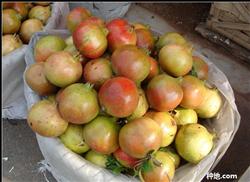
How are pomegranates harvested? Here is an introduction.
Pomegranate harvesting should be carried out in stages according to maturity and cultivar characteristics. The signs that pomegranate fruit is ripe are: 1) The skin turns from green to yellow, colored cultivars develop full color, and the fruit surface becomes glossy. 2) The fruit ridges become prominent. 3) The red or silvery-white needle-like crystals in the flesh cells become fully visible, and red-seeded cultivars reach their inherent color. In northern production areas, the period from the Autumn Equinox to Cold Dew is the suitable harvest time; picking too early gives poor flavor and poor storage quality. Pomegranates in the south should be harvested by first picking the first-flush fruit and large fruit, then picking the later-ripening ones.
When picking, diseased fruit and cracked fruit should be picked by specially assigned workers and handled centrally to prevent the spread of disease. When picking on rainy days, water easily accumulates in the calyx tube of the fruit, which can readily allow pathogenic bacteria to invade and cause rot. Therefore, picking should be done on sunny days. When harvesting, hold the branch with one hand and pick the fruit with the other, keeping about 1 cm of fruit stalk, and pick and place the fruit as gently as possible to prevent mechanical damage to the pomegranate fruit, especially internal injury. If the fruit is squeezed and internal injury occurs, the seeds inside the skin break, but this cannot be seen from the outside. Afterward, during storage and transport, the juice flowing out from the broken seeds will affect the remaining unbroken seeds, causing them to break down and spoil and lose their edible value.
After the fruit is harvested, diseased fruit, damaged fruit and cracked fruit should be removed, and fruit suspected of internal injury should also be sorted out early and sold immediately. Sound, undamaged fruit intended for storage should be promptly treated with fungicide. Test results show that Zaonong Pomegranate Preservative No. 2, developed and produced by the Zaozhuang City Agriculture Bureau of Shandong, has good fungicidal effect, with a use concentration of 1000 times. Soak the fruit in 50% carbendazim at 1000 times solution or 45% thiabendazole suspension concentrate at 800-1000 times solution for 3-5 minutes, then dry and store. When the storage volume is large, the above agents can be sprayed onto the fruit surface, then dried and stored. Jing 2B, Beijing No. 1 preservative, sec-butylamine and others are not ideal for pomegranate preservation.
Click to get more pomegranate growing techniques
Click to get more fruit growing techniques