Common Pests and Diseases in Pear Tree Cultivation and Their Control Methods
What pests and diseases should be prevented in pear tree cultivation? Here is an introduction to the main pests and diseases in pear tree cultivation: For diseases, generally spray fungicide 7 days after flowering, then spray again at an interval of 15 days. After June, on sunny days, spray the protective agent 1:3:240 Bordeaux mixture 3 to 4 times, at intervals of 15 to 20 days. During the rainy season, fungicides can be sprayed on the trees. ① Black spot disease: 75% carbendazim at 800 times dilution.
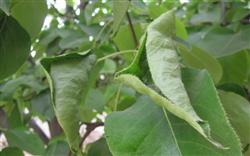
What pests and diseases should be prevented in pear tree cultivation? Here is an introduction.
Main pests and diseases in pear tree cultivation:
For diseases, generally spray fungicide 7 days after flowering, then spray again at an interval of 15 days. After June, on sunny days, spray the protective agent 1:3:240 Bordeaux mixture 3 to 4 times, at intervals of 15 to 20 days. During the rainy season, fungicides can be sprayed on the trees.
① Black spot disease: 75% carbendazim at 800 times dilution.
② Black spot (Alternaria) disease: 1.5% polyoxin at 500 times dilution or 50% iprodione at 1500 times dilution.
③ Ring rot disease: 75% chlorothalonil at 800 times dilution.
④ Pear fruit moth (Grapholita molesta): Bag the fruit or spray 25% chlorbenzuron III at 1500 times dilution twice, or during the adult emergence period use the pear fruit moth sex pheromone lure to trap and kill adults and for monitoring. For trapping and killing, hang one trap per 50 trees. For monitoring, hang 3 traps in the whole orchard; before July hang them in the peach orchard, and later hang them in the pear orchard. Using insect sex pheromone lures for monitoring is simple and easy, with high sensitivity. Hang a commercially available rubber septum sex pheromone lure above a water basin about 20 cm in diameter, with the lure 2 cm above the water surface, and fill the basin with clean water plus a little laundry detergent. Then hang the water basin trap in the orchard at 1.5 m above the ground. From early April, record the number of male moths trapped in the basin daily or every other day. Generally, 1 to 3 days after the moth peak is the beginning of the peak egg-laying period, so arrange spraying immediately. Spray 25% chlorbenzuron at 1500 to 2000 times dilution during the moth (adult) peak period.
Click to get more pear tree cultivation techniques
Click to get more fruit cultivation techniques