How to Grow High-Quality Ya Pear? A Detailed Guide to Cultivation Techniques
How can you grow high-quality Ya pear? Please provide guidance. To grow high-quality Ya pear, you can refer to the following Ya pear cultivation methods: 1. Apply base fertilizer early, increase phosphorus fertilizer, control nitrogen fertilizer, and ensure three waterings. (1) Apply base fertilizer early: The traditional time for applying base fertilizer should be moved earlier to after the fruit harvest in autumn (September-October)...
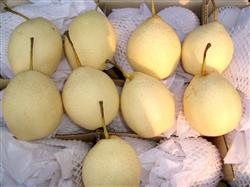
How can you grow high-quality Ya pear? Please provide guidance.
To grow high-quality Ya pear, you can refer to the following Ya pear cultivation methods:
1. Apply base fertilizer early, increase phosphorus fertilizer, control nitrogen fertilizer, and ensure three waterings.
(1) Apply base fertilizer early: The traditional time for applying base fertilizer should be moved earlier to after the fruit harvest in autumn (September-October). This is because at this time the nutrient consumption in the fruiting tree has already been very great, and the root system will enter its last growth peak of the year. Applying an appropriate amount of base fertilizer early can replenish the tree's nutrient deficit, restore tree vigor, and plump the flower buds to lay the foundation for flowering and fruiting the following year.
(2) Increase phosphorus fertilizer: When applying base fertilizer and topdressing, increasing the amount of phosphorus fertilizer can significantly improve the quality of Ya pear. Generally, every 100 kg of fruit requires 0.3 kg of pure nitrogen, and the nitrogen-phosphorus-potassium fertilization ratio is 1:1.5:1. Topdress the soil twice a year, once before bud break (mid-to-late March), and once during the young fruit enlargement stage (May).
(3) Control nitrogen fertilizer: Nitrogen fertilizer should be applied sufficiently before the wheat harvest (before June), and its use should be controlled after June. Applying too much nitrogen fertilizer in the later stage will cause fruit quality to decline and flavor to become bland.
(4) Ensure three waterings: In a normal year, water three times throughout the year in combination with fertilization, watering thoroughly and generously. After the wheat harvest, depending on the weather, if drought continues, water once more. Control watering from July to September.
2. Mulch with grass under the trees to increase fertility and retain moisture
Mulching with grass under the trees before the rainy season can maintain soil moisture and inhibit weed growth. After the straw rots, turn it into the soil, which can increase soil humus, improve soil structure, enhance soil fertility, and promote the growth and development of pear trees.
3. Prune reasonably, adjust tree vigor and light
For trees in full fruit stage, the main task is to adjust fruiting branches, control tree height to no more than 3.5 m, open up the layers to solve the light problem, distribute large, medium, and small fruiting branches evenly, and renew and rejuvenate weakened fruiting branches.
4. Carry out artificial pollination and flower and fruit thinning, and strictly control the fruit retention target
(1) Artificial pollination: Pollen from Guang pear and Xuehua pear is an excellent pollination combination for the Ya pear variety. It not only has a large amount of pollen and strong compatibility, but also produces good fruit color and good quality, superior to other pollinating varieties. Pollen should be collected 2-3 days before Ya pear flowering.
Ya pear has strong fertilization ability within three days after flowering. This key period within three days after flowering should be seized for artificial pollination, and it is best done in the morning.
(2) Flower and fruit thinning: Generally, flower thinning begins from the inflorescence separation stage, and fruit thinning begins two weeks after petal fall, all completed before the end of May.
5. Bagging Ya pear. The bagging period generally starts after fruit thinning is completed on May 20 and is finished before June 10. Before bagging, spray once with a mixed fungicide and insecticide, and bag while spraying. When bagging, the bag opening should be close to the base of the fruit stalk, tied tightly and securely, but do not damage the fruit stalk to prevent fruit drop. Double-layer black inner paper bags are best for pear bags.
Click to get more pear tree cultivation techniques
Click to get more fruit cultivation techniques