How to Grow Pineapple? A Detailed Guide to Practical Cultivation Techniques
Pineapple, also known as fengli, English name Pineapple, belongs to the family Bromeliaceae and the genus Ananas. It is a perennial monocotyledonous herbaceous plant that grows on the ground. The fruit is a collective fruit formed by the aggregation of many small fruits, generally weighing 1-1.5 kg. Pineapple is a tropical fruit native to Central and South America. The pineapple fruit is rich in nutrients, and the juice is not...
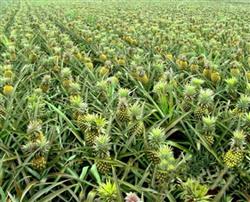
Pineapple, also known as fengli, English name Pineapple, belongs to the family Bromeliaceae and the genus Ananas. It is a perennial monocotyledonous herbaceous plant that grows on the ground. The fruit is a collective fruit formed by the aggregation of many small fruits, generally weighing 1-1.5 kg. Pineapple is a tropical fruit native to Central and South America. The pineapple fruit is rich in nutrients, and the juice not only contains a large amount of vitamin C but also has a distinctive fragrance. The flesh contains bromelain (Bromelin), which can break down protein and help the human body digest; eating it after a meal is good for health. In addition, it has the effects of clearing heat, promoting diuresis, detoxifying, and relieving thirst.
1. Distribution Areas
Pineapple is widely distributed between the Tropic of Cancer and the Tropic of Capricorn and is one of the world's important fruits. More than 80 countries and regions in the world cultivate it economically. The main producing areas are concentrated in Thailand, the Philippines, Indonesia, Vietnam, Brazil, South Africa, and the United States. China is one of the top ten major pineapple-producing countries.
2. Cultivation Significance
Pineapple fruit has excellent quality and is rich in nutrients. According to analysis, every 100 grams of flesh contains 12-16 grams of total sugar, 0.6 grams of organic acids, 0.4-0.5 grams of protein, and 0.3-0.5 grams of crude fiber, and it also contains a variety of vitamins, among which the vitamin C content can be as high as 42 mg. In addition, it is rich in calcium, iron, phosphorus, and other nutrients.
When eaten fresh, pineapple has golden flesh, a rich fragrance, a pleasant sweet-and-sour taste, and a crisp, juicy texture. Its processed product, canned pineapple, is known as the "international fruit can" and can also be made into many kinds of processed products, which are widely welcomed by consumers.
The pineapple plant has strong adaptability, tolerates poor soil and drought, and has relatively few pests and diseases. It is an important pioneer crop for newly reclaimed mountain land. It is easy to cultivate, has high yield, and can also be intercropped, making it a good tree species for helping farmers become prosperous.