What are the techniques and methods for preserving mango flowers and fruit
How do you preserve flowers and fruit on large mango trees? I need advice. The flowering and fruit-setting period of large mango trees is an extremely critical period in mango production management. The management measures during the flowering and fruit-setting period include the following aspects: 1. Training of flowering shoots. About 2 months before flower bud differentiation, remove overly dense branches, shaded weak branches and diseased or pest-infested branches, leaving only...
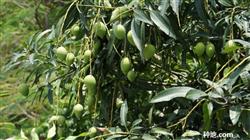
How do you preserve flowers and fruit on large mango trees? I need advice.
The flowering and fruit-setting period of large mango trees is an extremely critical period in mango production management. The management measures during the flowering and fruit-setting period include the following aspects:
1. Training of flowering shoots. About 2 months before flower bud differentiation, remove overly dense branches, shaded weak branches and diseased or pest-infested branches, leaving only 1-2 shoots per branch. This can increase the light penetration of the canopy, help concentrate nutrients and create good ventilation and light conditions, promote flower bud differentiation and prevent the occurrence of pests and diseases.
2. Cultivating and attracting flies for pollination. Before flowering in a longan orchard, pile up garbage in the orchard or compost bran manure, chicken manure, salted fish fragments, livestock and poultry viscera, etc., which can cultivate and attract flies to come to the orchard to reproduce and pollinate. However, using flies can only provide partial pollination.
3. Application of trace elements and calcium fertilizer. From flowering to the young fruit stage of mango, lime can be applied to reduce soil acidity and the content of harmful iron, aluminum and manganese, and raise calcium levels. Generally, apply 0.6-0.8 kg of lime per tree, or spray a 2% calcium chloride solution from flowering to fruit setting. For the application of zinc and boron, spray a 0.2% zinc sulfate and 0.2% borax solution once 10 days before flowering and once at full bloom and after petal drop, to promote pollination and fruit setting. When applying, it can be mixed into pesticides during pest and disease control for foliar fertilization, and combined with irrigation. For soil application, apply 100 grams of zinc sulfate and 50 grams of borax per tree, combined with nitrogen, phosphorus and potassium fertilizers before the autumn shoots sprout.
4. Spraying flower- and fruit-preserving agents: use 50-100 ppm gibberellin, spraying once every 15-20 days after petal drop, for a total of 2-3 sprays, which has a certain effect on increasing the fruit-setting rate. Or use the following method: full bloom stage: spray 50-70 ppm fruit-preserving hormone (produced in Sichuan) + 0.3% borax. 1 week after petal drop: spray 50-70 ppm fruit-preserving hormone (produced in Sichuan) or 300 times Duoxiaohao or 1.8% Aiduoshou 0.5-1 ppm + 0.2% monopotassium phosphate. 2-3 weeks after flowering: spray 30-50 ppm "920" plus 0.3% urea.
5. Topdressing. (1) Rhizosphere topdressing: from petal drop to the rapid expansion stage of young fruit, apply topdressing according to tree vigor and fruit load. Fertilization is mainly nitrogen and potassium fertilizers. For trees under 10 years old, apply 0.3-0.5 kg each of urea and potassium fertilizer per tree; for trees over 10 years old, apply 0.5-1.0 kg each of urea and potassium fertilizer per tree; trees with few fruits may omit nitrogen fertilizer and only supplement potassium fertilizer, applying 0.3-1.0 kg of potassium fertilizer per tree depending on tree age. During fruit growth, for weak trees with many fruits, an appropriate amount of nitrogen and potassium fertilizer can also be supplemented in June. (2) Foliar topdressing: spray 0.3% boric acid and 0.2-0.3% monopotassium phosphate once each at full bloom, at the end of flowering and at the young fruit stage.
6. Fruit thinning and pruning of fruit-bearing branches. Fruit thinning is carried out within 15-30 days after petal drop, when the young fruits are about the size of a peanut. Keep only 2-4 fruits per panicle, preferably in the central position, selecting larger young fruits with tender green color and strong growth vigor. The retained fruits should be evenly distributed within the canopy and among branches, preferably so that the fruits are not pressed tightly against one another. After physiological fruit drop in mango, the panicle axis is difficult to shed naturally and should be cut off manually to avoid wind rubbing and scratching the fruit skin and affecting appearance. However, Irwin and Jinhuang mango varieties should retain it.
7. Promoting coloration. For some varieties with good red skin, such as Hongmang No. 6 and Irwin mango, remove shaded weak branches, diseased and pest-infested branches and other branches that block the fruit during pruning at the mid-fruit stage, so that each fruit receives sufficient light and colors evenly. Before bagging the fruit, spray 70% dithianon wettable powder 1-2 times, which can make Irwin mango have a rosy appearance color; spraying 50% benomyl wettable powder can promote delicate fruit skin and produce bloom; spraying 80% sulfur wettable powder can promote red-yellow skin color and produce bloom.
8. Bagging. The fruit development period of mango is a time of high temperature and frequent rain, and fruit bagging is the best way to protect the fruit from pests and diseases. Before bagging, spray fungicides and insecticides first, or soak the paper bags in the liquid medicine and then use them. After bagging, tie tightly, and leave drainage holes at the bottom of the bag to drain accumulated water. The size of mango bags varies by variety. The general specifications are: length 22-30 cm, width 15-20 cm. The paper bag material can be composed of white wax paper, black kraft paper and non-woven fabric. The bagging time is generally after fruit setting is basically stable, that is, after the second physiological fruit drop ends, when the fruit grows to the size of an egg. Purple mango is bagged about 35 days after petal drop, and Irwin mango is bagged 30-50 days before harvest, which is beneficial to fruit coloration. Jinhuang mango can be bagged earlier, or bagged 45 days before harvest.
Click to get more mango cultivation techniques
Click to get more fruit cultivation techniques