What are the key management techniques for a mango orchard?
Strengthening the comprehensive management of a mango orchard means promoting vigorous tree growth to achieve high and stable yields, excellent quality and improved economic returns. Specifically, work should start from the following aspects: 1. Soil cultivation must be meticulous. Ensure a good soil aggregate structure in the surface growing layer, avoid soil compaction, and...
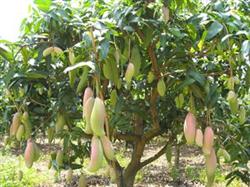
Strengthening the comprehensive management of a mango orchard means promoting vigorous tree growth to achieve high and stable yields, excellent quality and improved economic returns. Specifically, work should start from the following aspects:
1. Soil cultivation must be meticulous. Ensure a good soil aggregate structure in the surface growing layer, avoid soil compaction, and ensure the infiltration of water, fertilizer and air and the extension of the root system. Appropriate inter-row cultivation can keep the soil loose and airy, promote microbial reproduction and the oxidative decomposition of organic matter, increase organic nitrogen in the soil, reduce water evaporation, and also eliminate a large number of weeds. At the same time, according to the climate environment and soil texture structure of the planting area, avoid soil leaching loss as much as possible.
2. Fertilizer and water application must be rational. At each stage of mango growth, the elements required play different roles. Nitrogen fertilizer can promote vegetative growth and improve photosynthetic efficiency; phosphate fertilizer can enhance the vitality of fruiting trees and promote flower bud differentiation and fruit development. An appropriate amount of potassium can promote fruit ripening and promote enzyme transformation and transport; calcium plays a role in balancing physiological activity in the fruit tree body. Particular attention should be paid to the supplementation of calcium and magnesium fertilizers and the trace elements boron and zinc. The purpose of requiring rational matching is both to promote flowering and fruiting in the current year, control excessive summer shoot growth, and also promote autumn shoot sprouting, laying the foundation for a bumper harvest the following year. To ensure effectiveness, new high-fat film should be added with each fertilization.
3. Management during the flowering and fruiting period. This is the top priority of management throughout the entire growth period. Its management work should start from the flower bud differentiation stage and continue until the expansion and harvest period. To promote flower bud differentiation, before the differentiation stage use Flower Promotion King No. 2 (southern product) for ring brushing, which both promotes flower buds and inhibits excessive shoot growth. To promote flowers and strengthen fruit, during the flower bud stage, young fruit stage and fruit expansion stage, spray Guaguo Zhuangdiling, mainly to promote strong flowers and enhance pollination ability, promote thickening of the fruit stalk, open up nutrient transport channels, ensure expansion requirements, and at the same time enhance fruit surface coloring and brightness.
4. Pruning and training. Reasonable close planting is crucial, and scientific pruning is very important. Its purpose is to ensure ventilation and light transmission, help improve photosynthetic efficiency and enhance the effectiveness of pest and disease control. In orchard pruning and training, the traditional practice easily invites infection by pests and diseases because cut surfaces are not treated. Therefore, after pruning, promptly apply callus anti-corrosion film to the wounds to promote the rapid formation of healing tissue, so as to prevent infection by rot fungi and wound cracking. The severity of fruit tree pruning varies with the tree and the time. Regularly spray Tree Protection General to prevent the replication of various harmful viruses within the tree bark and invasion by insect pests.
Click to get more mango growing techniques
Click to get more fruit growing techniques