Burlap Sack Composting for Home Gardens: Fast and Low Odor
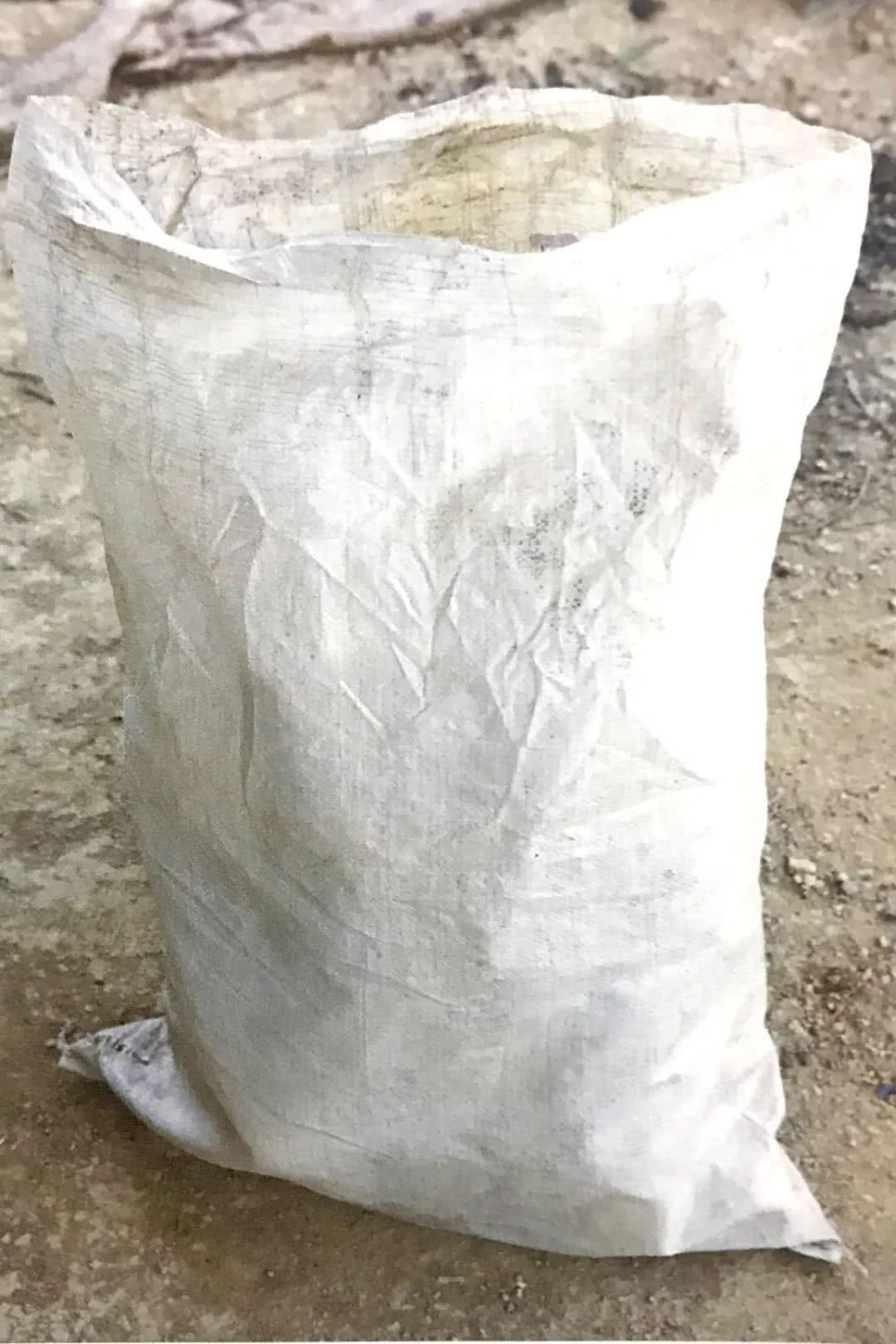
Burlap Sack Composting Method
Friends who have read the previous article on Growing on the Balcony will notice that the burlap sack composting method is very similar to the open composting method, except that the container holding kitchen scraps is changed to a burlap sack.
Well, after loading the kitchen scraps, twist the opening of the bag slightly so that odors do not escape easily. Of course, just like the open composting method, whether raw or cooked kitchen scraps, animal-based or plant-based kitchen scraps, fallen leaves, etc., all can go into the bag.
Burlap Sack Composting
Method and Steps
One: Add Fallen Leaves
Open the burlap sack and place a small amount of active microbe soil or fallen leaves at the bottom inside the bag.
Two: Add Kitchen Scraps
Slowly add the kitchen scraps. For larger pieces of kitchen scraps, please cut them to about 1 cm in advance.
Three: Sprinkle in Rice Bran
Evenly sprinkle a thin layer of rice bran, or replace it with soybean meal.
Four: Add Compost Soil
Add a small amount of fully matured compost soil or coarse bran.
Five: Stir Evenly
Stir and shake evenly. Be very careful, do not rush and accidentally poke a hole in the bag.
Six: Twist the Bag Opening Tight
Twist the opening of the bag tight. The bottom of the burlap sack must be suspended and ventilated; you can place it flat on two or more bricks, or rest it on the legs of two stools.
Host's Tip: Sharp bones will poke holes in the burlap sack, so the host does not recommend putting them into the bag.
Burlap Sack Composting
Personal Tips Shared
1. For the burlap sack, genuine burlap material is best, but this kind of bag is already very rare. The rice bags sold on the market are mostly made of polyethylene and have ventilation holes on them.
2. Before use, please first check whether the burlap sack is intact. There absolutely must not be any holes in it!
3. Using the burlap sack composting method, you can open it every day to add kitchen scraps, and then turn and stir it at the same time. (This is a bit like making wine... hehe, should the host go cross-topic in the next article and talk about how to buy grapes to make homemade wine?)
4. Although the capacity of the burlap sack is large, it can only be filled to half full. This is because space must be reserved for twisting the bag opening, and it should not be packed too tightly, so as to ensure sufficient air and space for the kitchen scraps to ferment.
Because length must be reserved at the bag opening for twisting, the burlap sack should not be filled more than half full.
5. Counting from the last time kitchen scraps are added, after about 1 month in summer and about 1.5 months in winter, the compost reaches a semi-mature state. It can be poured out into a container and left to sit for another 1 month to become fully mature.
6. Burlap sacks can be reused. As long as they are not torn, please do not throw them away!
7. During the process, if you are worried about pets or mice biting the burlap sack, you can cover the burlap sack with a cage or box, provided that ventilation is maintained.
8. If fellow gardeners are worried about attracting mosquitoes and flies, you can buy bamboo vinegar liquid, dilute it with water at 50 times, put it into a spray bottle, and lightly spray it on the burlap sack, and mosquitoes and flies will not like to come near. Anyway, the amount of kitchen scrap fertilizer used at home is not large, and this method is very effective!
Spraying bamboo vinegar liquid on the burlap sack can keep mosquitoes and flies away
Growing on the Balcony
Alright, this article ends here. If fellow gardeners still have any questions, check in at the comment section below.