Coffee grounds for plants: they can be composted and also repel pests, which method suits you?
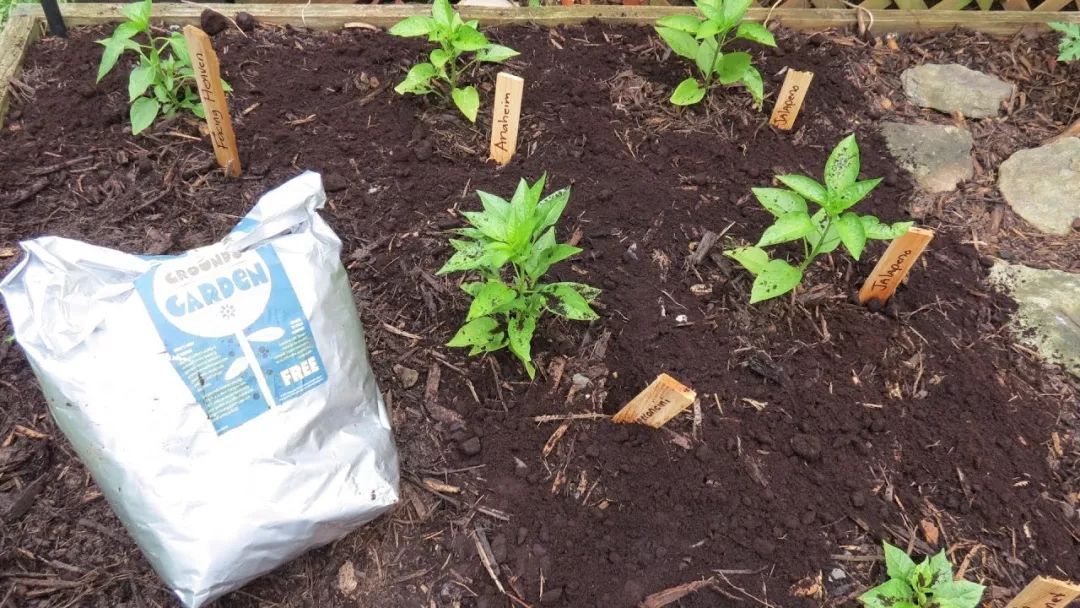
The coffee grounds produced in daily life are usually thrown into the trash bin and generally taken straight to a landfill, but some clever gardening enthusiasts choose to keep them and use them directly for composting, turning them through decomposition and fermentation into a fertilizer suitable for promoting plant growth, and it is healthy and harmless.
1. Turning coffee grounds into fertilizer
Coffee grounds are an excellent fertilizer, but they must not be allowed to touch the plant roots directly. You can dig some holes at the edge of the soil, about 5 cm deep, then put the coffee grounds in, cover them with a suitable amount of soil, and then water thoroughly. Its nutrients will slowly break down, releasing plenty of nitrogen for the plant, promoting vigorous stem and leaf growth. For some flowering plants, do not add too much.
2. Composting coffee grounds
Coffee grounds contain very abundant nitrogen, making them an excellent composting material. You can mix the coffee grounds with soil, which will then promote microbial growth, and after decomposition and fermentation they can be used to grow plants.
When the coffee grounds break down, this nitrogen can provide very rich nutrition for plants. The composting method is very simple. You can put the coffee grounds in some black plastic bags, mix in a suitable amount of soil, add clean water, and keep the composting material moist but not waterlogged. It generally takes 3 to 6 months to finish. Add clean water in time and stir appropriately. Coffee grounds can also be added to compost, which can speed up composting and also eliminate unpleasant odors.
3. Turning coffee grounds into a pest repellent
Coffee grounds can also become a very good pest repellent. Mosquitoes hate its strong smell, and coffee grounds can also prevent mosquitoes from breeding in the soil, and have a certain effect on controlling fungus gnats. If you find fungus gnats around potted plants, you can directly cover the soil surface with some coffee grounds, which can prevent fungus gnat eggs from hatching.
In sinks at home or on still water bodies, you can sprinkle some coffee grounds, which can eliminate mosquito larvae.
To enhance the mosquito-repellent effect, you can even burn coffee grounds in aluminum foil or an aluminum can, or mix hot water and coffee grounds, pour the solution into a spray bottle, and spray the solution around the yard.
4. Repelling slugs and snails
If slugs and snails are active around your plants, you can sprinkle some coffee grounds around the plants, which can keep them away and prevent the plant leaves from being eaten bare. After rain or watering, they need to be spread again.
5. Dyeing material
Coffee grounds can also dye wood, and you can absolutely make it yourself. The method is very simple, and this is also a very healthy way to adjust color. You can collect coffee grounds in a container, then add some boiling water, soak for at least 2 hours, or even leave the coffee grounds soaking in hot water overnight.
After that, filter out the coffee grounds and pour the solution into a container. You can soak the paint in it, then apply it evenly to the wood. Let it sit for 10 minutes and then brush again. After several times, you can get the color you want. If you need a darker shade, you can rub the wood in the coffee grounds to darken its color.