Correct Methods and Technical Key Points for Applying Biogas Fertilizer to Chestnut Trees
How should biogas fertilizer be applied to chestnut trees? Please provide an introduction. Chestnut growth requires nutrient elements such as nitrogen, phosphorus, potassium, calcium, iron and boron, and the soil must be permeable and well aerated, with good water and fertilizer retention. Using biogas fertilizer to grow chestnuts can meet most of the nutrients needed for their growth. Biogas fertilizer is rich in elements such as nitrogen, phosphorus, potassium, calcium, magnesium and iron...
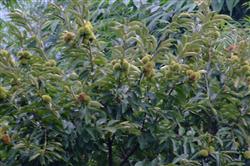
How should biogas fertilizer be applied to chestnut trees? Please provide an introduction
Chestnut growth requires nutrient elements such as nitrogen, phosphorus, potassium, calcium, iron and boron, and the soil must be permeable and well aerated, with good water and fertilizer retention. Using biogas fertilizer to grow chestnuts can meet most of the nutrients needed for their growth. Biogas fertilizer is rich in elements such as nitrogen, phosphorus, potassium, calcium, magnesium and iron, as well as large amounts of organic matter, various amino acids and vitamins, etc. It is highly decomposed and easily absorbed by crops. At the same time, applying biogas fertilizer can also significantly improve the soil, ensure the good micro-ecological environment needed for chestnut growth, and help enhance its frost and drought resistance and reduce pests and diseases. Practice has shown that applying biogas fertilizer to chestnuts can increase yield by about 20% compared with conventional growing methods, and the fruit is large, uniform in weight, fresh and sweet in taste, good in color, and resistant to storage and transport, with very little difference between on-years and off-years. The specific methods for using biogas fertilizer to grow chestnuts are as follows:
1. Heavily apply post-harvest base fertilizer. The base fertilizer should be applied after chestnuts are harvested, generally before the end of October. Taking the tree canopy drip line as the boundary, dig a ring-shaped fertilizer trench about 70 cm wide, and apply 70 kg of biogas fertilizer per tree (this may be appropriately increased or decreased according to the number of fruits in that year and the size of the tree canopy). In addition, borax may be mixed with biogas residue at the usual rate and applied in. After fertilizing, cover with soil.
2. Apply a sprouting fertilizer before flowering. The fertilization time is April. Around the drip line of each tree canopy, dig a shallow trench about 30 cm deep and 30 cm wide, apply about 100 kg of biogas slurry, add 0.3 kg of borax, and promptly cover with soil. At the same time, use clarified and filtered biogas slurry to spray the tree canopy, about once every 10 days.
3. Apply sufficient fruit-setting fertilizer at flowering stage. From June to July each year, because of flowering and fruit growth, chestnuts need more nutrients. At this time, dig a shallow trench about 20 cm deep and 20 cm wide at the canopy drip line, apply about 50 kg of biogas slurry, add 0.5 kg of potassium dihydrogen phosphate, and also spray biogas slurry on the canopy leaves, spraying once every 10 days. If applied once each at full bloom and fruit enlargement stages, and combined with spraying Zhuangguodiling, the effect is even better.
4. Precautions: (1) When using biogas slurry to spray chestnut leaves, the biogas slurry must come from the discharge outlet of a biogas digester that has been producing gas normally for more than three months, and it must be clarified, filtered and left to stand for 2-3 days; (2) Foliar spraying should be carried out on a windless sunny or cloudy day, and preferably in the morning or evening when humidity is relatively high. It must not be sprayed on rainy days or at noon on sunny days when the temperature is relatively high; (3) When spraying the leaves, focus on the undersides of the leaves; (4) Determine the amount of fertilizer and operating techniques according to the tree's growth condition: generally, trees with poor growth should be heavily fertilized, those with good growth lightly fertilized, old and declining trees heavily fertilized, young and vigorous trees lightly fertilized, trees with many fruits heavily fertilized, and trees with few fruits lightly fertilized; in terms of operating techniques, special care must be taken not to damage the tree roots when digging fertilizer trenches, and when digging repeatedly, attention should be paid to rotating and shifting the positions.
Click to get more chestnut tree planting techniques
Click to get more fruit planting techniques