Management Methods and Technical Points for Pitaya After Planting
How to manage pitaya after planting? Please introduce the management methods. Pitaya begins to flower and bear fruit about 12-14 months after planting, and can flower 12-15 times per year. The fruiting period is from April to November, and fruits can be harvested 30-40 days after the flowers fade. The single fruit weight is generally 500-1000 grams. In the second year after planting, each column produces more than 20 fruits, and in the...
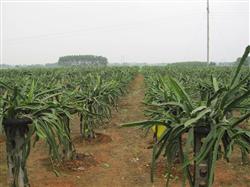
How to manage pitaya after planting? Please introduce the management methods
Pitaya begins to flower and bear fruit about 12-14 months after planting, and can flower 12-15 times per year. The fruiting period is from April to November, and fruits can be harvested 30-40 days after the flowers fade. The single fruit weight is generally 500-1000 grams. In the second year after planting, each column produces more than 20 fruits, and in the third year it enters the full fruiting period. With a relatively high level of management, the yield per 667 sq m can reach more than 2500 kg, with good early fruiting and high yield performance.
Apply thin fertilizer frequently. Because the fruit harvest period is long, organic fertilizer must be heavily applied every year, and nitrogen, phosphorus, and potassium compound fertilizers should be applied in a balanced and long-term manner. During the flowering and fruiting period, potassium and magnesium fertilizers should be supplemented to promote sugar accumulation in the fruit and improve quality. During the fruiting period, keep the soil moist, and cover the tree disc with grass or mushroom residue. In dry weather, irrigate once every 3-4 days.
Shape pruning. Before the branches climb to the top of the concrete column, they should be allowed to maintain single-branch growth. After they grow to the top of the column (1.3-1.4 m), the growing tips should be pinched off to promote branching, and the branches should be allowed to droop naturally to accumulate nutrients and flower and fruit earlier. Well-growing pitaya has relatively high natural sprouting ability. Generally, each branch can send out 3-5 new shoots. In order to increase or decrease strong fruiting branches, during each year's vegetative growth period, 1-3 robustly growing branches may be retained per branch depending on the growth situation; during the reproductive growth period, to ensure the nutritional needs of fruit development, all newly sprouted branches should be thinned out.
Interplanting and artificial pollination. When planting red-fleshed pitaya, about 10% white-fleshed pitaya should be interplanted. Mutual pollination between varieties can significantly increase the fruit-setting rate. In rainy weather, artificial pollination should be carried out. Pollination can be done in the evening when the flowers are open or in the early morning before the flowers close, using a soft brush to directly apply pollen to the stigma of the female flower to increase the fruit-setting rate.
Flower thinning and fruit thinning. Pitaya has a long flowering period and strong flowering ability. It flowers from May to October, and each branch produces an average of 2.7 flower buds per flowering season. After normal pollination and fertilization, the faded flowers can be cut off by the ring-cutting method (retaining the stigma and the sepals below the ovary). When the young fruit reaches about 2 cm in transverse diameter, start fruit thinning. Keep one young fruit per branch that is plump, bright green, free of damage and deformity, and has a certain amount of growing space, and thin out the rest to concentrate nutrients and promote fruit growth.
Fruit bagging. Before the peel changes color, bag the fruit with old newspapers or kraft paper bags to keep the peel evenly colored, prevent biting by birds, yellow wasps, and others, as well as wind damage and direct sunlight exposure, and improve commercial value.
Harvest at the right time. The fruit development period varies with production season, geographic location, and variety. Generally, it can be harvested about 45 days after flowering. Harvesting too late will not only cause fruit cracking, but also cause localized blackening of the peel color, affecting commercial value. For fruits intended for long-distance transportation or long storage, it is better to harvest before the fruit softens and the color darkens.
Click to get more pitaya planting techniques
Click to get more fruit planting techniques