What disease is brown rot in papaya cultivation?
What is papaya brown rot? Here is an introduction and control methods. Symptoms of papaya brown rot: Brown rot mainly damages the fruit, but can also damage flowers and young shoots. When the fruit is affected, small brown, nearly round spots appear first, and as the disease develops, the spots continue to expand. When conditions are suitable, the spots quickly spread over the entire fruit surface,...
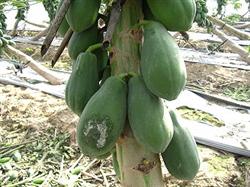
What is papaya brown rot? Here is an introduction and control methods
Symptoms of papaya brown rot: Brown rot mainly damages the fruit, but can also damage flowers and young shoots. When the fruit is affected, small brown, nearly round spots appear first, and as the disease develops, the spots continue to expand. When conditions are suitable, the spots quickly spread over the entire fruit surface and gradually extend into the flesh, causing the entire fruit to rot in severe cases. After the diseased fruit loses water, it becomes a brown mummified fruit that hangs on the branch and does not fall for a long time. The pathogen on the flower stalk or fruit infects the branches, forming brown canker spots, which affects the normal transport of nutrients and water, inhibits the growth and development of the branches, and causes the branches to die.
Occurrence pattern of papaya brown rot: This disease is a fungal disease, and its asexual stage is Monilia in the subphylum Deuteromycotina. The pathogen overwinters on mummified fruit, and the pathogen on diseased branches can also infect after overwintering. In the spring of the following year, after the temperature rises, the pathogen on diseased fruit and diseased branches produces conidia, which spread by wind and rain. Around early May, after young fruit forms, the pathogen mostly invades through wounds on the fruit. Therefore, where insect damage is severe and there are many insect wounds, brown rot is also severe. In years with early or abundant rainfall, the disease occurs early and severely. Low-lying cultivation sites that are prone to waterlogging and weak tree vigor are also favorable for the disease. During the fruit enlargement period, if natural disasters such as strong winds, rainstorms, and hail occur, many wounds are caused on the fruit surface, which also favors pathogen invasion and disease occurrence.
Control methods for papaya brown rot
1. Handle diseased residues. After papaya harvest, in combination with winter pruning, cut off diseased branches, remove diseased fruit, and burn them in a centralized manner, which can effectively reduce the overwintering inoculum sources.
2. Chemical control. In early spring before papaya sprouts, spray 1 time with 5 degrees Baume lime sulfur mixture; from March to April, after papaya flowers fall and before fruit harvest, spray 1 time every 10-15 days with 50% carbendazim 500 times or 50% thiophanate-methyl 800 times solution, for 2-3 consecutive sprays, and it can also control leaf diseases at the same time.
3. Prevent insect wounds. The peach fruit borer is an important pest damaging papaya fruit. In mid-to-late June, when papaya fruit is enlarging, female moths lay eggs in the recess of the fruit stalk and in the gaps close to the seams. After the larvae hatch, they bite through the fruit skin and bore into the fruit. They not only feed back and forth through the flesh, but also cause insect wounds, which favor pathogen invasion. Control method: during the larval hatching period, spray 90% crystal trichlorfon 1000 times solution or fenitrothion emulsion 1500 times solution, once every 7 days, for 3 consecutive sprays.
Click to get more papaya cultivation techniques
Click to get more fruit cultivation techniques