What diseases affect grapes in summer? Detailed planting techniques
What diseases affect grapes in summer? Please introduce them and explain the control methods. In summer, grape growing requires special attention to disease control, especially the control of black pox, white rot, anthracnose, and downy mildew. Focus on prevention, and spray promptly. For medicines with a residual effectiveness period of 17-21 days, generally spray once every 15 days...
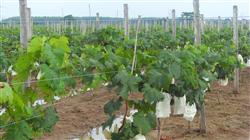
What diseases affect grapes in summer? Please introduce them and explain the control methods
In summer, grape growing requires special attention to disease control, especially the control of black pox, white rot, anthracnose, and downy mildew.
Focus on prevention, and spray promptly. For medicines with a residual effectiveness period of 17-21 days, generally spray once every 15 days. If rain occurs in between, depending on the amount of rain, shorten the number of days until the next spray as appropriate. If heavy rain occurs right after spraying, spray again after the weather clears. If two adjacent medicines are respectively alkaline or acidic, strictly pay attention to the interval time to prevent the two medicines from acid-base neutralization.
At the first sign of disease, treat promptly. Under conditions of continuous rain and high temperature and humidity, grapes are most susceptible to disease. For this reason, conduct a comprehensive observation in the vineyard once every day. At the first sign of disease, spray the corresponding medicine. For the control of downy mildew, 70% Kebo 600x solution, 80% phosethyl Al 300x solution, or 1:0.7:180 Bordeaux mixture can be used.
Use Bordeaux mixture as the main treatment, with other medicines as appropriate. In the process of disease prevention for grapes, Bordeaux mixture should be the main treatment, with other medicines as appropriate, and the disease prevention effect is relatively good. Spray 1:0.5:240 solution once before flowering, spray 1:0.7:220 solution once after flowering, spray 1:0.7:200 solution once during the grape swelling stage, spray 1:1:180 solution once after grape harvest, and spray 1:1:160 solution 1-2 times in autumn. If diseases such as white rot and anthracnose occur in between, spray the corresponding medicine, but the medicines for controlling these diseases are mostly acidic, so when spraying, note that the product must first be tested on a small area before being used on a large area.
Loosen the soil promptly to increase soil permeability. In the rainy season, especially after heavy rain or torrential rain, the surface soil in the vineyard will become compacted, soil aeration will be poor, causing grape roots to lack oxygen, weakening the vine vigor, reducing resistance, and making them prone to disease. Therefore, carry out one intertillage of the soil before the rainy season. During the rainy season, seize the intervals on rainless days to intertill the vineyard in order to increase soil permeability.
Clear secondary shoots to facilitate ventilation and light penetration. In the rainy season, grapes are most prone to excessive vegetative growth, and the incidence of secondary shoots is very high. Pinch the grapes promptly and remove the secondary shoots promptly. At the same time, for plants with too many new shoots, thin out some of them.
Clear the vineyard at the right time to curb the spread of disease sources. A high-temperature and humid environment is favorable for the spread of pathogens. Therefore, clear the vineyard at all times, remove diseased leaves, diseased branches, and diseased fruits from the vineyard, and bury them deeply or burn them. At the same time, promptly remove weeds from the vineyard.
Click to get more grape growing techniques
Click to get more fruit growing techniques