What are the reasons a pomegranate tree fails to bear fruit?
What are the reasons a pomegranate fails to bear fruit? Please, everyone, help explain. Generally, the main factors that may cause a pomegranate tree to fail to bear fruit are light, fertilization, flower organ degeneration, or branches that are too dense; a detailed introduction and solutions are given below (for reference). Reasons that cause a pomegranate tree to fail to bear fruit: 1. Light...
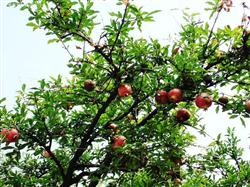 What are the reasons a pomegranate fails to bear fruit? Please, everyone, help explain.
Generally, the main factors that may cause a pomegranate tree to fail to bear fruit are light, fertilization, flower organ degeneration, or branches that are too dense; a detailed introduction and solutions are given below (for reference).
Reasons that cause a pomegranate tree to fail to bear fruit:
1. Caused by insufficient light:
The pomegranate is a light-loving plant. During its vegetative growth and flowering periods, insufficient light or cloudy and rainy weather will cause the pomegranate tree to fail to bear fruit. Insufficient light will cause the plant's vegetative growth to be relatively excessive, which is not conducive to the accumulation of nutrients in the plant, thereby affecting reproductive growth, so the flowers drop immediately after blooming; if continuous cloudy and rainy weather occurs during flowering, the pistil cannot be fertilized normally, causing it to bloom without bearing fruit.
2. Caused by unreasonable fertilization:
The pomegranate is very sensitive to water and nitrogen fertilizer during the flowering period. Many people think that the pomegranate needs a lot of water and nutrients during the flowering period, so they apply large amounts of fertilizer and water, resulting in excessively vigorous vegetative growth of the pomegranate and causing a large number of flowers and fruits to drop.
3. Caused by degeneration of the pomegranate flower organs:
Flower organ development and fruit growth are largely governed by nutritional status. Insufficient nutrition causes poor flower organ development in the fruit tree, forming degenerated flowers and deformed flowers, which drop immediately after blooming.
4. Caused by pomegranate branches being too dense:
The pomegranate grows quickly and can produce new shoots twice a year. Dense branches and upright vigorous branches not only affect ventilation and light penetration, but also compete with flowers and fruits, affecting fruit set and reducing quality, and at the same time make the pomegranate more susceptible to pests and diseases.
Solutions for a pomegranate failing to bear fruit:
Method 1:Ensure sufficient light throughout the entire growing season of the pomegranate. As long as there is no lack of water, the pomegranate is not afraid of strong light.
Method 2:Strengthen fertilizer and water management. During the growing period, focus mainly on phosphorus and potassium; nitrogen fertilizer must not be applied excessively, to avoid excessive vegetative growth of branches and leaves affecting flowering and fruit set.
In addition, in late autumn, before the leaves have completely fallen, apply a full application of organic fertilizer once and then let it go dormant, to promote sprouting in the following spring and rapid, sturdy shoot growth. It is best to plant it in loose, airy, fertile sandy loam soil.
Method 3:According to the characteristics of the pomegranate tree's long flowering period and low fruit set rate, actively do a good job of protecting flowers and fruits. Spray foliar fertilizer before flowering, at the young fruit stage, and at the fruit enlargement stage respectively, together with Guaguo Zhuangdiling, to promote the pomegranate tree's self-regulation of nutrient matching, strengthen the fruit stalk, protect flowers, and protect fruits.
Method 4:Early removal of excess sprouts. For vigorous branches that have space available for use, leave 50 cm and pinch off the growing tip and twist them to a horizontal or slanted state; when the scaffold branches are upright, also use propping and pulling methods to open the scaffold branches to a certain angle, so as to maintain the balance between vegetative growth and reproductive growth. And adopt comprehensive and effective technical measures, such as girdling, to make it bear more fruit and bear fruit quickly.
After girdling, promptly apply Cuhuawang No. 2, causing the fruit tree's growth function to transform toward reproductive function, activating and strengthening the flower-forming genes and flower organ ovary, nurturing a large number of high-quality flower buds and promoting differentiation, resulting in more flowers and more fruit set, with stable high-quality yields year after year.
Click to get more pomegranate tree cultivation techniques
Click to get more fruit cultivation techniques