What are the environmental requirements for growing pineapple?
What are the environmental requirements for growing pineapple? Please introduce them. The requirements of pineapple for its growing environment are as follows: Requirements of pineapple for soil pH: Pineapple has fairly broad adaptability to soil, but neutral or alkaline soil, clayey or structureless silty sand soil are unsuitable; a pH of 5-6 is required. The pineapple plant is short...
 What are the environmental requirements for growing pineapple? Please introduce them
The requirements of pineapple for its growing environment are as follows:
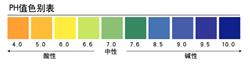
Requirements of pineapple for soil pH:
Pineapple has fairly broad adaptability to soil, but neutral or alkaline soil, clayey or structureless silty sand soil are unsuitable; a pH of 5-6 is required. The pineapple plant is short and suffers relatively little wind damage, but strong winds of force 6 or above can also cause damage.
Requirements of pineapple for temperature:
Temperature is the most important ecological factor affecting the growth, development, yield and quality of pineapple. Pineapple can grow at 15-40°C, with 28-32°C being the most suitable; at 10°C growth is slow or stops, and sustained temperatures below 5°C cause cold damage; it can survive 1-2 days at 1-2°C, but longer exposure causes serious damage.
Different pineapple varieties respond differently to temperature for flowering. When the daily average temperature is around 13°C, flowering does not occur; flowering begins only at 16°C. Drought and intense heat can also inhibit flowering or cause incomplete flowering.
The length of the fruit ripening period and the quality of the fruit are also closely related to temperature. For each 1°C increase in the average temperature from flower bud emergence to maturity, the ripening period is reduced by about 5-8 days. If the temperature is high, sunlight is strong and moisture is sufficient, the ripening period is short and the quality is good. Therefore, summer and autumn fruits generally have a shorter ripening period than winter and spring fruits, and they also taste better.
Requirements of pineapple for water:
Pineapple is a relatively drought-tolerant crop. According to research, the daily evapotranspiration of pineapple is about 4.5 mm. Even if the soil initially has a relatively high water content, as long as there is no rainfall for 3-4 weeks, the water in the soil can be depleted. Therefore, during the growth and development of pineapple, attention should be paid to an appropriate supply of water to ensure its normal growth and development.
However, pineapple is a shallow-rooted crop that likes well-aerated soil. Too much water and excessively high soil moisture will cause poor soil aeration, hinder the absorption and utilization of nutrients, and in severe cases cause the root mass to rot and die.
Areas with annual rainfall of more than 1000-1500 mm and a relatively even distribution of rainfall over time (monthly rainfall of 100 mm) are more suitable for pineapple growth. A groundwater level of 30-50 cm is favorable for root growth.
A short drought in autumn and winter is favorable for flower bud differentiation and enhances the cold resistance of the plant, but excessive drought will make the plant become yellow and withered, the fruit stalk dry up, and the fruit core crack; it will also lead to early ripening, small fruit, fruit that is not plump, pale flesh, low water content and poor flavor, and induce wilt disease, which can reduce yield by about 20%. If there is a long period of low-temperature drought in winter and spring, it will reduce the cold resistance of the plant, be unfavorable for flower bud differentiation, cause poor flower bud development, and even halt development. Therefore, when the monthly rainfall is less than 50 mm, irrigation is needed to supplement water.
Click to get more pineapple growing techniques
Click to get more fruit growing techniques