How to control black-skinned chewing cane mosaic virus disease?
What harm does black-skinned chewing cane mosaic disease cause? How to control black-skinned chewing cane mosaic virus? We also ask knowledgeable netizens to help explain. Zhongdiwang has compiled the harm and control methods of black-skinned chewing cane mosaic virus, listed in detail below for netizens' reference. The harm of black-skinned chewing cane mosaic virus: black-skinned...
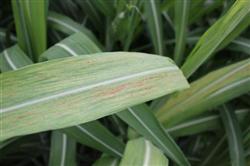 What harm does black-skinned chewing cane mosaic disease cause? How to control black-skinned chewing cane mosaic virus? We also ask knowledgeable netizens to help explain
Zhongdiwang has compiled the harm and control methods of black-skinned chewing cane mosaic virus, listed in detail below for netizens' reference.
The harm of black-skinned chewing cane mosaic virus:
Black-skinned chewing cane mosaic virus disease occurs early, strikes fiercely, and causes severe damage. Many black-skinned chewing cane seedlings show yellowing with alternating green and yellow leaves, new roots shrink, and the plants gradually die, produce no new leaves, and develop slowly. If control is not carried out in time, it will spread rapidly and worsen the damage, making stem nodes thin and elongated, and the cane skin mottled, ultimately forming "mottled-skin cane," which loses its edible value and commercial value. Therefore, control of mosaic virus disease must be carried out promptly to protect black-skinned chewing cane seedlings.
Control methods for black-skinned chewing cane mosaic virus:
Method One,Spray the black-skinned chewing cane leaves 2~3 times with a mixture of 1500-fold plant virus vaccine, 1500-fold natural brassin, and 4000-fold Jinjisuiguan (30% difenoconazole · propiconazole), spraying once every 10~15 days, evenly wetting all leaves, until water droplets begin to drip down.
Method Two,Drench the roots of black-skinned chewing cane 2~3 times with a mixture of 300-fold zinc sulfate, 1500-fold 35% endosulfan, 300-fold magnesium sulfate, and 300-fold potassium nitrate, applying once every 10~15 days, with 2~3 kg per hole each time.
Following the above methods can inhibit and weaken the virus activity in black-skinned chewing cane seedlings, kill the virus, eliminate the aphids and thrips that spread the viral disease, control the onset of disease in black-skinned chewing cane seedlings, and accelerate the recovery of diseased plants to normal growth, turning yellowed leaves dark green, with strong stems and thick leaves, well-developed root systems, vigorous growth, and robust plants that smoothly enter the jointing and elongation stage.
Click to get more sugarcane planting techniques
Click to get more fruit planting techniques