Correct methods and steps for bagging kiwifruit
How do you bag kiwifruit? What should you pay attention to? We ask knowledgeable readers to help explain. Bagging kiwifruit can reduce sunburn and leaf rubbing, prevent pests, diseases and contamination of the fruit surface, improve the appearance quality of the fruit, and ensure the safe production of kiwifruit. Zhongdi Network has compiled the bagging operation methods for kiwifruit, to...
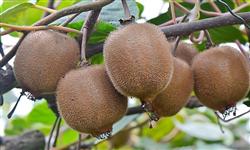 How do you bag kiwifruit? What should you pay attention to? We ask knowledgeable readers to help explain
Bagging kiwifruit can reduce sunburn and leaf rubbing, prevent pests, diseases and contamination of the fruit surface, improve the appearance quality of the fruit, and ensure the safe production of kiwifruit. Zhongdi Network has compiled the bagging operation methods for kiwifruit, listed in detail below for readers' reference.
I. Preparation before bagging kiwifruit:
Before bagging kiwifruit, first thin out deformed fruit, flat fruit, small fruit and fruit damaged by pests or diseases, and keep young fruit with thick, sturdy stalks and good development. In a mature orchard, leave about 40 fruit per sq m of trellis surface. Once the young fruit are selected, carefully remove any debris attached to them. For orchard irrigation, use small furrow irrigation; generally irrigate appropriately before bagging so that the soil moisture content is maintained at about 70% of field capacity.
Before bagging, spray the kiwifruit once with a fungicide; the interval between spraying and bagging should not exceed 3 days, and it is best to spray and bag on the same day. Low-toxicity, low-residue agents such as 80% mancozeb wettable powder at 800 times dilution can be used. Do not use emulsifiable concentrates, as they easily leave spots on the fruit surface. Bagging can be done once the spray liquid has dried.
II. Bagging operation methods for kiwifruit
1. Choice of bags:The fruit bags required for kiwifruit bagging are yellow single-layer wood pulp paper bags with strong light-blocking ability, good air permeability, low water absorption, strong tensile strength and soft paper quality. The bottom of the fruit bag should have two ventilation holes, or the bottom should be left unsealed. The usual specification is 165 mm x 115 mm.
2. Best time for bagging kiwifruit:Bagging kiwifruit should begin about 30 days after petal fall, and be completed within 10 to 15 days. Bagging should be done after the morning dew has dried, or after the spray liquid has dried. On sunny days, the suitable times are generally 9:00-11:30 am and 4:00-6:30 pm. Do not bag immediately after rain either. Bagging too early easily damages the fruit stalk and skin and is not good for young fruit development; bagging too late leaves the fruit surface rough, affects the bagging effect, and the lignified fruit stalk makes the operation inconvenient.
3. Bagging operation methods for kiwifruit:The night before bagging, place the paper bags in a damp place to soften them, which helps to tie the bag opening tightly.
FirstHold the paper bag with your left hand, open the bag opening with your right hand so that the bag body puffs out, and make the ventilation and drainage holes at the two bottom corners of the bag open;
NextWith the bag opening facing upward, hold the bag opening with both hands 2-3 cm from the lower edge, put the young fruit into the bag, and let the fruit stalk rest at the base of the slit in the middle of the bag opening;
FinallyFold the left and right sides of the bag opening horizontally toward the middle, and after they overlap, bend the tie wire at the bag opening into a "V" shape to clamp the opening, completing the bagging. When bagging, note that the force should be moderate, the direction should always be upward, avoid wrapping the tie wire around the fruit stalk, and tie the bag opening tightly.
The purpose of this operation is to keep the young fruit in the center of the bag body and suspended inside the bag, preventing the bag body from rubbing the fruit surface and avoiding rainwater leakage, pathogen invasion and the fruit bag being blown off by wind. If high-temperature weather occurs after bagging (air temperature above 38°C), open the bottom opening of the bag for ventilation to lower the temperature inside the bag.
III. Management after bagging kiwifruit:
1. Check the bags frequently: regularly inspect the growth of the bagged fruit, investigate and record fruit growth and pest and disease conditions, take corresponding measures promptly, and replace torn bags in time.
2. Irrigate promptly in drought: during long-term dry weather, the temperature inside the fruit bag is too high, which easily causes sunburn on the fruit, so irrigate in a balanced and timely manner. In the rainy season, pay attention to drainage to prevent root rot.
3. Remove the bags at the right time before harvest: remove the fruit bags 7 days before harvest to improve the coloring of the fruit surface. If cloudy and rainy weather occurs, the bag removal can be postponed, and harvest can also be delayed, to avoid rainwater contaminating the fruit surface.
Click to get more kiwifruit growing techniques
Click to get more fruit growing techniques