How should walnut trees be managed to set more fruit?
How can walnut trees set more fruit? What methods can make walnut trees set more fruit? Experienced netizens are also asked to help explain. With the improvement of living standards, walnuts are becoming more and more popular, and walnuts are also the newest trendy item for handling and play, but the low fruit-setting rate of walnuts is the most headache-inducing thing for fruit growers. For this reason, Zhongdi Network has compiled...
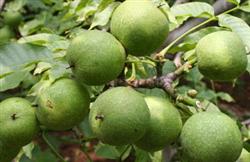 How can walnut trees set more fruit? What methods can make walnut trees set more fruit? Experienced netizens are also asked to help explain.
With the improvement of living standards, walnuts are becoming more and more popular, and walnuts are also the newest trendy item for handling and play, but the low fruit-setting rate of walnuts is the most headache-inducing thing for fruit growers. For this reason, Zhongdi Network has compiled three methods that can increase the fruit-setting rate of walnut trees, listed below for netizens' reference.
Method 1. Improve through fertilization methods:
It is advisable to apply farmyard manure mixed with nitrogen-phosphorus-potassium compound fertilizer. Fertilize 2 times each year. Fertilization principles: deep rather than shallow, far rather than near, appropriate amount but not excessive. Each fertilization amount can be determined according to the soil quality and the tree body. Before fruiting, apply high-nitrogen compound fertilizer; after fruiting, apply potassium sulfate type compound fertilizer.
Method 2. Improve through management during the flowering and fruiting period:
1. Artificial supplementary pollination method:Artificial supplementary pollination can increase the fruit-setting rate of walnuts by 10%-30%. When the stigma of the female flower cracks into an inverted "" shape and the stigma secretes a large amount of mucus, carry out artificial supplementary pollination at 9-10 a.m., and the effect is relatively ideal.
2. Male flower thinning method:The development of male and female flowers will consume a large amount of nutrients and water stored in the tree body. Especially during the rapid growth of male inflorescences and the mass opening of female flowers, the amount of water in the tree body will become a limiting factor for the growth and development of female flowers. Thinning excessive male flowers can reduce the consumption of nutrients and water in the tree body, so that more nutrients and water are supplied to female flower development and flowering and fruit setting, thereby increasing yield and quality, and it is also beneficial to new shoot growth and enhancing tree vigor. The earlier the male flowers are thinned, the better, and the earlier the thinning, the more obvious the yield-increasing effect.
Thinning during the dormant period to the swelling period of male flower buds gives a better effect; waiting until the male inflorescences have obviously elongated before thinning gives a poorer effect. As for the number of male flowers to thin, it should be determined according to the number of male flower buds and the ratio of mixed buds to female flower buds. It is advisable to thin male flowers so that the ratio of male flowers to female flowers is 30:1 to 60:1. For plants with more mixed buds and fewer or very few male flower buds, male flowers should be thinned less or not at all. Method of thinning male flowers: in combination with pruning, use a hooked wooden pole, pull the branches down and remove the male flowers by hand.
Method 3: Improve by pruning and spraying:
1. In June, use a blade to make vertical cuts in the bark on the main trunk of a vigorous tree. For a main trunk diameter of 5 cm, make two vertical cuts; for a main trunk diameter exceeding 5 cm, handle as appropriate. The cut bark area should be more than 30 cm above the ground to avoid mud splashed up after rain contaminating the wound, but do not make ring-shaped cuts in the bark.
2. From the end of June to the beginning of July, spray a 200-300 times dilution of paclobutrazol once every 10 days, for 2-3 consecutive sprays.
Control methods for walnut anthracnose
Pruning methods for walnut trees