What are the pruning methods for cherry trees? A detailed guide
What pruning methods are there for cherry trees? When is the best time to prune cherry trees? We ask experienced gardeners to share their advice. Generally, the best time to prune cherry trees during the dormant period is close to bud break, because pruning cherry trees too early easily causes wounds to lose water, leading to branch dieback, and it also easily causes gummosis. In cherry...
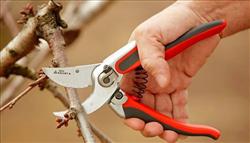 What pruning methods are there for cherry trees? When is the best time to prune cherry trees? We ask experienced gardeners to share their advice.
Generally, the best time to prune cherry trees during the dormant period is close to bud break, because pruning cherry trees too early easily causes wounds to lose water, leading to branch dieback, and it also easily causes gummosis. Pruning after the cherry tree buds break allows wounds to heal quickly. Based on the above, pruning of open-field cherry trees should be carried out when the buds begin to swell, while cherry trees in protected cultivation can be pruned when warming begins. At the same time, Zhongdiwang has compiled the pruning methods for cherry trees, listed in detail below for gardeners' reference.
Pruning method one, the heading-back pruning method for cherry trees:
1. Light heading-back method:This means cutting off 1/5 to 1/4 of the cherry branch; light heading-back weakens the apical dominance of the branch, helps increase the bud break rate, increases the number of short branches, and forms more bouquet fruiting branches.
Therefore, lightly heading back horizontal and slanting branches on young trees can increase the number of short branches and help the trees bear fruit earlier.
2. Medium heading-back method:Cut off 1/3 to 1/2 of the cherry branch; during the training and pruning of cherry trees, medium heading-back is usually applied to scaffold branches and to outward-growing vegetative branches that have room to grow, generally stimulating 3 to 5 medium to long branches, which helps expand the canopy.
3. Heavy heading-back method:Cut off 2/3 of the cherry branch; this method is mostly used to balance the tree vigor of young trees. For example, applying heavy heading-back to a vigorous one-year-old shoot can reduce the growth vigor of the vigorous branch. It can also be used to develop fruiting branch groups; for example, first heavily head back a branch on the upper side of a scaffold branch to lower the position where new shoots emerge, then the following year leave the shoots that emerge unpruned to develop them into a fruiting branch group.
4. Extremely heavy heading-back method:Leave only 4 to 5 buds at the base of the cherry tree and cut back. This method is mostly used to control competing branches and excessively vigorous branches. When there are axillary flower buds at the base of a branch that is to be removed, you can first apply extremely heavy heading-back to keep the flower buds at the base, and remove the branch after it has fruited.
Pruning method two, the thinning method for cherry trees:
Thinning mainly removes overly dense, crossing and overlapping branches of cherry trees, which can reduce nutrient consumption and improve light conditions. However, for cherries grown under protected cultivation, thinning during the dormant period should not be excessive; the main adjustment of tree form should be done after fruit harvest. Also protect the wounds well; you can smear the wounds with lead paint to prevent gummosis or cracking.
Pruning method three, the renewal pruning method for cherry trees:
Renewal pruning reduces the fruiting positions, saves nutrients and enhances growth vigor, and is mostly used to renew and rejuvenate fruiting branch groups. For example, cut a drooping branch group back to an upper branch, and cut a weak branch group back to a strong branch.
For cherry trees in full fruit period, new shoot growth vigor weakens, some branches droop, and bare areas appear in the middle and lower parts of the canopy. To improve light, reduce the number of small branches on large branches, and concentrate nutrients and water supply to the remaining branches, renewal pruning can renew and rejuvenate fruiting branch groups. After a large branch is cut back, several shoots generally sprout at the cut site; choose one with strong growth and a suitable direction to keep as a renewal branch, and adjust its angle in time. Remove the excess shoots to promote the growth of the renewal branch.
Pruning method four, the unpruned branch-leaving method for cherry trees:
Leaving one-year-old branches unpruned is called leaving them unpruned. Under normal circumstances, the growth vigor of unpruned branches decreases year by year, medium and long branches decrease, and short branches and bouquet fruiting branches increase, which is favorable for fruiting.
However, vigorous branches, especially upright vigorous branches, should not be left unpruned. Even if left unpruned, they must be bent down first before being left unpruned. For young sweet cherry trees and trees bearing fruit for the first time, some moderately growing horizontal and slanting branches can be left unpruned to promote more bouquet fruiting branches and bear fruit earlier.
Cherry tree planting video
How many years until a cherry tree bears fruit