How to plant and manage wampee trees? Master these technical key points
How to plant and manage wampee trees? What should be noted when planting wampee trees? Experienced netizens are asked to help explain. Wampee is one of the fruits of southern China. Besides being eaten fresh, it can also be salted or candied into preserved fruit. It has the effects of aiding digestion, regulating qi, and relieving summer heat. The roots, leaves and fruit stones (i.e. seeds) have the effects of promoting qi flow, relieving stagnation, releasing the exterior, and dispersing...
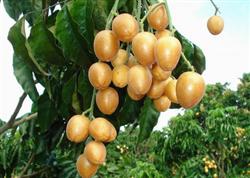 How to plant and manage wampee trees? What should be noted when planting wampee trees? Experienced netizens are asked to help explain
Wampee is one of the fruits of southern China. Besides being eaten fresh, it can also be salted or candied into preserved fruit. It has the effects of aiding digestion, regulating qi, and relieving summer heat. The roots, leaves and fruit stones (i.e. seeds) have the effects of promoting qi flow, relieving stagnation, releasing the exterior, dispersing heat, relieving pain, and resolving phlegm. It can be said that the whole wampee tree is a treasure, so Zhongdiwang has compiled the planting methods and management methods of wampee trees, listed in detail below for netizens' reference.
Planting step one, selection of wampee varieties:The main cultivated varieties at present are Chicken-heart wampee, selected large Chicken-heart wampee, etc.
Planting step two, requirements for the wampee tree environment:
1. Temperature requirements: Areas with an annual average temperature above 20°C and an average January temperature above 12°C are most suitable. Below 0°C, adult trees will suffer freeze damage, and young trees also have poor cold tolerance.
2. Water requirements: Wampee is an evergreen fruit tree year-round and needs a humid environment and sufficient water. It grows well in areas with annual rainfall above 1500 mm that is evenly distributed. Excessive water or overly concentrated rainfall is unfavorable to the growth, development, flowering and fruiting of wampee.
3. Light requirements: With sufficient light, branches and leaves inside the canopy can absorb scattered light for photosynthesis, expand the photosynthetic area, enhance nutrient accumulation in the tree, expand the fruiting area, and improve fruit quality and yield; insufficient light affects the plant's photosynthesis and nutrient accumulation, which is unfavorable to plant growth and development.
4. Soil requirements: Wampee has low soil requirements. Both clay loam and sandy loam can be used for planting, but different soils have different effects on the lifespan and yield of wampee plants. When planted in well-drained, fertile sandy loam with deep soil layers, the tree is vigorous, has a long lifespan, and produces high and stable yields; when wampee is planted in poor, poorly drained, water-accumulating heavy clay soil, the wampee tree has a short lifespan and low yield.
Planting step three, planting of wampee trees:
1. Planting time for wampee trees: generally from March to May. At this time there is more rain and temperatures rise, making it easy to take root, and the plant survival rate is high. When transplanting bagged seedlings, the root system is less affected. In orchards with irrigation conditions, planting can be done in spring, summer, autumn or winter.
2. Planting density of wampee trees: generally 50-80 plants per mu; spacing between plants and rows can be 3 m x 4 m or 2.5 m x 3.5 m. For planned close planting, about 110 plants per mu, with spacing of 2 m x 3 m. Dig holes 1 m long and 1 m wide and 0.8 m deep, bury and apply 50 kg of green manure, 50 kg of farmyard manure, 500 g of lime, and 500 g of phosphate fertilizer in each hole, and backfill with topsoil about 20 cm above the ground.
3. Precautions for planting wampee trees: When planting, the roots of wampee seedlings should avoid contact with fertilizer. The seedlings should remain upright, with the root system spreading naturally in all directions, and the depth should be such that fine soil covers the seedling up to the root crown.
Wampee tree management - management of young wampee trees:
1. Fertilizing and watering:
Fertilization method for young trees: Young trees have not yet developed a root system, are relatively shallowly distributed, and have weak absorption capacity. Fertilization should follow the principle of frequent application and light application, mainly nitrogen fertilizer, combined with phosphorus fertilizer, potassium fertilizer, calcium fertilizer, magnesium fertilizer, foliar micronutrient fertilizer, etc. Fertilization can begin 1 month after planting and survival, and thereafter before each new shoot sprouts and after the new shoots turn green. In addition, organic fertilizer should be deeply applied every winter.
Watering method for young trees: Young trees grow vigorously and have shallow and few roots, making them easily affected by changes in soil moisture. Soil moisture management should be strengthened: irrigate during drought and drain during waterlogging, keeping the soil moist to facilitate normal plant growth.
2. Pruning of young trees:
After wampee seedlings are planted and survive, pinch or cut back the main trunk at a height of 40-50 cm to establish the trunk and promote sprouting of buds below the cut. After the main branches mature, pinch or cut back at 15-20 cm to promote sprouting of buds below the cut, then select and retain 2-3 robust, reasonably distributed branches on each main branch to cultivate as secondary main branches, and use the same method to cultivate tertiary branches and quaternary branches.
4. Interplanting in wampee trees:
Generally, young wampee orchards can, without affecting wampee growth, use the inter-row space to interplant leguminous crops such as peanuts and soybeans, or vegetables, to help retain soil moisture and prevent heat.
Management of wampee trees - management of fruiting wampee trees:
1. Fertilization of fruiting wampee trees:
1. After fruit harvesting, the fertilizer amount is relatively large. The specific amount depends on the age of the fruiting tree, fruiting amount and soil conditions. For water fertilizer, use a 10-fold dilution of decomposed bran water, apply 15 kg per plant, and open shallow furrows near the drip line around the canopy to drench, or directly drench on the tree plate. If applying dry fertilizer, choose a three-element compound fertilizer (nitrogen, phosphorus, potassium ratio of 15:15:15) at 200-300 g per plant or apply 200 g of urea.
2. After the autumn shoots of the fruit tree sprout, the purpose is to promote the maturation of autumn shoots and promptly promote a second batch of autumn shoots, cultivating fruiting mother branches. Apply a three-element compound fertilizer (nitrogen, phosphorus, potassium ratio of 15:15:15) at 200-300 g per plant.
3. Around Great Cold, the purpose is to promote flower bud differentiation and benefit the development of floral organs and fruiting branches. Apply 10 kg of poultry and livestock manure, 500 g of bran cake, 10 kg of mushroom residue, 15 kg of grass material, and 250 g of lime per plant, burying them in the hole layer by layer with fertilizer and soil, then backfilling with topsoil.
4. After the full bloom stage, the purpose is to promptly supplement nutrients heavily consumed by flowering, promote flowering and strengthen fruit, and keep the leaves emerald green. Apply 150-200 g of compound fertilizer per plant.
5. During the fruit expansion stage, that is, after physiological fruit drop. The purpose is to promote fruit expansion, normal fruit development, and increase yield. Apply 150-200 g of compound fertilizer per plant.
2. Pruning of fruiting wampee trees:
1. Winter pruning: carried out together with winter orchard cleaning, mainly cutting off dead branches, diseased and pest-infested branches, shaded branches, and weak branches, ensuring ventilation and light penetration in the tree, reducing pests and diseases and unnecessary nutrient consumption the following year, facilitating photosynthesis, promoting autumn shoot growth and flower bud differentiation, and laying the foundation for a bumper harvest the following year.
2. Growing-season pruning: together with fruit harvesting or promptly after harvest, retract or cut back fruiting mother branches to promote autumn shoots and cultivate robust fruiting mother branches.
3. Cultivating robust fruiting mother branches: apply fertilizer well before and after fruiting, and timely topdress and supplement fertilizer during the autumn shoot growth and development period to promote timely and thick sprouting of fruiting mother branches. When autumn shoots sprout and grow, strengthen inspection of pest occurrence, and immediately apply pesticide to kill pests when found, lowering pest population density and reducing pest occurrence.
3. Methods for flower thinning, fruit thinning and fruit retention of wampee trees:
1. Wampee flower thinning method:
Wampee flower clusters are large with many small flowers, reaching more than a thousand per cluster, and the flowering period is long. Especially for young trees, the flowering period of flowers in the same cluster can last 15-20 days, with a fruit-setting rate of 3-6%, and about 10% at the higher end. Because the flowering period is long, it not only causes fruit drop but also leads to uneven fruit size and maturity within the same cluster. In order to reduce nutrient consumption in the tree and make the flowering and maturity periods within the same cluster more consistent, methods such as appropriate flower thinning or cutting back flower clusters can be used. That is, after the flower cluster blooms and before full bloom, cut off about 1/3 of the total from the top flower cluster. If the flower cluster has small leaves, remove the small leaves at the same time.
2. Wampee fruit thinning method:
Wampee fruit thinning can increase fruit size and make fruit size and maturity more consistent. Fruit thinning can be carried out after physiological fruit drop, generally removing deformed fruit, diseased and pest-infested fruit, and small fruit, then, according to plant growth and nutritional level and fruit load, thinning densely set fruit.
3. Wampee fruit retention method:
From the fruit expansion stage to the maturity stage of wampee, attention should be paid to preventing pests, diseases and fruit cracking. During the fruit development period, drench and spray water during drought and drain during waterlogging, keeping the environment and soil moist. Pay attention to inspecting and controlling pests and diseases that harm the fruit. Do not apply pesticide within one month before harvest. If pests or diseases occur, promptly remove diseased and pest-infested fruit to reduce the spread of pests and diseases.
Pest and disease control methods for wampee trees:
1. Wampee anthracnose:
Wampee anthracnose is a common disease in production. It can infect at all growth stages and easily causes leaf spots, leaf rot, bare branches, flower rot, and fruit rot. If wampee is interplanted with other crops and the planting density is high, while drainage is inadequate and water accumulates after rain, it will affect wampee yield and quality. Control methods: use fertilizer and water scientifically, strengthen tree vigor, pay attention to timely drainage after rain, improve plant disease resistance, and prevent pathogen infection. Keep the orchard clean, promptly prune diseased branches and diseased leaves, and dispose of rotten fruit to reduce overwintering sources of disease. Apply pesticide in time to protect new shoots and young fruit. At the early stage of new shoot sprouting and at the fruit-setting stage after flower drop, pesticide should be applied in time. Pesticides can be selected from 70% thiophanate-methyl wettable powder 800-1000 times dilution, or 50% Tuzet 500-600 times dilution, or 75% chlorothalonil 700-1000 times dilution, or 50% carbendazim wettable powder 500 times dilution.
2. Wampee sooty mold:
It mainly harms leaves, and also harms tender shoots and fruit, causing photosynthesis to be blocked, leading to weakened tree vigor, affecting yield and fruit quality. Control methods: do a good job in controlling aphids and scale insects, reduce insect sources, strengthen inspection, and apply pesticide in time for control at the early stage of disease onset. Pesticides can use sulfur suspension concentrate 300 times dilution, or 40% Miebingwei 500 times dilution, or 30% copper oxychloride suspension 600 times dilution.
3. White moth planthopper:
Prune insect-infested branches at the appropriate time and burn them in a centralized manner. Grasp the early nymph hatching period, and carry out pesticide control before they concentrate to cause damage and disperse. Pesticides can be selected from 80% dichlorvos 800 times dilution, or 10% Miebike 2000 times dilution, or 40% dimethoate 1000 times dilution.
Management methods for wampee trees after flowering
Management methods for young wampee trees