What varieties of wampee are there, and which regions are suitable for growing them?
What varieties of wampee are there? Where is wampee suitable for growing? We ask knowledgeable netizens to help introduce it. Wampee is native to the tropical and subtropical regions of southern China, mainly distributed across the southern provinces of China, and is one of the fruits with southern characteristics. At present, the main wampee varieties cultivated in China are: chicken-heart wampee, sweet wampee, seedless wampee...
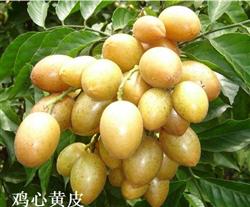 What varieties of wampee are there? Where is wampee suitable for growing? We ask knowledgeable netizens to help introduce it
Wampee is native to the tropical and subtropical regions of southern China, mainly distributed across the southern provinces of China, and is one of the fruits with southern characteristics. At present, the main wampee varieties cultivated in China are: chicken-heart wampee, sweet wampee, seedless wampee, etc.
Zhongdi Network has compiled the requirements of wampee for its growing environment, and the following is listed in detail for netizens' reference.
1. Growing temperature of wampee:
Regions with an annual average temperature above 20°C and an average January temperature above 12°C are the most suitable; when the temperature falls below 0°C, adult trees will suffer freeze damage, and young trees also have poor cold tolerance.
2. Water requirements for wampee growth:
Because wampee is an evergreen fruit tree year-round, it needs a humid environment and sufficient water. It grows well in areas with annual rainfall above 1500 mm that is evenly distributed. Excessive water or rainfall that is too concentrated is unfavorable to the growth, development, flowering and fruiting of wampee.
3. Light requirements for wampee growth:
With sufficient light, the branches and leaves inside the canopy can absorb scattered light for photosynthesis, expand the photosynthetic area, enhance the accumulation of nutrients in the tree, expand the fruiting area, and improve fruit quality and yield; insufficient light affects the plant's photosynthesis and nutrient accumulation, which is unfavorable to plant growth and development.
4. Soil requirements for wampee growth:
Wampee has low requirements for soil; both clay loam and sandy loam can be used for planting, but different soils will have different effects on the lifespan and yield of wampee plants. When planted on sandy loam with good drainage, fertile soil and a deep soil layer, the tree is vigorous, has a long lifespan, and produces high and stable yields; when wampee is planted on poor, heavy clay soil with poor drainage and irrigation and water accumulation, the wampee tree has a short lifespan and low yield.
Wampee tree management methods
Management methods for wampee trees during the flowering period