What damage do thrips do to navel oranges? Fruit growers must be on alert
What damage do thrips do to navel oranges? How can navel oranges be protected against thrips? We also ask experienced readers to help explain. Thrips are tiny insects, generally only about 1mm long, hard to spot with the naked eye, and they require a magnifying glass of more than 10x to be seen clearly; the main pest of citrus is the citrus thrips, which has a considerable...
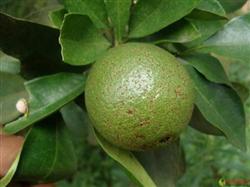 What damage do thrips do to navel oranges? How can navel oranges be protected against thrips? We also ask experienced readers to help explain
Thrips are tiny insects, generally only about 1mm long, hard to spot with the naked eye, and they require a magnifying glass of more than 10x to be seen clearly; the main pest of citrus is the citrus thrips, which has a considerable impact on navel orange production. Therefore Zhongdiwang has compiled the damage caused by thrips to navel oranges and the control methods, listed in detail below for readers' reference.
Damage caused by thrips to navel oranges:
Thrips mainly damage the young leaves and young fruit of navel oranges as nymphs and adults. After navel orange leaves are damaged, they become deformed and curled, with weak growth vigor, and are easily confused with damage by the broad mite (Polyphagotarsonemus latus). When young navel orange fruit is damaged, the oil cells in the skin rupture, gradually losing water and shriveling, and the scars expand as the fruit grows, showing corky silvery-white marks of various shapes. Damaged fruit is normal in size, and quality is basically unaffected, so storage is not affected, but the fruit's appearance is affected, reducing its commercial value. Damage is most severe from petal fall to the end of the second physiological fruit drop.
Besides citrus, thrips also damage many other fruit trees such as apple, grape, loquat, persimmon, plum and Japanese apricot. Because thrips are small and easily overlooked, and because their damage symptoms are easily confused with damage by the citrus rust mite, the broad mite, and the friction injuries caused by wind-blown fruit rubbing against branch thorns, they often fail to attract attention.
The living habits of thrips:
The first generation of adult thrips peaks from May to June, and the second generation of adults peaks from July to August. After September, the population gradually declines. Adult thrips lay eggs in the epidermis of the host's young tender tissue; the egg stage lasts 6 to 7 days, and the newly hatched nymphs immediately begin rasping through the host epidermis and sucking the sap. By the second instar they crawl to bark, dead branches, weeds or soil to pupate. Adult thrips are extremely active and spread very quickly, but they fear sunlight, mostly causing damage in shaded places during the day and on leaf surfaces at night or on cloudy days. Generally, clear and dry weather leads to severe damage; heavy rain can reduce the pest population density, and a hot, humid environment is unfavorable for their occurrence.
Control of thrips:
Step one: Before the beginning of spring, thoroughly clear dead branches, fallen leaves and weeds from the orchard and burn them in a centralized manner to eliminate overwintering eggs.
Step two: Do not plant peanuts, grapes or other such plants in or near the navel orange orchard, and in early spring and after autumn promptly control thrips on nearby crops such as tobacco and peanuts to eliminate the source of the pest.
Step three: Irrigate the navel orange trees at the proper time, especially watering promptly when early-spring drought occurs.
Step four: Strengthen inspection from petal fall to the young fruit stage of navel oranges; when about 20% of the fruit is found to have thrips or to be damaged, apply pesticide for control. If 5 days after application the pest situation is still relatively serious, spray once more.
Pay attention to spot treatment and rotating pesticides. You can use 20% fenpropathrin EC or 2.5% deltamethrin EC at 3000 times dilution, 50% malathion EC at 800 times dilution, 80% dichlorvos EC at 1000 times dilution, derris extract at 800 times dilution, or 20% fenvalerate EC at 2500 times dilution, etc.
Navel orange management methods
Where is China's hometown of navel oranges?