How to manage navel oranges in spring? Master these technical points
How to manage navel oranges in spring when growing them? Is there a difference between young trees and fruiting trees? We ask knowledgeable netizens to help explain. Spring is the stage when navel oranges sprout spring shoots, and it is also a period of the year when pests and diseases occur more frequently. Tree vigor growth, the degree of pest and disease control, yield level, and fruit quality are all related to the management during this period...
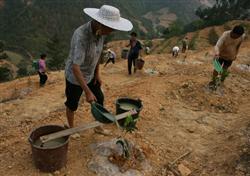 How to manage navel oranges in spring when growing them? Is there a difference between young trees and fruiting trees? We ask knowledgeable netizens to help explain
Spring is the stage when navel oranges sprout spring shoots, and it is also a period of the year when pests and diseases occur more frequently. Tree vigor growth, the degree of pest and disease control, yield level, and fruit quality are all very directly related to the management during this period. Therefore, Zhongdi Network has compiled the spring management methods for navel oranges, listed below for netizens' reference.
Spring planting time and density for navel oranges:
The optimal period for spring planting of navel oranges is from mid-February to early March. If using nutrition cup seedlings, transplant and plant them after the spring shoots mature. The normal planting density for navel oranges is 60-80 plants per mu. In the planting holes, besides applying green manure, farmyard manure and other base fertilizers, pay attention to applying calcium magnesium phosphate fertilizer in combination.
Spring management methods for young navel orange trees:
1. Pruning method: After the Start of Spring, do a good job shaping young navel orange trees, cultivate a high-yield tree shape and promote vigorous spring shoots. After the spring shoots sprout, remove the adventitious buds on the trunk.
2. Fertilization method: Before the new shoots of navel oranges sprout, apply 1-2 liang each of calcium magnesium phosphate fertilizer and urea per tree, and 0.2-0.3 liang of borax.
3. Intercropping method: Between the rows of young navel orange trees, intercrop summer green manures and leguminous crops such as cowpea, peanut, and soybean.
4. Flower bud removal method: If the new shoots of navel oranges have flower buds, all flower buds should be removed as early as possible.
Spring management methods for fruiting navel orange trees:
1. Before spring buds appear on navel oranges, cut back the peripheral extension branches, thin out weak branches and overly dense branches, and adjust water sprouts.
2. Before mid-February, apply spring bud fertilizer as a top dressing. Apply 3-5 liang each of calcium magnesium phosphate fertilizer and urea per tree, and 0.5-1 liang of borax, mixed with 1-2 dan of diluted manure water or biogas slurry. After the spring shoots stop growing, spray a mixture of 0.3% urea plus 0.2% monopotassium phosphate 1-2 times.
3. Properly thin and wipe out new shoots on fruiting navel orange trees, trying to make the new shoots distribute evenly and grow strong and vigorous.
4. For navel orange trees that bloom excessively, shake the flowers once every 2-3 days to remove some leafless flowers. Reduce nutrient consumption, improve flower quality, and increase the fruit-setting rate.
5. During the flowering period of navel oranges, spray once with 0.1% borax plus 0.3% urea plus 0.2% monopotassium phosphate.
6. When 2/3 of the navel orange flowers have fallen, spray once with 50 ppm gibberellin plus 0.3% urea, and spray again half a month later. During the young fruit stage, spray fruit-setting hormone plus urea.
6. During the flowering and young fruit stages of navel oranges, pay attention to irrigation during drought and drainage of accumulated water on rainy days.
Management methods for navel oranges
Control methods for navel orange diseases