What are the symptoms of potassium deficiency in grapes?
What do the symptoms of potassium deficiency in grapes look like? What causes potassium deficiency in grapes? How can potassium deficiency in grapes be prevented and controlled? We would also like netizens with grape-growing experience to help explain. Grapes are perennial vines, generally cultivated in greenhouses or on trellises, which means the vineyard soil cannot be plowed for long periods, causing the elemental...
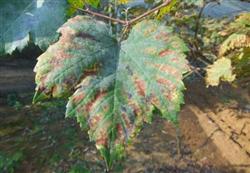 What do the symptoms of potassium deficiency in grapes look like? What causes potassium deficiency in grapes? How can potassium deficiency in grapes be prevented and controlled? We would also like netizens with grape-growing experience to help explain.
Grapes are perennial vines, generally cultivated in greenhouses or on trellises, which means the vineyard soil cannot be plowed for long periods, causing elements in the soil to accumulate or leach away, resulting in deficiency symptoms. Today Zhongdi Network has compiled the harm, causes and control methods of potassium deficiency symptoms in grapes, listed in detail below for netizens to reference.
Symptoms of potassium deficiency in grapes:
When grapes are deficient in potassium, the edges and veins of the old basal leaves lose their green color and turn yellow, developing into yellow-brown patches, and in severe cases the leaf edges become scorched; potassium-deficient grape plants are stunted, the canes develop poorly, are brittle and break easily, and disease resistance is reduced; the berries are small and few, sour in taste, and color poorly; the grape skins crack easily, the pedicels turn brown, ripening is uneven, and berries drop easily.
Causes of potassium deficiency in grapes:
Potassium participates in carbohydrate and nitrogen metabolism and protein synthesis; potassium deficiency in grapes generally appears during the vigorous growth period. When the soil available potassium content is below 40 mg/kg, potassium deficiency is severe. Potassium deficiency occurs in vineyard soils that are fine sandy, acidic, or low in organic matter.
Control methods for potassium deficiency in grapes:
Method 1: Apply more organic fertilizer or composted manure to the vineyard; relatively common ones include plant ash, decomposed plant straw and other farmyard manure, to improve soil structure and increase vineyard soil fertility.
Method 2: For mature grapevines, apply 0.5~1 kg of plant ash or 50 kg of 50% potassium sulfate per mu, applied in two applications; the first 20 days after the grapes flower, and the second before the grape berries harden their cores; the application method can be trench application or hole application. Click to get "The role of plant ash》
Method 3: Use foliar spraying, which can be done with 3% plant ash extract, 500 times 50% potassium sulfate solution, 0.2%~0.3% potassium dihydrogen phosphate solution or 0.2%~0.3% potassium chloride solution.Click to get"The role of potassium dihydrogen phosphate"
Control methods for magnesium deficiency symptoms in grapes
Control methods for calcium deficiency symptoms in grapes