Seven secrets to composting with everyday waste: you can make fertile soil right in your yard
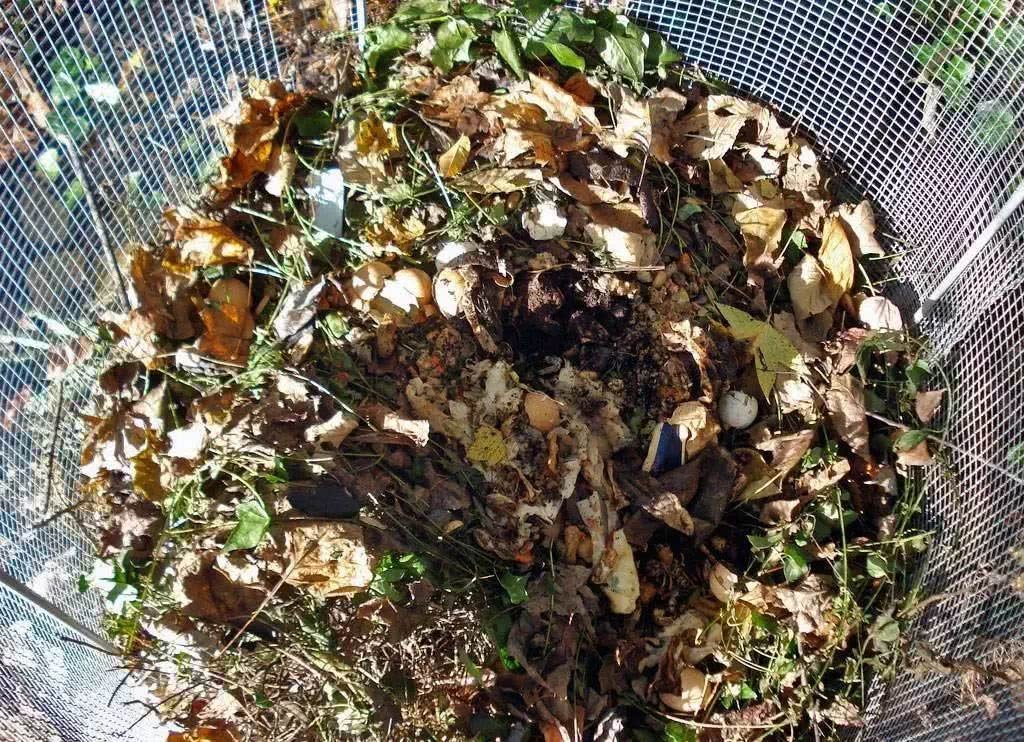
When making compost, what is the most common trouble for gardeners? One is that it easily attracts bugs, and the other is that the smell is very unpleasant. Solving these two problems is simple: using a compost bin to keep things covered will prevent bugs, and by not tossing in materials carelessly when composting, you can avoid bad odors.
To make fertile, loose, well-textured soil yourself in your yard, you need to master the seven secrets below.
Point one: Understand the components of compost
When making compost, if you want the compost to be more perfect, you need two main components. The finished compost soil will contain a great deal of carbon and nitrogen. The materials that provide carbon are called brown materials, because they are generally made up of things like dry leaves, dry hay, wood shavings, cardboard and dry straw.
Materials rich in nitrogen include the common green materials, such as fresh leaves, fresh hay, vegetable leaves and fruit peels. The animal manure we usually see is also very rich in nitrogen.
When making compost, you can lay a layer of small twigs or some straw at the bottom. This forms a drainage layer, prevents the compost materials from becoming waterlogged, and keeps things airy.
Point two: Create a balance of carbon and nitrogen
When making compost, you need to keep the carbon materials and nitrogen materials interacting with each other, so they do not fall out of balance. When choosing materials for compost, you should also pay attention: after adding too many fallen leaves, you should also add some vegetable leaves and fruit peels appropriately, to avoid having too much carbon and too little nitrogen.
Point three: Adding compost materials
When making compost, how do you check whether the compost keeps a balance of carbon and nitrogen?
If there is too much nitrogen, the compost materials will become sticky and mushy. At this point you need to add some fallen leaves and dry hay to increase the carbon in the compost.
If there is too much carbon in the compost materials, then you need to add some vegetable leaves and fruit peels to increase the nitrogen.
Kitchen waste usually mainly contains nitrogen, such as the common vegetable leaves and fruit peels, while fallen leaves usually replenish carbon. Mixing these materials at a ratio of 1:4 is best.
Point four: Speed up the fermentation time
Be patient when composting. The compost needs to stay moist. You can put some earthworms under the compost materials, which can increase the speed of compost fermentation and help it break down faster.
If you want to reduce odors when composting, you can cover the top with some leaves, dry straw and grass clippings. As a cover layer, this can improve the look and reduce the smell.
When composting, add the materials layer by layer, with each layer about 7-10 cm thick.
When the compost is done, usually the material inside turns black first, while the material on the outside is hard to break down, so you need to stir it regularly.
Point five: Avoid excessive moisture or excessive dryness
To make perfect compost, you need to avoid water accumulating inside, so you do not necessarily need drainage holes. To keep bugs from getting in, you should nail a piece of mesh screen over the drainage holes.
When it rains, the top of the compost bin must be covered with a lid to prevent the soil from becoming waterlogged. If the compost materials are rather dry, you must add water in time to keep the compost slightly moist but not wet.
The compost should be placed somewhere that avoids excessive sun exposure or excessive rain.
Point six: The basics of composting
In my experience, success in composting mainly comes from adjusting the ratio of nitrogen to carbon inside, avoiding too much of any one material, and continuously building up experience. You do not need to read too many books, and you do not need a thermometer, all kinds of fancy compost bins, or various additives.
All you need to do is spend a bit more time experimenting, and when adding compost materials, pay attention to their amounts.
When making compost, stirring regularly has certain benefits: it lets you dig up the compost that has already formed at the bottom, so that all the materials in the compost bin break down and ferment faster, helping you get more perfect compost soil.
Point seven: Be patient
Some experienced old gardeners can make very good compost soil within a few weeks, and of course making liquid fertilizer is even faster.
But ordinary gardeners generally need three months to half a year or more to make fully decomposed and fermented compost. You need the compost materials inside to break down completely and turn into black soil; only then is the composting finished.
You must never use dairy products or meat products in compost materials, as this will affect the decomposition and fermentation of the compost, and it easily attracts bugs and produces a foul smell.