-

Latest High-Yield Planting Technique Tutorial for Over-Summer Radishes
Radishes are generally planted in autumn and marketed in winter, but in recent years over-summer cultivation has been relatively successful, and since the harvest period falls right in the 8-9 vegetable off-season, the returns are higher and the planting prospects are good. However, the high temperature and frequent rain in summer are unfavorable to radish growth, and the yield is lower than that of autumn cultivation, so
-
Detailed Explanation of Key Techniques for Summer Squash Cultivation Through the Summer
The so-called over-summering cultivation refers to a cultivation method in which sowing is done from the end of May to early July, and harvesting begins from early July to late August. Its models are divided into three major types: large cold sheds, insect-proof net-covered sheds, and open field. So, do you know the cultivation techniques for over-summering summer squash? 1. Over-summering summer squash
-
How to ensure fruit set and control pests and diseases in over-summer watermelon?
Summer is the time when watermelons set fruit and go to market, but excessively high temperatures often affect their fruit-setting rate. The higher the fruit-setting rate, the higher the growers' returns, so everyone is very concerned about this issue. So how do you ensure that over-summer watermelons set fruit? Which pests and diseases need to be controlled
-
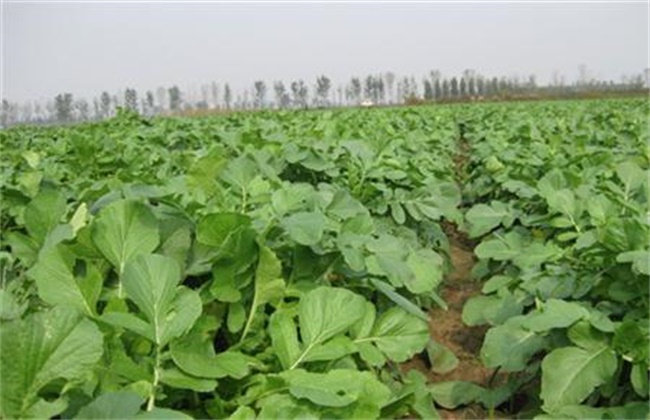
How to grow over-summer radishes for high yields? Detailed growing techniques
High-yield growing techniques for over-summer radishes
-
Key Technical Points for Over-summering Management of Spring Bag-cultivated Shiitake Mushrooms
After the color change of spring bag-cultivated shiitake mushrooms is completed in mid-June, the high-temperature season begins. Shiitake mycelium is intolerant of high temperatures and drought; when the temperature exceeds 35°C and persists for 4 hours, the mycelium begins to die, or even self-lyse. The following are the key technical points for ensuring that mushroom bags safely over-summer in production, for the reference of mushroom growers: 1. Cooling. Use shade, ventilation, sprinkling water on the ground, hanging clean wet burlap pieces and other methods to lower the temperature, so that the substrate temperature does not exceed 30°C. On sunny summer days, close doors and windows from 9 o'clock until sunset to prevent hot air from entering the room. 2. Shading. Thicken the shading
-
Key Technical Points for Over-summering Management of Semi-cooked Substrate Cultivation of Nameko Mushrooms
In the Dandong area, from mid-June each year, the weather shifts from dry and muggy to the continuous rain season, with persistent drizzle and no adequate sunlight for more than 10 days, high temperatures and high humidity, resembling "sauna" weather. From mid-July until the opening of the beds, there is again scorching sun, and the spawn bags in a high-temperature, high-humidity environment are highly prone to spawn degeneration or invasion by pests and diseases, causing the spawn beds (bags) to become soft and rotten after opening or after the first watering, resulting in varying degrees of economic loss for mushroom growers. Based on our cultivation practice in recent years, we have mastered a set of over-summering management methods. The key management points are introduced as follows:1
-
Introduction to the Over-Summer Hot Pepper Variety Baojiao No. 3
This variety is a mid-to-late maturing variety, with a medium-to-large plant shape and medium pungency. The fruit is about 20 cm long, about 3.5 cm in diameter, and weighs 60-80 g per fruit, with large fruits exceeding 90 g. The fruit color is dark green and glossy, the flesh is thick and firm, straight and not curved, and it is extremely tolerant of long-distance transport. Five days after harvest, the fruits do not soften, do not change color, do not deform, and remain as fresh as when first picked. Its fruiting capacity in the mid-to-late stage is especially strong, with a single plant able to bear about 80 large fruits at the same time, and at most more than 100. Moreover, there is no difference in fruit size among the early, middle and late stages. The average yield is 5000 kg
-
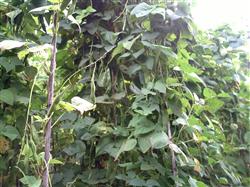
Three-dimensional cultivation techniques for summer maize, autumn kidney beans and over-summer garlic sprouts
Autumn kidney beans are a warm-loving vegetable that is not tolerant of high temperatures or frost; they are generally sown in early autumn and finish growing before frost. Their main supply season is in August and September, and the returns are quite considerable. The key points of the cultivation technique are as follows: 1. Variety selection. For autumn kidney beans, choose varieties that are heat-tolerant, disease-resistant, highly adaptable and have a high pod-setting rate, such as Lulong...
-
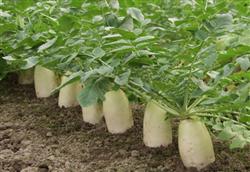
How can over-summer radishes be planted to achieve high yields?
How can over-summer radishes be planted to achieve high yields? Please provide guidance. Over-summer radish cultivation requires attention to the following aspects: select excellent varieties. In summer, because of high temperatures and frequent rain, conditions are unfavorable for radish growth, so the varieties cultivated must be selected for good heat tolerance, drought tolerance, strong resistance to pests and diseases, and the ability to form fleshy roots under high-temperature conditions...
-
Analysis of Common Physiological Diseases of Over-summering Vegetables
Analyzing common physiological diseases of over-summering vegetables
条件筛选