-

How to Grow Dudleya brittonii? Detailed Guide to Planting Methods and Care Essentials
A detailed introduction to the planting methods and care techniques of the succulent Dudleya brittonii, including how to grow Dudleya brittonii, soil mixing, light and watering, propagation methods, summer and winter care, pest and disease control, and other practical content.
-

Differences Between White Fittonia and Pilea and Which Is Easier to Grow
A trip to the flower market is bound to lift your spirits, simply because everywhere you look there are brightly colored plants and flowers, yet it can also leave you at a loss, because there are simply too many types of flowers to choose from that you might like, and every kind of flower has both expensive versions and affordable substitutes, especially the white fittonia (Fittonia) and pilea (Pilea), which look extremely similar, leaving people unsure
-
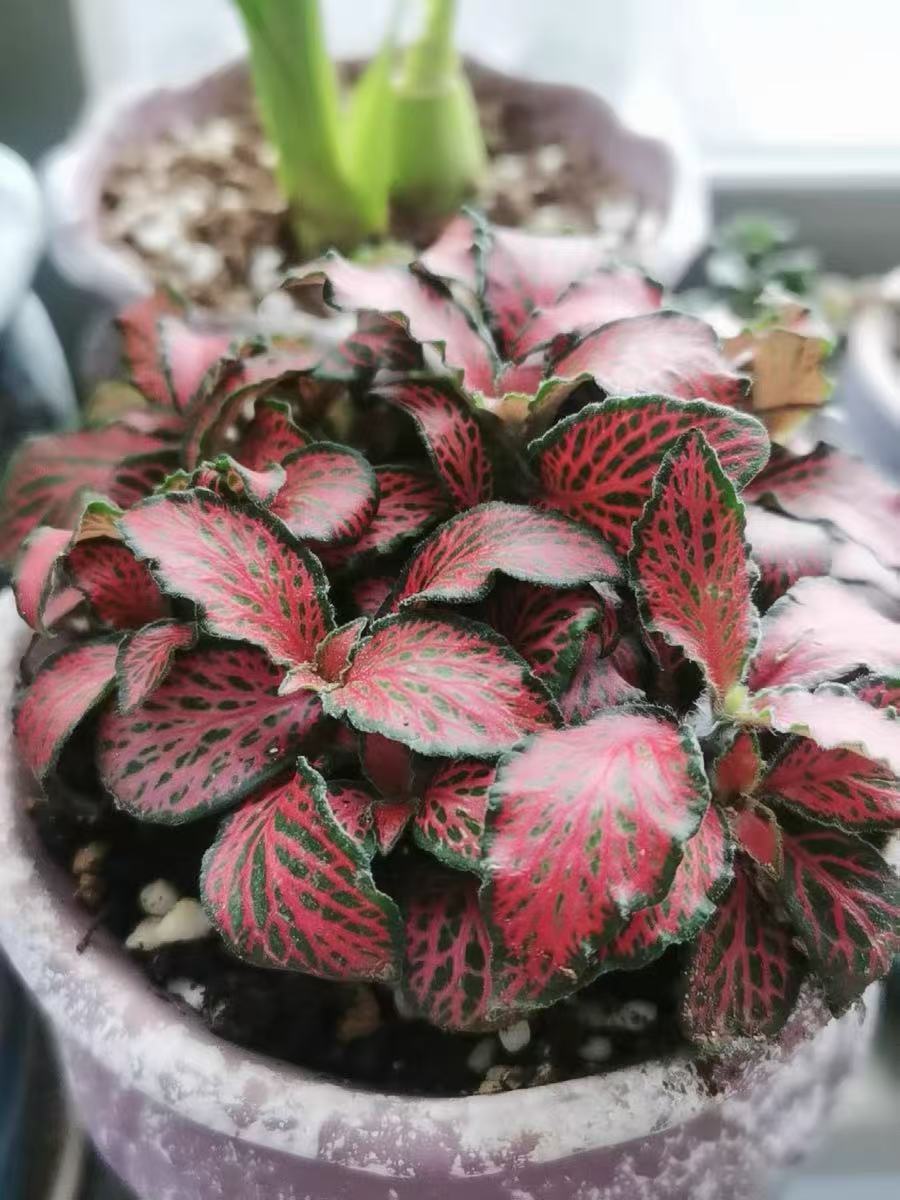
What's the matter with the shriveling and wilting of Fittonia verschaffeltii?
Fittonia verschaffeltii, as a beautiful and popular indoor plant, its unique leaf veins and emerald green leaves add a lot of vitality to the home. However,
-
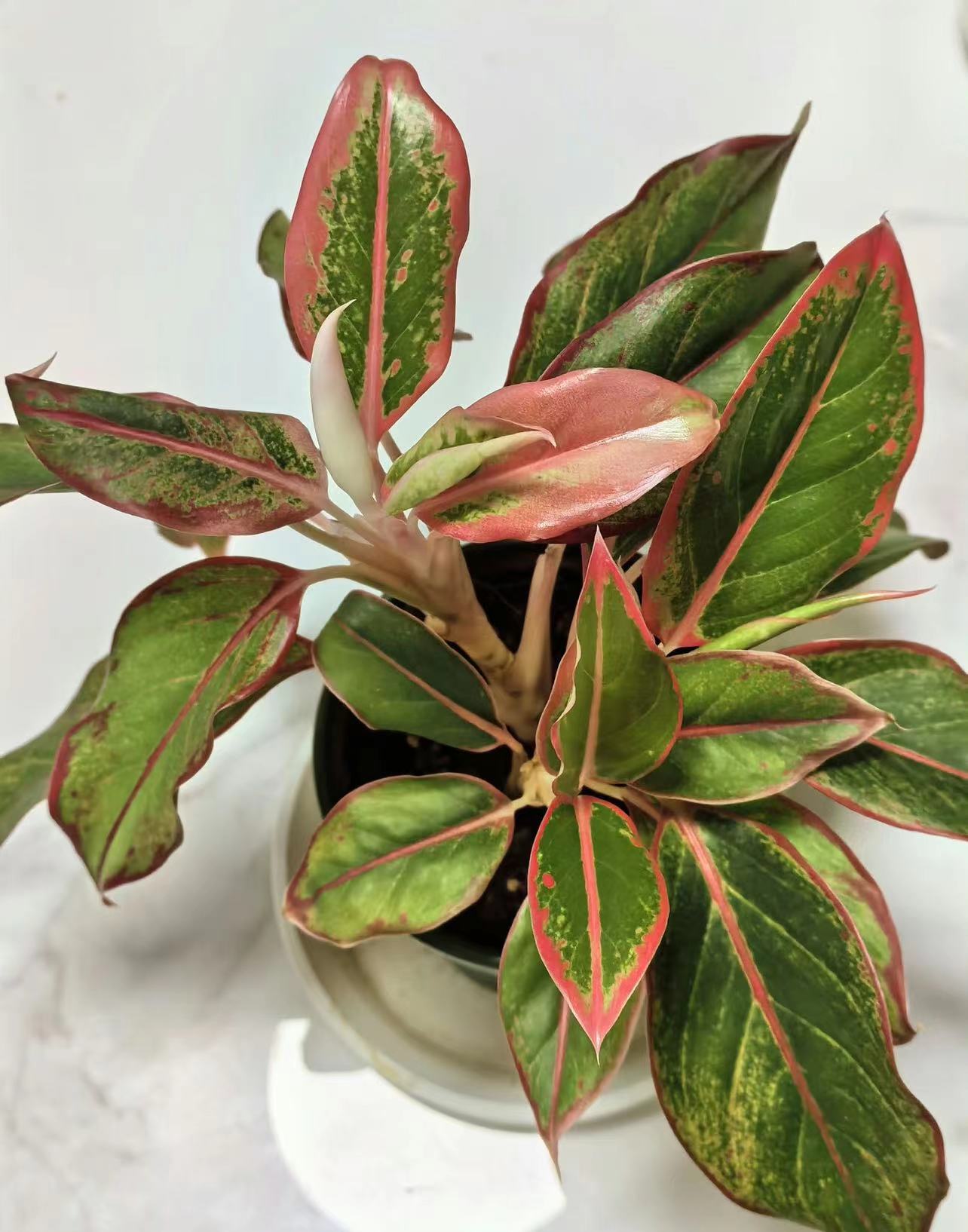
Can Fittonia verschaffeltii be planted in summer?
When choosing to plant Fittonia verschaffeltii, there is often such a question: Can Fittonia verschaffeltii be planted in summer? The answer is yes, but the
-
A Detailed Guide to Selecting and Raising Glehnia littoralis Seeds
On hillsides and in wasteland in rural areas, all kinds of plants are often seen, and many plants have certain medicinal effects and are used in medicine. For example, the root of Glehnia littoralis has many effects: it can nourish yin and clear the lungs, resolve phlegm and relieve cough. It is mainly used for dry cough due to lung dryness, damage to body fluids from febrile disease, thirst, and other symptoms
-
What are the latest production area distributions of Bei Sha Shen (Glehnia littoralis)?
Bei Sha Shen (Glehnia littoralis) is also known as Laiyang ginseng, sea ginseng, silver ginseng, Liaoning ginseng, Su striped ginseng, striped ginseng, northern striped ginseng, etc. It is the root of the Umbelliferae plant Glehnia littoralis, sweet in taste, and is a commonly used clinical yin-nourishing medicine. It nourishes yin and clears the lungs, eliminates phlegm and relieves cough, and is mainly used to treat dry cough from lung dryness, damage to body fluids from febrile disease,
-
How to Propagate Glehnia littoralis? A Detailed Guide to the Latest Propagation Methods
Glehnia littoralis is the root of the umbellifer (Apiaceae) plant Glehnia littoralis (beach silvertop), which is processed and dried for medicinal use. It has effects such as moistening the lungs and stopping cough, and nourishing the stomach and promoting body fluid production; it is used for dry cough due to lung dryness, damage to body fluids from febrile disease, thirst and other conditions. It has strong adaptability to climate, prefers sunny, warm and humid environments, and is mainly produced in the Laiyang and Weifang areas of Shandong, with production also in Hebei, Liaoning and other places. Let us now take a look at the propagation methods of Glehnia littoralis!
-
How to Grow Potted Pittosporum? A Detailed Guide to the Latest Cultivation Methods
Pittosporum is also known as Qilixiang, Baozhuxiang, Shanruixiang, etc. It is an evergreen shrub or small tree of the genus Pittosporum in the family Pittosporaceae, reaching up to 6 m tall, with young branches covered in brown soft hairs, and umbel inflorescences or corymbose umbel inflorescences terminal or nearly terminal. It can usually be planted as a hedge, and can also be planted singly or in clumps.
-
What is the difference between the poison bulb (Crinum asiaticum) and the spider lily (Hymenocallis littoralis)? The latest detailed comparison
The poison bulb (Crinum asiaticum) and the spider lily (Hymenocallis littoralis) are two very similar plants. If you are not very familiar with flowers, or have only seen one of them, it is very easy to confuse the two. So are the spider lily and the poison bulb really that hard to tell apart? Below, Qinnong Web will introduce
-
What are the latest propagation methods for Pittosporum tobira?
Pittosporum tobira is native to places such as Jiangsu and Zhejiang in China. It is an evergreen shrub with strong adaptability to climate, able to tolerate cold and heat, partial shade and blazing sun, and it is relatively easy to grow. It is precisely because of this characteristic that Pittosporum tobira is widely used in landscaping as a greening plant.
条件筛选