-

Are waxy-flowered Phalaenopsis orchids prone to wilting and hard to grow?
"Are waxy-flowered Phalaenopsis orchids especially prone to wilting? Are they super hard to grow?" These two questions are practically the ultimate test for anyone growing waxy Phalaenopsis orchids! Waxy-flowered Phalaenopsis varieties have won the hearts of many flower lovers thanks to their petals, which are as thick as wax and beautifully glossy. But when it comes to whether they wilt easily or are hard to grow, many people have
-
Why Newly Planted Tomato Seedlings Keep Wilting and How to Fix It
Fellow tomato growers, suddenly wilting tomato seedlings are a real headache! Don't panic - today we'll help you analyze the causes of tomato seedling wilting and treat the root of the problem. 1. Temperature In summer, after intense sunlight at high temperatures or after a long stretch of cloudy days followed by sudden clearing, tomato seedling leaves easily curl into a tube shape and turn dark green - this is the work of high temperature and drought. High temperatures cause the soil water
-
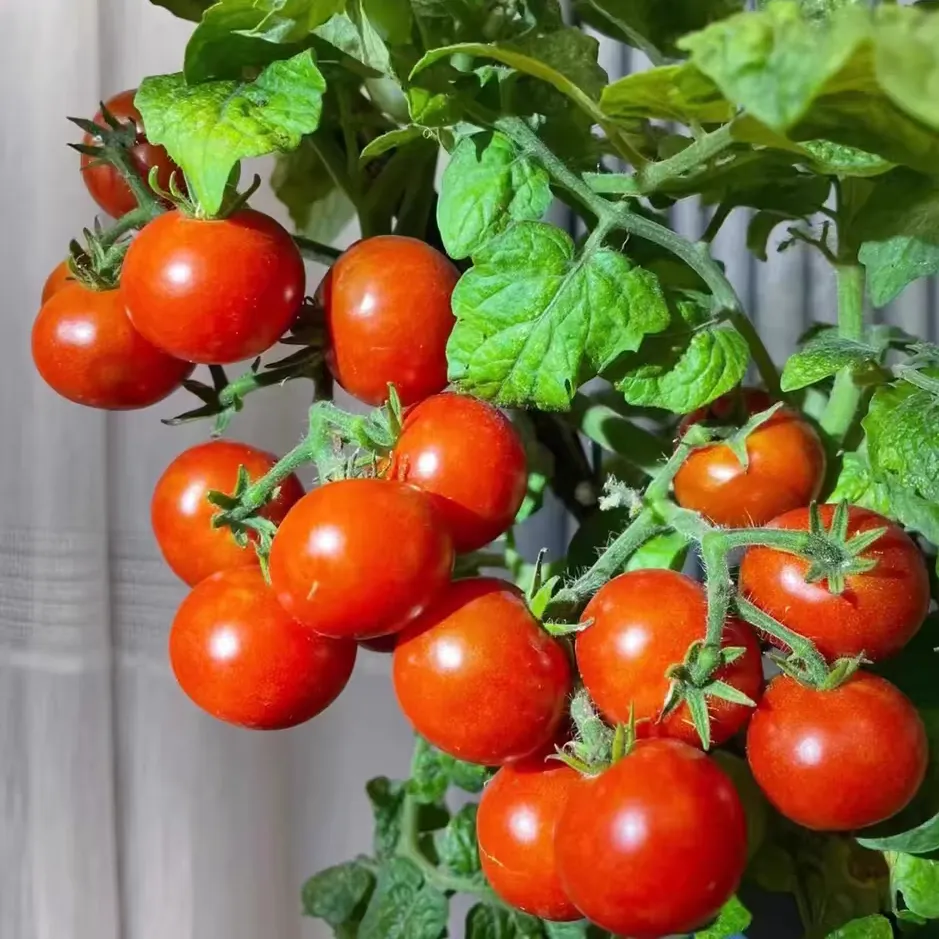
What are the causes of yellowing and wilting tomato leaves?
Have you ever encountered the situation where the leaves of your tomato plants turn yellow and wither? In fact, there are multiple reasons for this. Today, I
-
Reasons and Solutions for Soft, Wilting Leaves on Phalaenopsis Orchids During Blooming
When caring for Phalaenopsis orchids, many growers run into the problem of leaves turning soft during the blooming period. This phenomenon is often the result of a combination of factors, including light, temperature, water, fertilization, and pests and diseases. As long as you master the right response methods, you can help your Phalaenopsis recover its health and bloom beautifully again. 1.
-
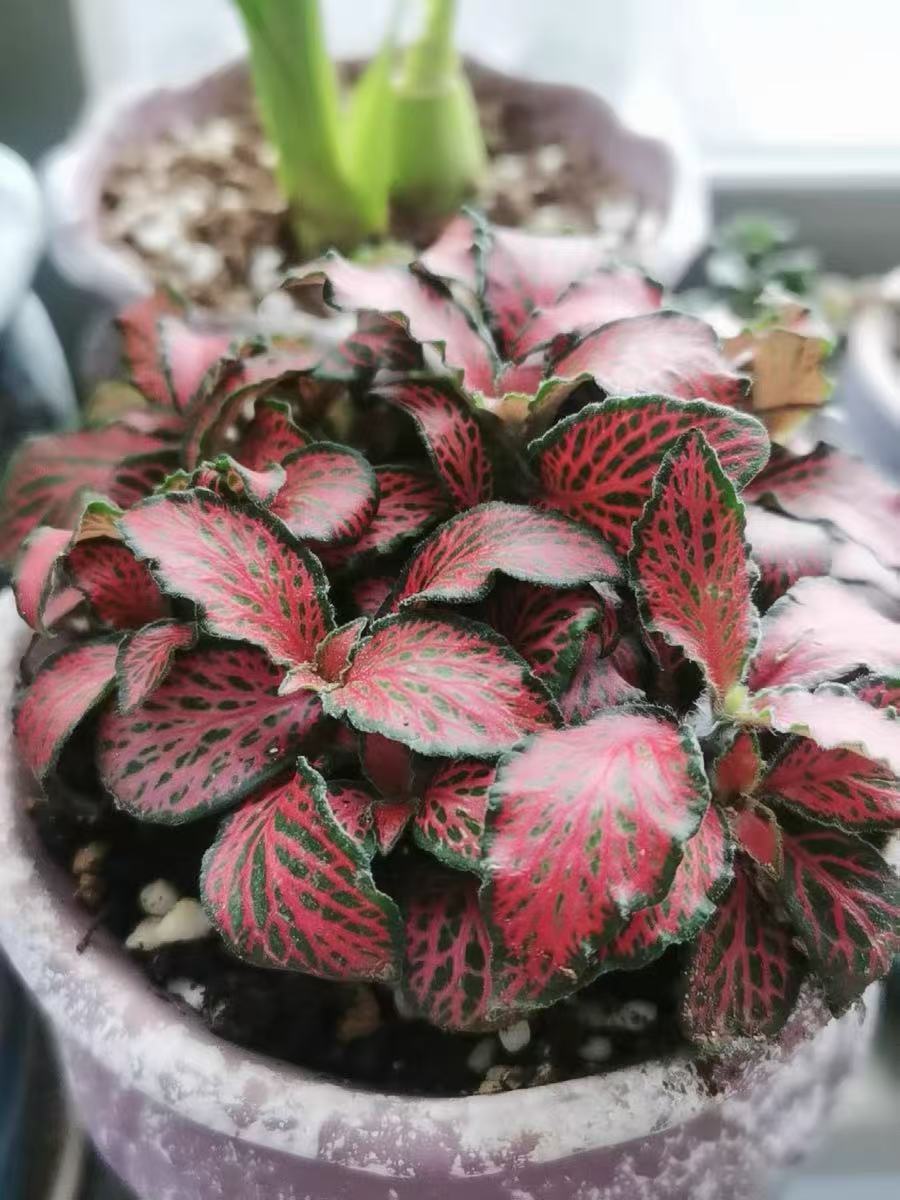
What's the matter with the shriveling and wilting of Fittonia verschaffeltii?
Fittonia verschaffeltii, as a beautiful and popular indoor plant, its unique leaf veins and emerald green leaves add a lot of vitality to the home. However,
-

Causes of Wilting in Indoor Plants in Winter and How to Fix Them
In winter, many indoor plants show wilting to varying degrees, and this is mainly caused by a number of factors. Below, we break down these causes one by one and offer the corresponding rescue methods. Causes of drought wilt: the winter environment is dry, and if the plant goes without water for a long time, it will wilt from the top downward, the stem cortex will shrivel, and in severe cases the whole plant will die.
-
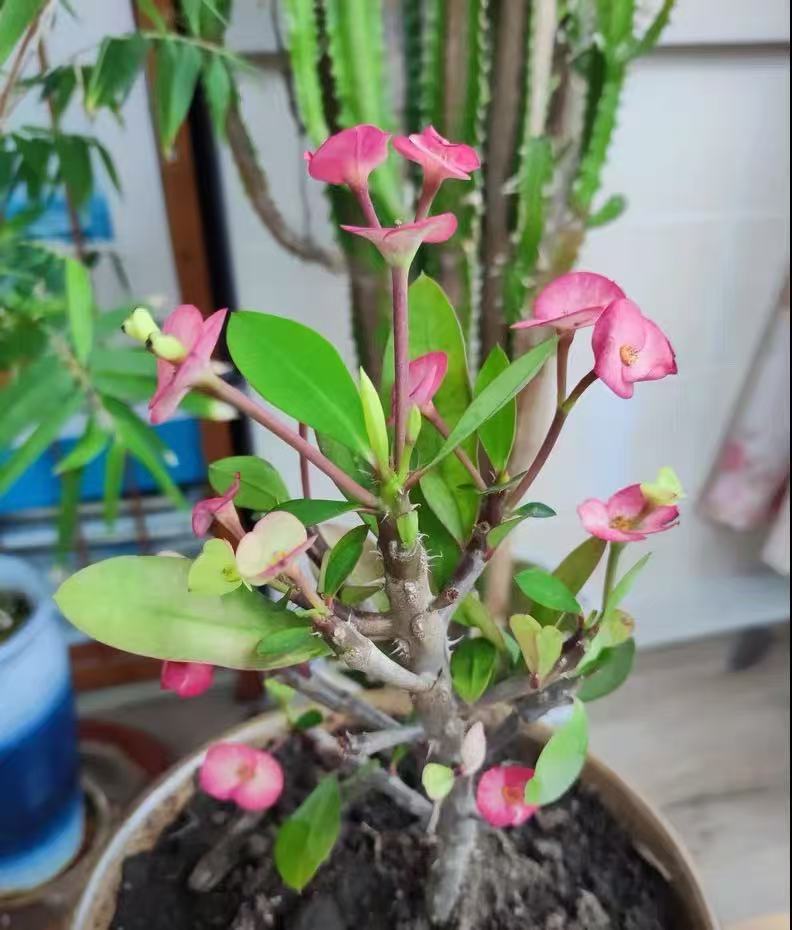
What causes the wilting of green plants in winter?
In winter, many green plants show wilting to varying degrees. This is mainly caused by a variety of factors. Now, let's analyze these reasons one by one and
-
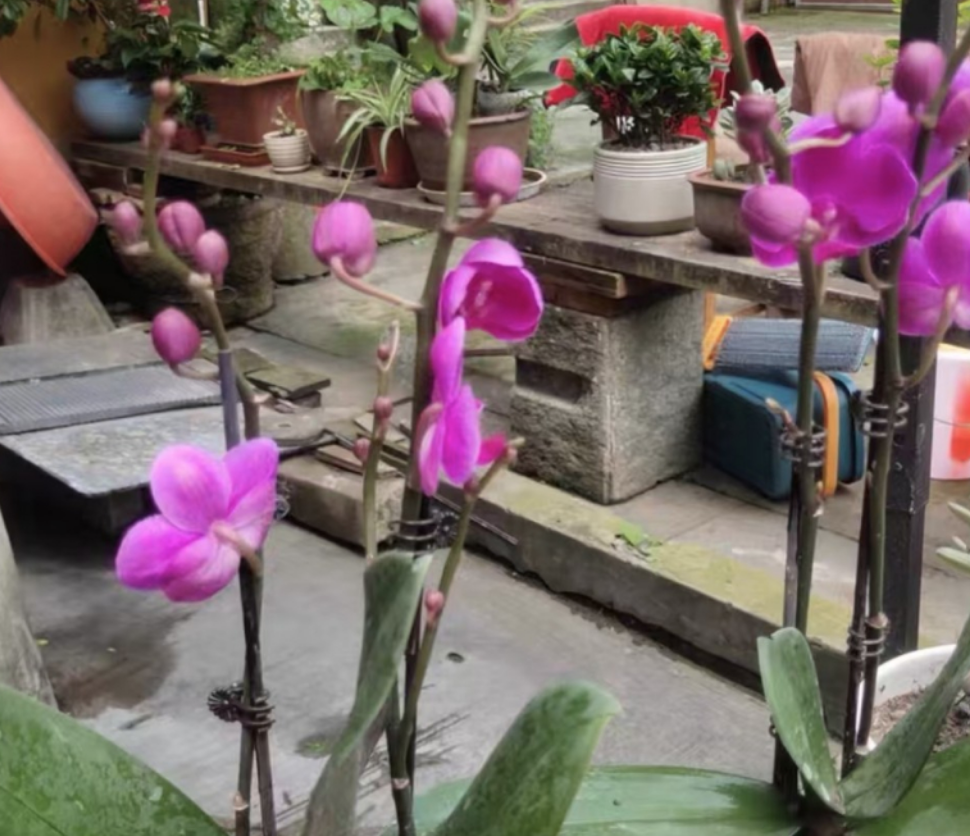
What are the remedial measures for the wilting of phalaenopsis?
I believe that friends who have ever grown phalaenopsis must have encountered the situation where its leaves gradually become shriveled or wilted, which also
-

How to Rescue a Wilting Phalaenopsis? A Detailed Guide to Preparing Nutrient Solution
I believe any friend who has grown phalaenopsis (moth orchid) has seen its leaves gradually become shriveled or wilted, which means the whole plant is beginning to age and head toward death. And if your phalaenopsis also shows this kind of condition, perhaps it is sending you a "distress signal." Let's take a look together below. If you encounter leaves
-

Reasons for Yellowing, Leaf Drop and Wilting in Goldfish Plants and How to Fix Them
As a popular indoor foliage plant, the goldfish plant (Nematanthus gregarius) is often loved for its unique form and bright flowers. However, during care, goldfish plants often develop yellowing and dropping leaves, which is usually caused by a variety of reasons. The following are some common causes: the goldfish plant likes semi-shade
条件筛选