-

How should goose feed be formulated to be reasonable? A detailed explanation of goose-raising techniques
Principles for formulating goose feed formulas: select appropriate feeding standards according to the goose breed, developmental stage and production purpose, so as to meet the goose's physiological needs without causing nutritional waste; base the formula on local resources and, while ensuring nutritional content, reduce costs as much as possible so that breeders obtain greater economic benefits; choose raw materials with good palatability and a certain volume to ensure the goose takes in enough nutrition each time; combine multiple raw materials to bring into play their mutually complementary nutritional effects; control the amount of certain feed raw materials used, for example, legume hay meal is rich in protein and can be used at 15%-30% in the daily ration, while feather meal, blood meal, etc. have low digestibility and should be added at below 5%; the raw materials selected should be of good quality, with no mold or deterioration and no pesticide contamination.
-
What are the appropriate mixing ratios for chicken feed
When formulating chicken feed, it is necessary not only to consider the nutritional standards of the chickens, but also to pay attention to the appropriate mixing ratios of various feeds. Carbohydrate feeds mainly contain starch and sugars and can account for less than 70% of the daily mixed feed. Corn: it is one of the highest-energy feeds among cereal feeds
-
Method for Formulating a Daily Diet Recipe for Hedgehog Farming
1) Draft hedgehog feeding standards and select feed ingredients. The rearing period of hedgehogs is relatively short, and feeding standards for each biological stage have not yet been established. Currently, referring to the diet standards of other omnivorous animals, the provisional digestible energy is 11 MJ/kg, and digestible protein is 16.
-
-
Five Considerations for Formulating Rabbit Feed
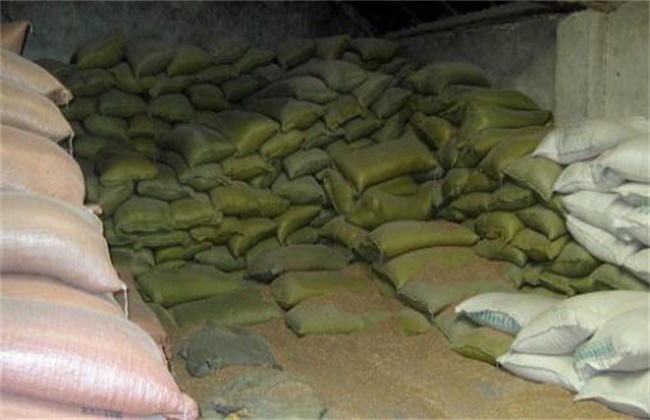
Select ingredients according to local conditions. The selected raw materials must not only meet the nutritional needs of domestic rabbits, but also be adapted to local conditions, using locally available forage as much as possible. Pay attention to the diversity of feed. Combining multiple feeds can play a role in nutritional complementation. Pay attention to seasonal differences. In most areas of China, green fodder is scarce in winter and spring, and domestic rabbits are prone to vitamin deficiency, so supplementation should be noted. Pay attention to the palatability of feed. Domestic rabbits like bitter chicory, alfalfa (Medicago sativa), and soybean, and refuse moldy-smelling and fishy-smelling forage. Pay attention to the
-
What are the considerations when formulating feed for rabbits
Pay attention to selecting ingredients according to local conditions. The selected raw materials must not only meet the nutritional needs of domestic rabbits, but also suit local conditions, using locally available forage as much as possible. Pay attention to feed diversity. Combining a variety of feeds can play a role in nutritional complementation. Pay attention to seasonal differences. In most regions of China, green succulent feed is scarce in winter and spring, and domestic rabbits are prone to vitamin deficiency, so supplementation should be noted. Pay attention to feed palatability. Domestic rabbits like bitter lettuce, alfalfa (Medicago sativa), and soybean, and dislike forage with a musty or fishy smell. Be economical and practical. Fish meal
-
What are the precautions for formulating complete chicken feed?
1. Make full use of local feed resources. Because the crop varieties grown in different regions are different, the types of feed are also different. In the spirit of adapting to local conditions and using local materials, local feed resources should be fully utilized, especially those low-priced feeds, which should be used more rationally. This can reduce intermediate links, which can not only reduce the freight costs required for large-scale grain transportation, but also ensure the source of feed. According to surveys, this measure alone can reduce feed costs by 3%-5%. It is one of the effective measures to improve the economic benefits of chicken farming. 2. Raw material varie
-
Several Suggestions on Formulating Dairy Quality and Safety Standards
Suggestions on Formulating Dairy Quality and Safety Standards
-
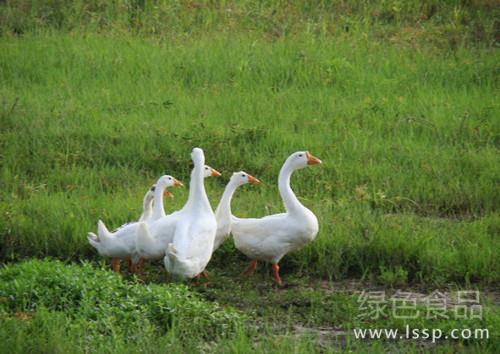
There are principles for formulating meat goose diets; you cannot just feed whatever is available.
"Feed whatever you have" is unreasonable: principles for formulating meat goose diets
-
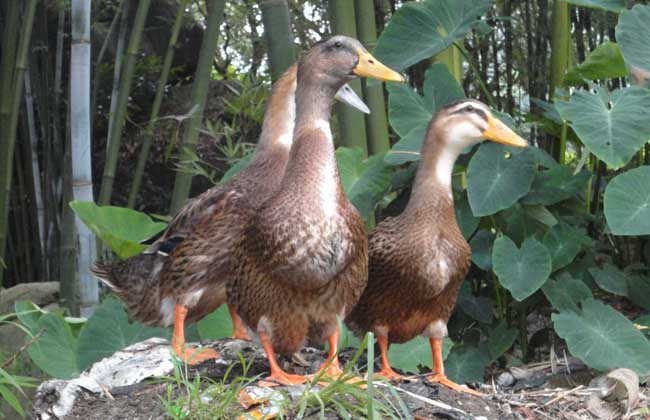
What are the basic principles for formulating meat duck feed?
Principles for Formulating Meat Duck Feed
条件筛选