What are the basic principles for formulating meat duck feed?
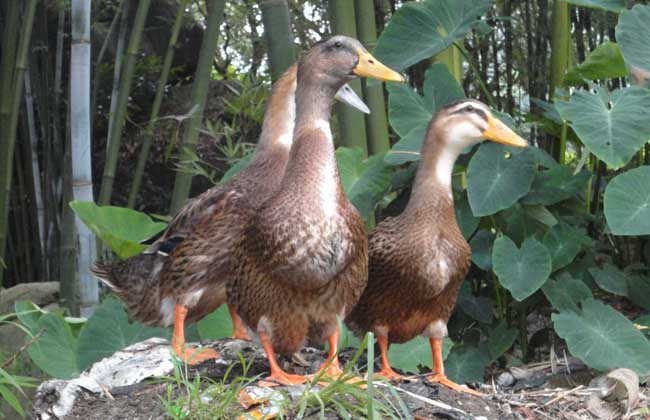
Meat ducks are among the faster-growing varieties of livestock and poultry raised on a large scale. A good-quality meat duck can increase its body weight by about 60 times from birth to 7 weeks of age, and before 6 weeks of age, the growth curve of meat ducks is basically a straight line. During rearing, nutrients can be supplied as needed according to the laws of body development, and better economic benefits can be achieved by reasonably dividing the rearing stages.
Digestive Physiological Characteristics of Meat Ducks
Compared with other livestock and poultry, the digestive physiological characteristics of meat ducks are more conducive to their own absorption and utilization of feed. The contents of the digestive tract of meat ducks contain various enzymes, such as pepsin, lipase, trypsin, cellulase, etc. The activity of these enzymes is also relatively high, and the pH value in each section of the meat duck intestine is relatively low, which is more conducive to the action of various enzymes.
Nutritional Requirement Characteristics of Meat Ducks
1. Energy: Energy is the nutrient required in the largest amount for the maintenance and growth of meat ducks. Meat ducks have a strong ability to regulate feed intake, so they can automatically adjust their intake according to the dietary energy level. There are mainly three energy sources that provide energy in feed, namely protein, carbohydrates and fat. Saccharides are also easily digested and utilized by meat ducks, but because meat ducks cannot synthesize cellulase in their bodies, cellulose and lignin cannot provide energy for them. The daily energy level is the decisive factor in the feed intake of meat ducks. Therefore, when formulating meat duck diets and nutritional components, timely adjustments should be made according to changes in daily energy concentration.
2. Protein and amino acids: The protein requirement of meat ducks mainly depends on the growth rate of meat ducks, their deposition of protein and their utilization rate of protein. Different breeds of meat ducks, rearing methods and rearing environments also require different protein levels. Meat ducks at different weeks of age also have different requirements for protein and amino acids: at 1 to 2 weeks of age, they need 0.8 to 1.06% lysine, 0.3 to 0.45% methionine, and 0.6 to 0.8% sulfur amino acids; at 2 to 7 weeks of age, they need 0.75 to 0.8% lysine, 0.3 to 0.45% methionine, and 0.5 to 0.7% sulfur amino acids.
3. Minerals: Calcium, phosphorus, sodium, chlorine, manganese, zinc, etc. are minerals required by meat ducks and are also elements prone to deficiency in diets. Meat ducks often cannot obtain enough calcium and phosphorus from feed, so bone meal, calcium bicarbonate, etc. need to be added to the feed as calcium and phosphorus sources. Sodium and chlorine mainly exist in soft tissues and are used to maintain osmotic pressure and water transport in the body of meat ducks, and are commonly supplemented with table salt.
4. Vitamins: The vitamins required by meat ducks mainly include water-soluble vitamins and fat-soluble vitamins. Water-soluble ones include vitamin D, pantothenic acid, riboflavin, folic acid, and pyridoxine; fat-soluble ones include vitamin A, nicotinic acid, choline, and vitamin K. Among these vitamins, meat ducks have the greatest demand for nicotinic acid, and a deficiency of nicotinic acid will cause leg disease in meat ducks.
Principles for Formulating Meat Duck Feed
1. When selecting raw materials for formulated feed, local resources should be used first as much as possible. While ensuring the quality of raw materials, the price of raw materials should also be considered in order to obtain higher economic benefits. Feed raw materials should be kept fresh, and mold and other conditions should be prevented during storage.
2. If the diet standard differs greatly from the feeding standard, it will cause diseases such as nutritional deficiency or excess in meat ducks, thereby causing some additional economic losses. When the energy level of the feed is relatively high, the amount of food ingested is relatively small, and vice versa. In order to reduce feed waste, the ratio of protein to energy should be balanced when formulating the diet.
3. In order to maintain the freshness of the feed, the amount of feed formulated at one time should not be too much, and it is generally appropriate to consume it within one week. Raw materials that are moldy, spoiled, or even contain harmful substances cannot be used to formulate diets, so as to avoid causing diseases in the body of meat ducks. When formulating diets, as many raw materials as possible should be used, so that the raw materials can complement each other nutritionally and improve the nutritional utilization rate of mixed consumption. In addition, the crude fiber content in the diet should not be too high, and 3% is appropriate.
4. The main components of additives include amino acids, minerals and vitamins, etc. Rational use of additives can effectively promote the growth of meat ducks, reduce feed costs and improve feed utilization, thereby enhancing overall economic benefits. For example, vitamin additives can completely replace the nutritional value of green feed, and while supplementing vitamins, they play a role in saving feed and reducing production costs.
5. The formulation of meat duck feed is based on factors such as the nutritional needs of meat ducks, the nutritional value of feed raw materials, production costs and market demand to reasonably determine the raw material ratio, obtain the maximum growth performance of meat ducks and create higher economic benefits. When formulating diets, it should be close to the feeding standard to prevent diseases such as nutritional deficiency or nutritional excess. In order to meet the various nutrient requirements of meat ducks, it is best to use a variety of feed raw materials, and fully mix each raw material during the formulation process.