-

Reasons for Upgrading Pangolins to National First-Class Protected Animals, Protection Measures and Significance
The announcement of the intermediate host of COVID-19 this year has once again drawn attention to the consumption and protection of pangolins. And recently, pangolins have been upgraded to national first-class protected animals! So why the upgrade? What are the measures and significance of protecting pangolins? 1. Pangolin upgrade
-
-
-
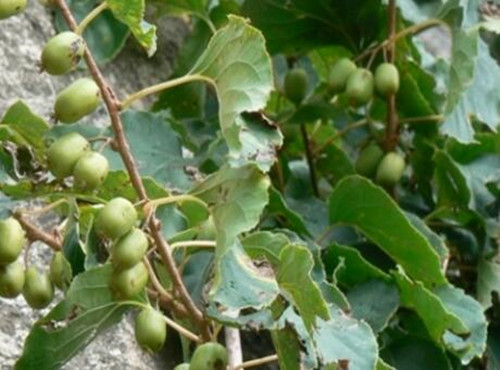
Appearance, Planting Methods, and Benefits and Effects of the National First-Class Key Protected Wild Plant Vitis balansana
Vitis balansana, an endangered species. Also known as bitter jujube, a woody vine. It is only scattered within a small area of Jinghong in greater Xishuangbanna, growing at the edge of seasonal rainforest in low mountain valleys at an altitude of 620 m. China has only this one genus and one species. So, what does Vitis balansana look like? How is it planted? What benefits and effects does it have? What does Vitis balansana look like
-
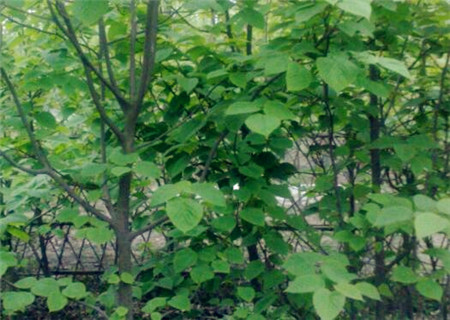
At what time does the national first-class protected plant "dove tree" (Davidia involucrata) bloom? Where are its main places of origin? What are its cultivation prospects? (
Davidia involucrata has been listed as a national first-class key protected wild plant. It is a monotypic genus endemic to China, a relict plant, and also a world-famous ornamental plant. So at what time does the dove tree bloom? Where are its main places of origin? What are its cultivation prospects? The blooming time of dove tree flowers. Dove tree flowers usually bloom in April.
-

What are the national first-class protected animals? A complete list at a glance
What are the national first-class protected animals?
-
-
China has the capacity to produce world-class, high-quality rice
On August 26, the 2015 China Premium Rice Development Symposium, hosted by the Chinese Cereals and Oils Association, was held in Harbin, bringing together experts from the Chinese Cereals and Oils Association, the China National Rice Research Institute, Henan University of Technology, Jiangnan University and the Satake Grain Analysis Center of Japan,
条件筛选