-

What flowers are suitable for growing in Suzhou? Latest introduction to the city flower and city tree
1. Climate characteristics of Suzhou. Suzhou has a subtropical monsoon maritime climate, with four distinct seasons, mild weather year-round, and abundant rainfall. It rarely snows in winter, so most plants are quite suitable for planting in Suzhou. In addition, because Suzhou's
-
Management techniques for the hatching and metamorphosis stages in forest frog farming
In mid-March, the water temperature in the Suzhou area is generally around 915~C, and the fertilized eggs hatch into tadpoles after about 5 days, with a hatching rate of about 85%. The main factor affecting the hatching of fertilized eggs is temperature: when the water temperature is below 6~C, both the hatching speed and the hatching rate decrease markedly. Light itself
-
Suzhou Qing Planting Methods and Key Techniques
Suzhou Qing has a plant height and spread of 30 cm, with nearly round leaves, green leaf color, smooth surface, and flat, relatively thick leaf stalks. The weight per plant is about 75 grams. It is disease-resistant, cold-tolerant, and bolts late. The yield is about 2000 kg per mu. So what are the planting methods for Suzhou Qing? 1. Suzhou
-
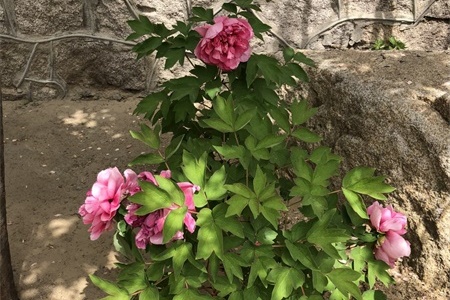
What flowers are suitable for growing in Suzhou? Introduction to the city flower and city tree
What flowers are suitable for growing in Suzhou, and what are the city flower and city tree
-
-
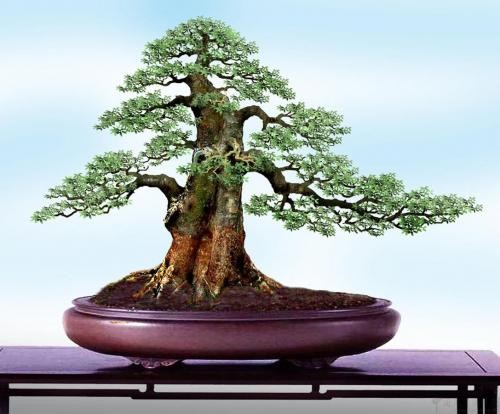
What are the basic characteristics and main values of Suzhou-style bonsai?
Bonsai making in Suzhou has developed since the Ming Dynasty and gone through hundreds of years of vicissitudes. The most prominent feature of Suzhou-style bonsai's shaping techniques is the high degree of integration of art and science. It incorporates the theoretical foundations of literature and fine arts, takes the painting principles of the "Wu School" as the theoretical basis for creation, and especially, under the artistic influence of Wu culture
-
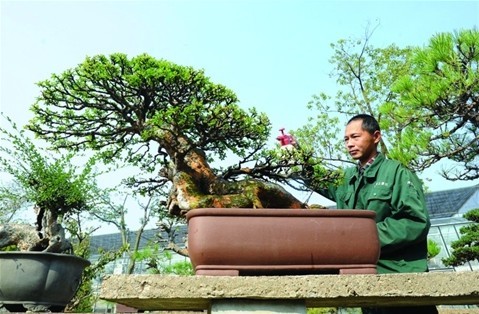
Suzhou Bonsai Styling Techniques: A Detailed Explanation of Pruning Key Points
Suzhou bonsai styling techniques place very high demands on pruning. There are mainly two types of pruning techniques: dormant-season pruning and growing-season pruning. Dormant season: mainly carried out in winter, beginning after leaf fall and ending before spring bud break.
-
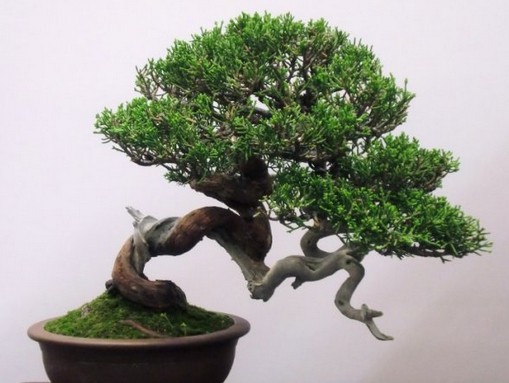
A Detailed Guide to Tree Species Selection and Styling Techniques of Suzhou-Style Bonsai
Suzhou-style bonsai is one of the five major schools of Chinese bonsai and consists of two parts: tree stump bonsai and water-and-stone bonsai. The most common varieties for tree stump bonsai include pines and cypresses, Chinese sweet plum (Sageretia thea), elm, boxwood, trident maple, Chinese fringeflower (Loropetalum chinense), crape myrtle, pomegranate, ginkgo, and others.
-
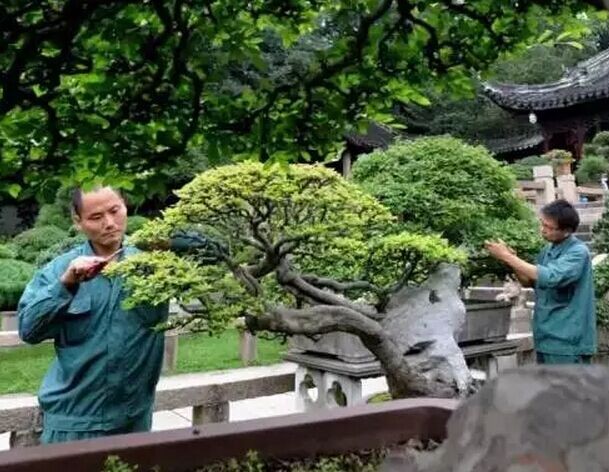
Suzhou-style bonsai pruning and shaping during the plum rain season showcases their unique artistic charm
During the plum rain season, there is plenty of rain and high humidity, so plants grow especially vigorously, and the branches and leaves of bonsai trees grow very quickly. Yesterday, horticulturists at the Bonsai Garden of Wan Jing Villa in Tiger Hill took advantage of a break in the rain to prune and beautify more than 600 Suzhou-style bonsai in the garden, so that these fine bonsai can all grow healthily and always maintain their beautiful forms
-
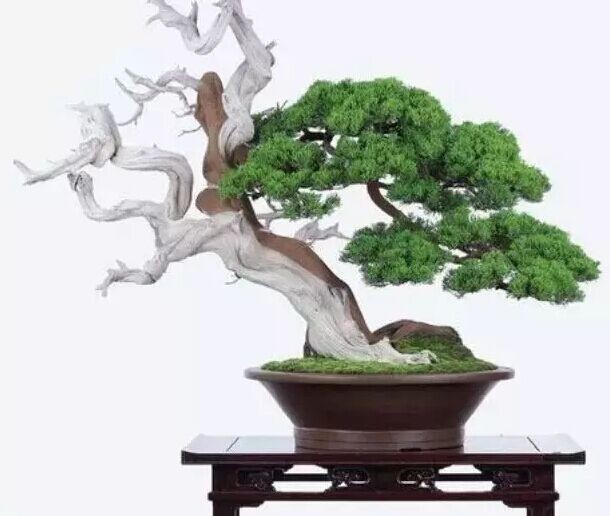
What are the stylistic characteristics of Suzhou bonsai?
Suzhou bonsai, commonly known as the Su style, is a type (school) of bonsai art style named after Suzhou. Centered on Suzhou, it spread to many areas south of the Yangtze River, such as Changshu, Wuxi and Changzhou. Its representative figures include Zhou Shoujuan and Zhu Zi'an. Su-style bonsai is mainly tree bonsai, emphasizes naturalness, with the form changing with the trunk.
条件筛选