-

How Much Does a Forest Frog Cost per Jin in 2019 and How to Build an Egg-Laying Pond for Chinese Forest Frogs
The Chinese forest frog (Rana chensinensis) belongs to the class Amphibia, order Anura, family Ranidae, genus Rana, and is commonly known as the Hashima frog. It is a precious amphibian with high economic value, combining food and medicinal uses with tonic properties. Below is an introduction to how much a forest frog costs per jin and how to build an egg-laying pond for Chinese forest frogs.
-
Management techniques for the hatching and metamorphosis stages in forest frog farming
In mid-March, the water temperature in the Suzhou area is generally around 915~C, and the fertilized eggs hatch into tadpoles after about 5 days, with a hatching rate of about 85%. The main factor affecting the hatching of fertilized eggs is temperature: when the water temperature is below 6~C, both the hatching speed and the hatching rate decrease markedly. Light itself
-
Management Key Points for the Tadpole Stage and Metamorphosis Stage in Forest Frog Breeding
1. Feeding and management during the tadpole stage The tadpole stage is an extremely important period in the individual life history of the forest frog, generally lasting 40-50 days. Artificial greenhouses are a good facility for raising tadpoles. (1) Feeding during the tadpole stage: Tadpoles are omnivorous, and their main food sources include water algae,
-
Detailed Explanation of Key Points of Artificial Breeding Technology in Forest Frog Farming
As the scale of forest frog farming continues to expand, the demand for forest frog fry grows ever greater, and relying solely on transplanting natural forest frog fertilized egg clusters and tadpoles can no longer meet the needs of farming. To ensure the timely supply of excellent
-
How to improve the overwintering survival rate of forest frogs? These measures must be mastered
The forest frog, also known as the Chinese forest frog or Hasma, is mainly represented in China by the Chinese forest frog (Rana chensinensis) and the Heilongjiang forest frog (R. amurensis), which are widely distributed across the three northeastern provinces of China. Because of the forest frog's unique nutritional and medicinal value, especially its frog oil, it is highly sought after in domestic and international markets
-
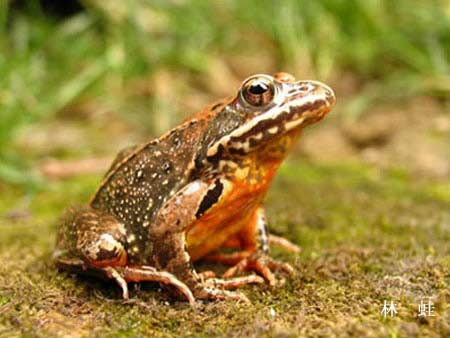
An Analysis of the Overview, Benefits and Development Prospects of Chinese Forest Frog Farming
The Farming Overview, Benefits and Prospects of the Chinese Forest Frog
-
In what ways is the economic value of the forest frog reflected?
The economic value of the forest frog
-
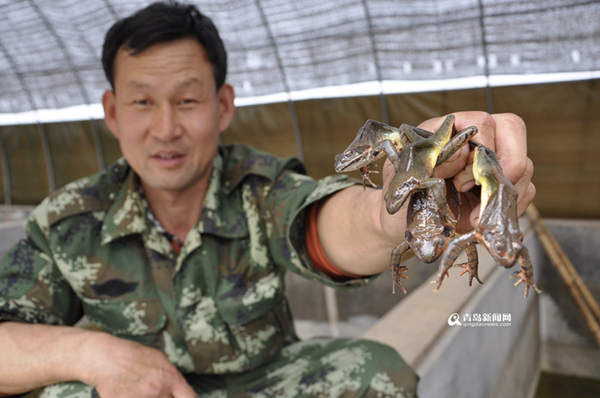
Raising forest frogs in vineyards, farmers become partners
Raising forest frogs in vineyards, farmers become partners
-

Detailed Explanation of Key Points in Forest Frog Breeding Management Techniques
Breeding and Management Techniques for Forest Frogs
-
What are the pathogenic factors of common diseases in forest frogs?
Analysis of the pathogenic factors of common diseases in forest frogs
条件筛选