-

Where to Buy Russian Fodder Kale Seeds and How to Grow Seedlings
Russian fodder kale is a forage grass very suitable for raising cattle, with characteristics such as cold resistance and high temperature tolerance, strong reproductive capacity, and good palatability. Pigs, sheep, cattle, rabbits and grass carp all particularly love to eat it, and many regions grow it for livestock feed. So if you want to grow Russian
-
How to grow Russian bellflower? A detailed guide to the latest cultivation methods
Growing Russian bellflower is not difficult; it is recommended to use sowing, planting the seeds in soil. Keep the growing temperature for Russian bellflower stable between 13~18°C, and provide more than 14 hours of light per day on average. When watering, water thoroughly and generously, keeping the environment moist; for fertilizer
-
How to Plant Russian Olive? Latest Planting Techniques and Methods Tutorial
Russian olive is a fairly well-known fruit tree in northwest China, with very wide uses; it can not only be eaten but also used to feed livestock, and it is widely loved in the northwest region. Because the location it grows in receives year-round sunlight, its fruit has a very high sugar content and tastes very
-
Differences Between Xinjiang Russian Olive and Sea Buckthorn: Price, Benefits and Dietary Taboos
The Russian olive is also known as qilixiang, xiangliu, ciliu, guixiangliu, yinliu, yinliu hutuizi, yageda, hongdou, zejimaodao, and gejiegedai. It is a deciduous tree or small tree of the genus Elaeagnus in the family Elaeagnaceae. So, are the Russian olive and sea buckthorn the same species? How much is the price
-
Detailed Guide to Russian Comfrey Cultivation Techniques
Russian comfrey is not choosy about soil and can be grown on idle land. Deep plow the planting plot to more than 20 cm and apply sufficient base fertilizer, then cut the young buds on the root pieces lengthwise, plant one plant per root, with a plant-to-row spacing of 40 cm by 50 cm. After each cutting, apply a topdressing once, and in dry
-
Is the large Russian olive an evergreen tree or a deciduous tree?
Russian olive is also known as Qilixiang, Xiangliu, etc. Its petioles are slender and silvery white; the fruit is oval and pink; the flesh is milky white and mealy. So is the large Russian olive an evergreen tree or a deciduous tree? 1. Is the large Russian olive an evergreen tree or a deciduous tree? The large Russian olive is deciduous
-
How many years does it take for Russian No. 8 large cherry to bear fruit?
Russian No. 8, also known as Hanxiang, is a new large cherry sapling introduced from Russia by Zhang Diangao, former director of the Fruit Tree Bureau of Wafangdian City, Dalian, Liaoning Province, and it bears fruit earlier than ordinary cherry trees. So, how many years does Russian No. 8 take to bear fruit? 1. How many years does Russian No. 8 take to bear fruit
-
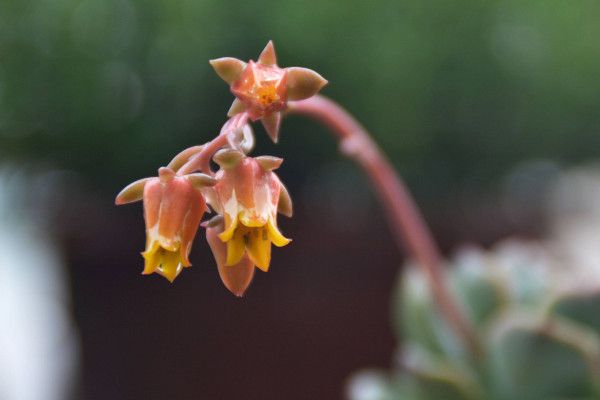
How to grow Russian bellflower? I'll teach you the correct cultivation method
Cultivation methods for Russian bellflower
-
-
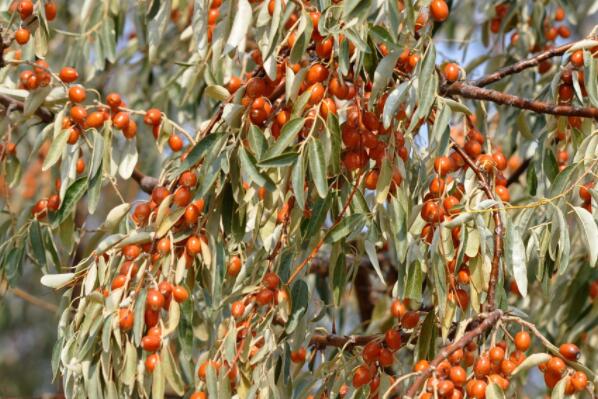
What Does the Russian Olive Tree Look Like? A Complete Guide to Sapling Prices, Planting Methods and Benefits
The Russian olive tree is also known as silver willow, fragrant willow, cassia willow and qilixiang. It has extremely strong vitality and is characterized by drought resistance, wind and sand resistance, salt and alkali tolerance, and tolerance of poor soil. So what does it look like? How much does a sapling cost? What are the planting benefits? What are the methods? According to the Ningxia sapling base
条件筛选