How to grow Russian bellflower? I'll teach you the correct cultivation method
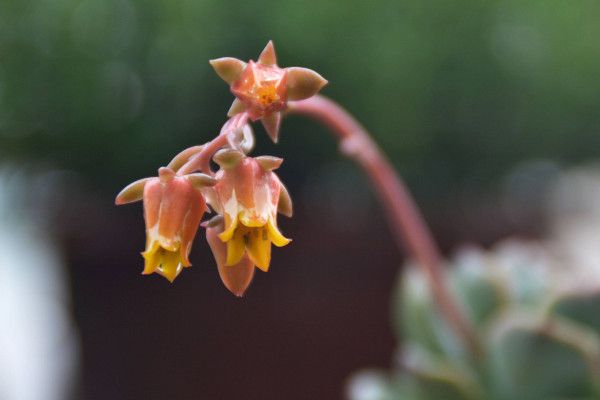
Growing Russian bellflower is not difficult. It is recommended to use sowing, planting the seeds in soil. Keep the growing temperature for Russian bellflower stable between 13~18°C, and provide more than 14 hours of light per day on average. When watering, water thoroughly and generously, keeping the environment moist. For fertilizer, phosphorus and potassium fertilizer can be used for top dressing, and calcium can also be applied.
Methods for growing Russian bellflower
1. Propagation by sowing
To grow Russian bellflower, use propagation by sowing. Choose plump seeds that are small, smooth and oval-shaped, dry and store them, then take them out to sow in late winter and early spring. Scatter the seeds into a thin layer of soil, in a slightly neutral soil medium. The surface of the sowing soil should be kept flat, the seeds scattered evenly, and appropriate growing spacing maintained.
2. Light and temperature conditions
The normal growing temperature range for Russian bellflower should be between 13~18°C. After winter arrives, it is best to cover with film for insulation, keeping it stable above 3~5°C. As for light, mature growing Russian bellflower should receive more than 14 hours of light per day on average, ensuring the plant can carry out complete photosynthesis and bloom quickly.
3. Water and fertilizer irrigation
Before the sowing radicle grows out, a high-humidity environment should be maintained, watering thoroughly and generously. While avoiding water loss, also be careful of waterlogging. In terms of fertilizing, if you want to speed up seedling growth, you can apply more calcium. During the peak growth period, top dress with a balanced amount of nitrogen fertilizer and potassium fertilizer. After September, do not apply top dressing.