-

Kochia Seed Latest Prices and Detailed Planting Methods
Kochia, also known as broom cypress, broom vegetable, peacock pine, etc., is an annual herbaceous plant of the genus Kochia in the Amaranthaceae family. It has strong adaptability and can be planted in front of and behind houses, at field edges, and in field corners throughout the north and south. Its fruit is flat and spherical, called Kochia fruit, and can be used as medicine. The tender stems and leaves can be eaten, and the old plant
-
How to grow Kochia scoparia? Latest planting techniques and method tutorial
Kochia scoparia (broom cypress) is a weed seen everywhere in rural areas, but this weed has extremely high value and can almost be said to be a treasure from head to toe. The fruit of Kochia scoparia can be used as medicine, the tender stems and leaves are also edible, and the aged plants can also be made into brooms. Because Kochia
-
How to grow broom grass? A detailed guide to the latest planting methods
Broom grass, also known as kochia, summer cypress, etc., mostly grows wild in fields, roadsides and wasteland. It is a wild vegetable with high nutritional value; its young stems are edible and its seeds can be used as medicine. In rural areas, after autumn it is cut down to make brooms, which is very practical. Nowadays it is also grown
-
How to Grow Kochia: Seed Propagation Tips and Precautions
In front of the gates of farmhouse courtyards, there are often one or two lush green kochia plants (Kochia scoparia), especially verdant, adding a touch of green to the surrounding scenery. The lush green kochia always brings people a feeling of freshness and tranquility; that little big round ball is quite the adorable thing,
-
How to Grow Kochia: Planting Methods and Precautions
Kochia, I believe many people are fairly familiar with it. As a whole, kochia is fresh and green, round and spherical in shape, not only adorably cute but also able to give people a quiet and elegant feeling, and it is deeply loved and sought after by gardening enthusiasts. But many gardening enthusiasts say they do not know how to grow kochia.
-
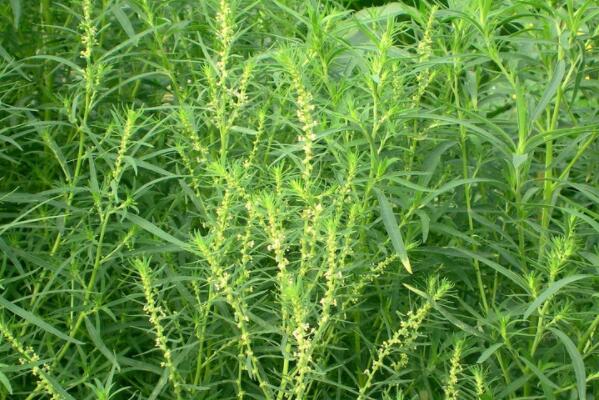
How much does a jin of annual herbaceous Kochia scoparia seeds cost, plus planting methods and benefits
Kochia scoparia, also called dimai, luozhou, broom seedling, broom vegetable, peacock pine, green broom and guanyin vegetable, has tender stems and leaves that can be eaten, and the old plant can be used to make brooms. So how much does a jin of Kochia scoparia seeds cost? How is it planted? What benefits and effects does it have? Learned from Manager Li of the Suqian Seed Company
-

A Detailed Guide to the Benefits, Uses and Cultivation Methods of Kochia
Kochia Encyclopedia: The plant clump is dense, with a form ranging from ovate to spherical, obovate or elliptical. It branches abundantly and finely, bears short soft hairs, and the base of the stem is semi-lignified. The stem has many branches, the leaves are linear-lanceolate, simple and alternate, linear or strap-shaped. The spike inflorescence bears small reddish-brown flowers; the flowers are extremely small and have no ornamental value.
-
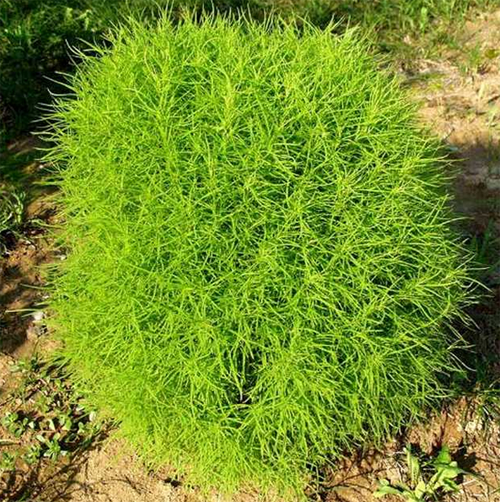
Kochia scoparia: Growing Methods and Alternative Names
In rural areas, Kochia scoparia is an extremely common plant. In the countryside, it is not grown for ornamental purposes but for making brooms. Oh my goodness, such a lovely plant used for making brooms! So what are the growing methods for Kochia scoparia? And what other alternative names does it have?
-
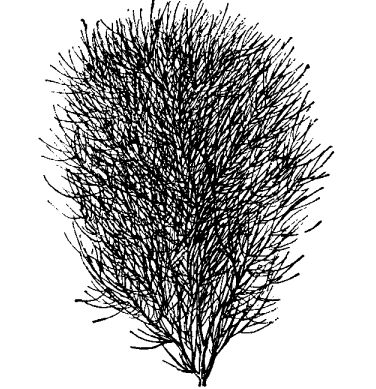
Detailed Explanation of Kochia Cultivation and Planting Techniques
[Aliases] Broom grass, green broom. [Family and genus] Chenopodiaceae, genus Kochia. [Morphology] Annual upright herbaceous plant, 50--100 cm tall, with many dense branches and short soft hairs. Leaves alternate, linear, extremely narrow, 3-5 cm long, extremely numerous; the perianth is red and turns brownish-red. Flowers small, bisexual or female
-
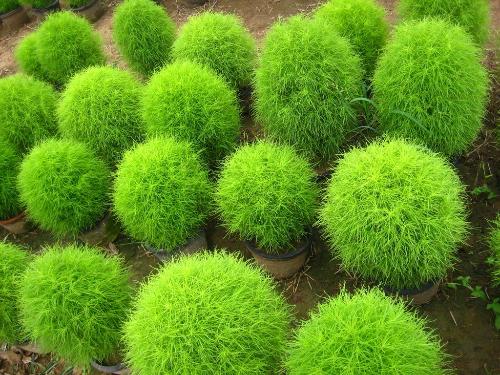
A detailed guide to the planting methods and key technical points for Kochia scoparia (summer cypress)
1. Sowing and seedling raising: can be direct-sown or raised as seedlings for transplanting. For open-field direct sowing, sow in early April; before sowing, apply plenty of base fertilizer. Hole sowing, row sowing or broadcast sowing are all acceptable. For seedling raising under protection, sow from early to mid-March, covering the seed with soil 3 to 4 times the seed diameter; seedlings emerge after 6 to 7 days.
条件筛选