Detailed Explanation of Kochia Cultivation and Planting Techniques
[Aliases] Broom grass, green broom.
[Family and genus] Chenopodiaceae, genus Kochia.
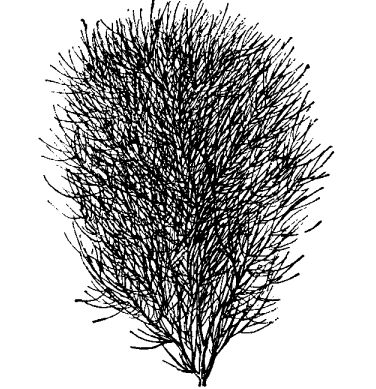
[Morphology] Annual upright herbaceous plant, 50--100 cm tall, with many dense branches and short soft hairs. Leaves alternate, linear, extremely narrow, 3-5 cm long, extremely numerous; the perianth is red and turns brownish-red. Flowers small, bisexual or female, usually solitary or in pairs in the leaf axils, forming sparse spike-like inflorescences. The utricle is oblate-spherical, enclosed within the perianth. It contains one seed; the 1000-seed weight is 1.09 grams.
This variety is rounder and denser in appearance than the original species, with finer leaves, and the perianth is red when fresh.
[Origin and distribution] Native to Asia and Europe.
[Habits] Not cold-tolerant, but tolerant of alkaline soil and resistant to drought; not demanding about soil, but generally prefers sunny, fertile, loose soil. It can reproduce by self-sowing.
[Propagation] Sow in open-ground seedbeds in early April; germination is rapid and uniform.
[Cultivation] After the seedlings are thinned, transplant them once, then set them out in the garden in early June at a spacing of 40—60 cm. It is not demanding about fertilizer and water and tolerates extensive management.
[Seed collection] Select plants with a neat appearance; after the perianths of most utricles turn red, cut the whole plant, dry it in the sun, and thresh the seed.
[Uses] The seeds contain 15% oil and are used for food and industry. The whole plant and seeds are used as medicine to clear damp-heat and promote urination. The young stems and leaves are edible. After the plant dries, it can be made into brooms.
Conditions and Key Cultivation Techniques for Growing Potted Vegetables
Potted vegetables should be grown in protected areas such as greenhouses and plastic tunnels, and the air vents and doorways must be sealed tightly with insect-proof netting. Micro-sprinkler or tap water irrigation facilities are required. Choose flowerpots of suitable size; plastic pots, clay tile pots, or wooden pots may be selected, and for especially precious varieties, purple clay pots and colored-glaze ceramic pots may also be used. For potted chives, foam boxes may be used, but clay tile pots should be placed inside a plastic pot when sold. The following principles should be followed in the selection of substrate, fertilizers, and pesticides.
1. The substrate used must be clean and thoroughly disinfected. It must be nutritionally complete and free of pests and diseases. Generally, peat, vermiculite, perlite, spent mushroom compost, and clean river sand are used as the substrate.
2. Try not to use chemical fertilizers; use more organic fertilizers such as sesame residue and peanut cake, and also fully decomposed organic fertilizer made by fermenting with microbial inoculants, with cow and sheep manure as the main raw material.
3. Certain microorganisms are allowed, such as nitrogen-fixing and phosphate-solubilizing rhizobia, photosynthetic bacteria, and phosphate-solubilizing bacteria; through the activity of these beneficial bacteria, the full utilization of nutrients by vegetables is promoted.
4. Chemical pesticides are not allowed; plant-based and mineral-based biological pesticides are allowed for the prevention and control of pests and diseases.
Select crops and varieties suitable for potted cultivation
Fruit-ornamental vegetables: colored sweet peppers, dwarf tomatoes, cherry tomatoes, firm-fruited tomatoes, ornamental eggplants, small peppers, miniature watermelons, and various pumpkins, melons, zucchini, okra, and naranjilla, etc.
Colored vegetables: leaf beet, various lettuces, Gynura bicolor, perilla, purple amaranth, and variegated kale, etc.
Green leafy health vegetables: lettuce, parsley, Madeira vine, kochia, mizuna, pearl, kale, basil, leaf-used goji, chives, and vegetable jute, etc.
Root and stem vegetables: fennel, cherry radish, fruit kohlrabi, turnip, mini radish, and carrot, etc.
Key cultivation techniques
Arrange a suitable sowing period: arrange the sowing and planting period according to the length of the growth period and consumer demand, so that the cultivated varieties can be sold during holidays and peak tourism seasons.
Regulate suitable temperature, light, and humidity: fruit vegetables and leafy vegetables have different requirements for temperature and humidity. They should be planted separately and managed according to different temperature, humidity, and light conditions.
Set up trellises and prune in time: vegetables are required not only to grow well but also to be beautiful and artistic; dwarf crops should be pruned in time to remove yellow leaves, and tomatoes and melons should be supported with trellises of various shapes made of bamboo, wood, or steel bars so that they can climb and grow.
Fertilizer and water management should be scientific: use odorless organic fertilizer, water and control water at the right time, so that the root system is well developed, the growth is robust, and the fruiting is good.
April Home Flower-Growing and Planting Techniques
April is an important month for flower lovers; it is an important time for planting flowers, grass, and seeds, and the care of flowers and plants in April is also very important.
Courtyard Flower Arrangements
(1) Flower species suitable for courtyard display. South of the Jianghuai region, after Qingming Festival a considerable number of potted ornamental plants can be displayed in courtyards, such as Norfolk Island pine, camellia, five-needle pine, Malus halliana, Chaenomeles speciosa, sago palm, king palm, broadleaf lady palm, fishtail palm, areca palm, Canary Island date palm, Buddhist pine, bird of paradise, rubber tree, Monstera deliciosa, Philodendron bipinnatifidum, banana shrub, nandina, Aspidistra elatior, Chinese yew, red maple, ornamental peach, longevity peach, Fatsia japonica, Cymbidium faberi, palm tree, and Aucuba japonica, etc. In northern regions, courtyards can display Japanese black pine, lacebark pine, Pinus parviflora, Chinese juniper, spruce, yew, 'Jimei' plum, beauty plum, Mahonia bealei, Armand pine, Butia capitata, windmill palm, European fan palm, and Jubaea chilensis, etc.
(2) Propagation of courtyard flowers. 1. Sowing. Courtyard herbaceous flower species suitable for sowing in April include: Cleome spinosa, cockscomb, Impatiens balsamina, Salvia splendens, Gomphrena globosa, dahlia, Aster, China aster, kalanchoe, petunia, snapdragon, red-yellow chrysanthemum, kochia, etc. Courtyard woody flower species suitable for sowing in April include: sand-stored magnolia species, banana shrub species, manglietia species, red maple species, buckeye species, and camellia species; others include wisteria, wintersweet, Calycanthus, nandina, and Ardisia crenata, etc. Sand-stored seeds are best sown when the seed coat has just cracked. For seeds with harder seed coats, such as wintersweet, wisteria, silk tree, redbud, and tulip tree, they can first be soaked in cold water for 24 to 36 hours before sowing. Seeds of Fatsia japonica can be sown as soon as they mature at the end of April. Naranjilla can be sown and raised as seedlings in plastic tunnels in April. Bulbous flowers such as tuberose, gladiolus, and dahlia can be planted out at this time.
2. Cuttings. From south to north, most easy-to-root flower and tree species whose leaf buds have not yet sprouted can be propagated by cuttings, such as Mahonia bealei, Mahonia fortunei, Fatsia japonica, boxwood species, nandina, Chaenomeles speciosa, plum (cultivars such as Gongfen and Green Calyx), Buddhist pine, pomegranate, crape myrtle, firethorn, Spiraea, and rose cultivars. Chrysanthemums can also be propagated by cuttings at this time.
3. Grafting. Flower and tree species that can be grafted in April include: Aucuba japonica and golden bullet; on female plants such as ginkgo, grafting branches of a male plant that has already flowered can promote fruiting and avoid the trouble of pollinating every year. Woody flowers such as Malus halliana, Malus micromalus, wintersweet, Sophora japonica var. pendula, Robinia hispida, ornamental peach, osmanthus, red maple, banana shrub, Michelia alba, and longevity peach can also be grafted in April. In addition, in southern regions, Christmas cactus, golden barrel cactus, and Gymnocalycium mihanovichii can also be grafted at this time.
4. Division. Courtyard flower species that can be propagated by division in April include: Mahonia fortunei, Mahonia bealei, nandina, bamboo, Chaenomeles speciosa, winter jasmine, pomegranate, fig, Magnolia liliiflora, banana, canna, dahlia, iris, Cymbidium goeringii, rain lily, lotus, and water lily, etc.
5. Layering. Courtyard flowers and trees that can be propagated by layering in April include: plum, wintersweet, red maple, gardenia, banana shrub, camellia, Buddhist pine, osmanthus, and Chaenomeles speciosa, etc.
(3) Management of courtyard flowers and trees. 1. Management of courtyard field-planted flowers and trees. (1) Transplanting. This month is the best time for transplanting courtyard field-planted flowers and trees. Whether deciduous or evergreen, as long as their leaf buds have not unfolded or the new shoots are not long, they can be transplanted with a soil ball, such as southern magnolia, camphor tree, banana shrub, ginkgo, white magnolia, buckeye, photinia, persimmon, wintersweet, plum, red-leaf plum, and red maple, etc. Generally, the diameter of the soil ball is about 6 to 7 times the diameter of the trunk, and depending on the damage to the root system, some branches and leaves should be pruned as appropriate to reduce leaf transpiration. For plants that have already sprouted and grown shoots, the soil ball diameter should be increased, and at the same time the branches and leaves should be heavily pruned back. Plum should not be transplanted after leaf unfolding, otherwise it is likely to cause poor growth or death. Peony and Chinese peony should not be transplanted in spring. Field-planted herbaceous flowers such as Calendula officinalis, verbena, Impatiens balsamina, Salvia splendens, zinnia (when 4 to 5 true leaves have formed), petunia, California poppy, snapdragon, iris, rain lily, variegated Liriope, hosta, grass-leaved lilyturf, lilyturf, and Reineckea carnea can also be transplanted at this time.
(2) Pruning. For plants such as wintersweet, plum, Forsythia, peach, and winter jasmine after flowering, cut back from the base of the flowered branches and adjust the tree's appearance; for field-planted flowering shrubs such as redbud, Malus halliana, Chaenomeles speciosa, Amelanchier, papaya, Malus hupehensis, banana shrub, Calycanthus, and Prunus triloba, shaping and pruning should be carried out, removing water sprouts, disordered branches, inner-canopy branches, weak branches, and pest- and disease-damaged branches, so as to help form a good flowering plant shape.
(3) Fertilizing. Whether evergreen flowers and trees or deciduous shrubs, as long as they have not yet sprouted and grown shoots, at this time a ring-shaped trench can be dug around the outer part of the root zone and decomposed organic fertilizer (cake fertilizer) or compound fertilizer buried in it, using 0.5 to 1 kg of fertilizer per plant.
(4) Pest and disease prevention. Cut off branches and leaves on the plants that have already been infected by pests or diseases, clear away the fallen branches and leaves on the ground, and destroy them in a centralized manner. For Rosaceae flowers and trees prone to disease, such as rose, Chaenomeles speciosa, Malus halliana, Malus micromalus, papaya, and pear trees, spray Bordeaux mixture in time to prevent the occurrence of rust and brown spot disease.
2. Management of courtyard potted flowers. (1) Repotting. For plants that were not repotted in March and whose leaf buds have just begun to swell but have not yet unfolded leaves, repotting can be done in April; when repotting, do not break off too much of the old soil or prune the root system excessively. Such species include ginkgo, Norfolk Island pine, golden larch, Buddhist pine, Japanese black pine, Pinus parviflora, Japanese red pine, five-needle pine, Osaka pine, Podocarpus macrophyllus, pomegranate, and crape myrtle, etc.; for plum plants after leaf unfolding, repotting is generally not carried out.
(2) Shaping. In southern regions, money tree seedlings can be dug up at this time, spread out to air-dry for 1 to 2 days to lose part of their moisture, and then the stems of 3, 5, or 7 odd-numbered plants can be braided into a braid; after braiding, press them down with a heavy object to fix their shape, and then choose a suitable pot for planting.
Michelia alba should not be pruned indiscriminately; its branches have a relatively large pith, and after pruning, a dead section of branch will appear below the cut. For this reason, the cut should be at least 5 cm away from the strong bud being retained.
For trident maple bonsai, pruning should also not be carried out at this time, otherwise a large amount of wound sap will be produced, causing the branch below the cut to die back and affecting the normal growth of that branch.
Ornamental plants suitable for shaping in April include: Buddhist pine, Serissa japonica, cypress, true cypress, banyan, ginkgo, five-needle pine, Japanese black pine, Podocarpus macrophyllus, Malus halliana, soft cypress, Chinese elm, Sageretia thea, Adina rubella, oak, Fraxinus chinensis, Syzygium buxifolium, Euonymus pendulus, and plum, etc. For pine bonsai, the male and female cones should also be removed in time to reduce nutrient consumption.
(3) Watering. In April, potted flowers and trees moved outdoors should be given more water to promote rapid shoot growth and leaf unfolding. For bonsai such as five-needle pine, Japanese black pine, Pinus parviflora, and Japanese red pine, watering should be controlled and more sunlight given so that the needles do not grow too long; the principle should be not to water until dry, water less and mist more. In southern regions, sago palm should also be given "water withholding" to prevent newly grown leaves from becoming too long and affecting ornamental value. For camellia, azalea, and poinsettia (plants that have been cut back and repotted) that have just finished flowering, as well as Epiphyllum, night-blooming cereus, plum, Michelia alba, jasmine, Chloranthus, and kumquat, special attention should be paid to controlling the amount of watering, and do not let water accumulate in the pot and cause root rot.
(4) Fertilizing. For rose, camellia, plum, wintersweet, azalea, Cymbidium goeringii, Cymbidium hybridum, and Cymbidium sinense, because after flowering the root system has just begun to grow tender fibrous roots, the fertilizer concentration should not be too high. If using cake fertilizer water, a concentration of about 10% is suitable; with urea and monopotassium phosphate solution, 0.2% to 0.3% is better. If the topdressing concentration is too high, it will damage the tender fibrous roots. A small amount of thoroughly decomposed solid organic fertilizer or multi-element quick-acting compound granular fertilizer can also be buried in different parts of the potted flowers.
(5) Pest and disease prevention. For potted orchids, when they are moved outdoors, carefully check whether scale insects are parasitizing the leaves, and spray the plants with Bordeaux mixture or mancozeb, etc., to prevent leaf diseases. For tree-stump bonsai such as pines and cypresses, Chinese elm, wood, Sageretia thea, plum, and trident maple, while removing and burning pest- and disease-damaged branches and leaves, apply lime sulfur mixture or similar preservatives to areas on the trunk where the xylem is exposed. For potted plants previously infected indoors with whiteflies or scale insects, such as bitter orange, kumquat, lemon, gardenia, and camellia, pesticides such as omethoate should be sprayed promptly after they are moved outdoors for control.
(1) Types of potted flowers suitable for indoor display. Flowers still in bloom in April and suitable for indoor display include: camellia, pocketbook plant, phlox, European primrose, California poppy, longevity peach, peony (flowering plants), nasturtium, pansy, Cattleya (spring-flowering), Dendrobium (spring-flowering), bird of paradise, verbena, freesia, paperwhite narcissus, red calla lily, tulip, rose, and Cymbidium faberi, etc. Foliage plants include: Aspidistra elatior, Norfolk Island pine, sago palm, money tree, cinnamon, rubber tree, variegated saxifrage, croton, fiddle-leaf fig, Dracaena fragrans 'Massangeana', ponytail palm, pothos, Monstera deliciosa, Philodendron 'Little Angel', broadleaf lady palm, asparagus fern, snake plant, Tradescantia spathacea, bromeliads, Aucuba japonica, and Fatsia japonica, etc.
(2) Propagation of balcony flowers. When propagating flowers on a balcony, it is generally done in flowerpots, and the quantity is relatively small. Because of special reasons such as strong wind and low humidity on the balcony, management is a bit more troublesome, but as long as you are careful, you can still carry out a small amount of propagation for your own potted plants or to give to flower-loving friends.
1. Sowing. If you collect a small amount of seeds of asparagus fern or clivia, you can sow them in pots. In colder northern regions, they should first be placed indoors, and only when the outdoor temperature reaches 10°C to 15°C can they be moved to the balcony. In addition, a small amount of Salvia splendens, marigold, Gomphrena globosa, primrose, winter cherry, petunia, cockscomb, and Impatiens balsamina can also be sown in pots on the balcony, to be used to decorate the balcony and indoor space when they bloom, so that the surrounding environment has continuous flowers and is like spring all year round.
2. Cuttings. When taking cuttings on a balcony, generally only a small number of flower species can be propagated in large flowerpots. The cutting substrate can use clean sandy loam, fine sand, vermiculite, or perlite, etc. In my personal experience, a substrate mixed with water-rinsed rice husk and fine sand at a 1:1 ratio gives better results for balcony pot cuttings. Ornamental plant species suitable for cutting propagation on a balcony in April include: fingered citron (south), Chinese hibiscus, geranium, rose pomegranate, poinsettia, rubber tree, jasmine, Chloranthus, Excoecaria cochinchinensis, nandina, hydrangea, small-leaf Buddhist pine, Podocarpus macrophyllus, miniature rose, firethorn, true cypress, cypress, Aucuba japonica, banana shrub, and Fatsia japonica, etc. For evergreens, cut off as many leaves as possible; after cutting, cover with plastic film to retain moisture. In northern regions, they can be placed in front of a sunny indoor window to avoid freezing.
3. Grafting. Grafting on a balcony is somewhat more difficult than in a courtyard; the rootstock must have been planted in a pot the previous year and be required to grow robustly in order to help the graft survive. Flower and tree species that can be grafted on a balcony in April include: ① Stem grafting: red maple, five-needle pine (north), rose, golden bullet, variegated Aucuba japonica, wintersweet (when buds are the size of wheat grains), longevity peach, and ornamental peach, etc.; ② Approach grafting: wintersweet, osmanthus, etc. For stem grafting, bagging should be used to retain moisture to help increase the survival rate of the graft. Christmas cactus, golden barrel cactus, and Gymnocalycium mihanovichii can also be grafted at this time on the balcony or indoors.
4. Division. This is the most commonly used method for propagating flowers on a balcony. In April, from south to north, when the outdoor temperature reaches 10°C to 15°C, flower species that can be propagated by division on a balcony include: bird of paradise, spider plant, iris, Monstera deliciosa, clivia, Aspidistra elatior, sago palm, orchid species, hosta species, Chaenomeles speciosa, bromeliads, snake plant, broadleaf lady palm, Chloranthus, arrowroot, agave, sword fern, umbrella plant, and peace lily, etc. It is worth noting that for offshoots separated from the mother plant, including those of sago palm, bromeliads, and clivia, plants with roots can be potted directly, while rootless daughter plants should first be buried in moist fine sand to encourage rooting; only after they have developed a good root system can they be planted in culture soil, otherwise the daughter plants are prone to rot and the division will fail. In addition, for cut daughter plants whose root systems are not ideal, in addition to applying plant ash, charcoal dust, sulfur powder, etc. to the cut surface for preservation, part of the branches and leaves should also be pruned appropriately, so as to maintain the balance between water absorbed by the roots and water transpired by the leaves, thereby ensuring the success of division propagation. For clivia and bromeliads after division, after planting, a plastic bag can also be placed over them, opening it every 1 to 2 days for ventilation, to increase the humidity of the local space, which is very important for balcony flowers and trees. For the leafless and rootless offshoots separated from the sago palm mother plant, creating a dark environment helps them take root and grow leaves.
5. Layering. Ornamental plant species that can be propagated by air layering on a balcony in April include: Buddhist pine, rubber tree, red maple, banana shrub, camellia, Michelia alba (south), azalea, wintersweet, plum, and Aglaia odorata (south), etc. If a 100 ppm to 200 ppm ABT rooting powder (No. 1 or No. 2) solution is applied to the girdled and wounded part of the branch, and then wrapped with peat moss, etc., it helps the healing of the girdled part.
(3) Management of balcony potted flowers. 1. Repotting. Whether in the south or the north, as long as the temperature on the balcony reaches 10°C to 15°C, most potted flowers can be moved to the balcony, but before moving them outdoors there should be a process of acclimation. Whether evergreen or deciduous species, as long as the potted plant has not yet sprouted or has not sprouted much, it can be repotted at this time. Generally, small potted plants are repotted once a year, and large potted plants are repotted once every 2 to 3 years. Common flower and tree species that can be repotted in April include: Michelia alba, Aglaia odorata, Chloranthus, jasmine, rubber tree, Monstera deliciosa, Philodendron bipinnatifidum, camellia, plum, wintersweet, crabapple, clivia, Aspidistra elatior, Norfolk Island pine, Schefflera, bougainvillea, and Phoenix roebelenii, etc. Generally when repotting, some yellowed or misshapen branches and leaves should be removed, and part of the aged or rotted root system should be pruned. When repotting Michelia alba, even most of the remaining old leaves should be removed to help promote the growth of new leaves.
Balcony potted herbaceous flowers that can be potted in April include: five-color pepper, petunia, Calendula officinalis, verbena, California poppy, amaryllis (bulb), iris, marigold, dahlia, and Caladium bicolor, etc.
2. Pruning. For azalea, camellia, etc., after flowering, remove spent flowers and buds in time, and lightly prune pest- and disease-damaged branches and misshapen branches. For plants such as wintersweet, plum, ornamental peach, and Forsythia after flowering, keep only 1 cm to 2 cm of the base of the current-year branches, and cut off all the rest. For bromeliads, Cymbidium hybridum, etc., cut off the spent stems promptly after flowering and repot them. Special care must be taken when cutting off the flower stalk of clivia; a slight mistake can easily cause the plant to rot at the heart. The method is: stop watering the pot for a week to let it dry out; after cutting off the spent flower stalk, do not let the sap oozing from the wound flow into the leaf funnel. You can tilt the pot in advance, control watering, and after the wound has dried, set the pot upright again, avoiding dirty rain or dirty water pouring into the leaf funnel, and let the remaining flower stalk dry and shrivel naturally.
3. Watering. In April, balcony potted flowers should be kept moist in the pot, misted more, and watered in a controlled manner, because the temperature is still low at this time, and too much watering must not be allowed to cause root rot. Wait until the temperature rises to about 20°C, then increase the amount of watering; generally watering once a day is enough. For the small number of potted flowers placed indoors, cool boiled water can be used for spraying and watering, but residual tea leaves must not be poured into the flowerpots.
4. Fertilizing. Special care should be taken when fertilizing balcony potted flowers; types with a strong offensive odor must not be used, as this is not conducive to the cleanliness and hygiene of your own balcony and can also affect relations with neighbors, so do not do as you please. For balcony flower growing, fully decomposed and sun-dried solid organic fertilizer granules can be used, as well as long-acting multi-element compound granular fertilizer, fertilizer sticks, and urea and monopotassium phosphate solution, etc. The overall principle is: take nitrogen, phosphorus, and potassium into account, apply thin fertilizer frequently, and use both inorganic and organic fertilizers; avoid raw fertilizer, concentrated fertilizer, and heavy fertilizer.
5. Pest and disease prevention. In mid-to-late April, newly emerged adult whiteflies will appear on plants such as bitter orange, kumquat, and fingered citron, and low-concentration pesticides such as deltamethrin and fenvalerate can be sprayed to kill them. For foliage plants such as Aspidistra elatior, rubber tree, and sago palm, a small number of parasitic scale insects on the plants should be promptly wiped off with a damp cloth or removed with clear tape. For rose plants, spray Bordeaux mixture once every half month to prevent diseases such as black spot.