-

The Latest High-Yield Cultivation Techniques and Methods Tutorial for Eupatorium fortunei
Eupatorium fortunei, also known as jiguxiang and shuixiang, is a plant in the Asteraceae family and has a relatively long cultivation history in China. The whole plant of Eupatorium fortunei can be used as medicine, with various effects such as clearing heat and detoxifying, and resolving dampness and stopping vomiting. It has a wide distribution range in China, and its planting area
-
How to Grow Eupatorium? Latest Planting Techniques and Methods Tutorial
Eupatorium is a plant in the Ranunculaceae family, Aconitum genus, also known as Digua'er seedling, Disun, and Dishican. It is a perennial herbaceous plant and also a traditional Chinese medicinal herb with extremely high medicinal value. So how should it be planted? Come and take a look at the detailed introduction with the editor. 1. Site
-
Analysis of the Harvest Season and Suitable Growing Regions of the Chinese Herbaceous Plant Eupatorium fortunei
Eupatorium fortunei is a whole-plant Chinese herb, also known as jiguxiang and shuixiang. It can often be seen in rural areas and has the effects of relieving fever and clearing summer heat, resolving dampness and strengthening the stomach, and stopping vomiting. So when is the harvest season for Eupatorium fortunei? In which regions can it be grown? Eupatorium fortunei in our
-
The Benefits and Effects of Eupatorium Fortunei (Jiguxiang Peilan), Its Cultivation Techniques, and Dietary Taboos
Peilan belongs to the genus Eupatorium and is also known as Jiguxiang, Shuixiang, and Douliangxiang. Peilan is mainly found in the wild and also grows along the edges of streams and rivers, and is rarely seen in cities. In China, Peilan is mostly cultivated in Shandong, Guangdong, Guangxi, and other places. The medicinal value of Peilan is very
-
-

A Detailed Explanation of the Cultivation Techniques and Field Management Methods for Eupatorium
Cultivation Techniques for Eupatorium
-

How to Grow Eupatorium for High Yield? A Full Analysis of High-Yield Cultivation Techniques
High-Yield Cultivation Techniques for Eupatorium
-
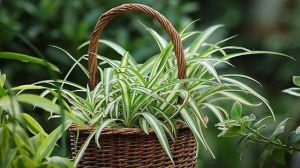
What Is the Difference Between Eupatorium and Spider Plant? A Quick Guide to Telling Them Apart
Leaf differences: Eupatorium leaves are long-elliptic to oblanceolate, tapering to a point at the tip, smooth and hairless on the surface, with fine teeth along the edges; spider plant leaves are basal, linear or sword-shaped, slightly narrowed toward both ends. Flower differences: Eupatorium has head-like inflorescences with white or slightly reddish flowers. Spider plant flowers are white, arranged in racemes or panicles.
-
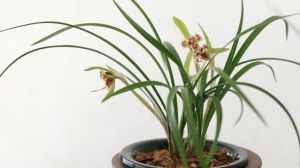
What is the difference between Eupatorium fortunei and Ophiopogon japonicus? A few tips to tell them apart easily
Leaf difference: The leaves of Eupatorium fortunei are long elliptic or oblanceolate, tapering gradually to a pointed tip, smooth and hairless on both sides, with fine teeth along the edges; the leaves of Ophiopogon japonicus are basal, grass-like, with fine serrations along the edges. Flower difference: The flowers of Eupatorium fortunei form a capitulum, white or slightly reddish; Ophiopogon japonicus bears a raceme, with white or pale purple flowers.
-
Detailed Explanation of Key Points for High-Yield Cultivation Techniques of Eupatorium
High-Yield Cultivation Techniques for Eupatorium
条件筛选