The effects and benefits of Eupatorium fortunei are mainly seen in resolving dampness, relieving summer heat, and stimulating the appetite
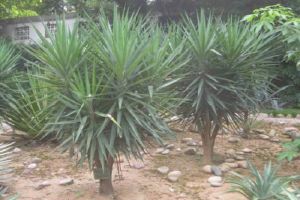
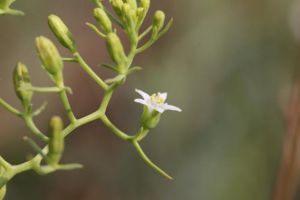
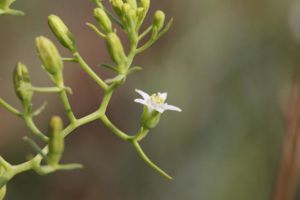
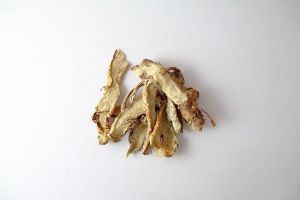
Eupatorium fortunei is a perennial herb of the genus Eupatorium in the Asteraceae family, also known as orchid grass and fragrant herb, and its dried aerial parts are a commonly used aromatic dampness-resolving medicinal material in traditional Chinese medicine. The whole plant has a delicate fragrance, with upright stems and opposite leaves; its flower heads mostly open between summer and autumn, appearing white or slightly tinged with red, and it is distributed or cultivated in many regions of China.
Traditional Chinese medicine holds that Eupatorium fortunei is pungent in flavor and neutral in nature, entering the spleen, stomach, and lung meridians, and is especially good at resolving dampness with its aroma, awakening the spleen and stimulating the appetite, and releasing the exterior and relieving summer heat. It is often used for abdominal distension, poor appetite, and nausea with a desire to vomit caused by dampness and turbidity troubling the spleen, and it is also suitable for discomforts such as heaviness of the head and body, fever, and fatigue that appear during the summer-dampness season. In addition, Eupatorium fortunei is good at resolving dampness and dispelling foul turbidity, and it is often useful for troubles such as a sweet, greasy taste in the mouth and stale breath, and is mostly used in combination with aromatic medicinal materials such as Agastache rugosa.
In daily use, Eupatorium fortunei can be steeped in water as a tea, taking advantage of its aromatic spleen-awakening property, or it can be decocted in water and added to a bath to help relieve the drowsiness caused by summer dampness. There is also a folk custom of putting it together with other fragrant herbs into a sachet to wear, and the ancients often wore Eupatorium fortunei on the body to dispel foul odors and scent themselves, which is exactly the origin of the word "wear" in its name.
It should be noted that although Eupatorium fortunei is mild in nature, those with yin deficiency and blood dryness or with qi deficiency and excessive sweating generally should not use it much; because it contains volatile oil, it should not be decocted for a long time when used in a decoction, so as to avoid the fragrance dissipating and affecting the effect. If the bodily discomfort is relatively obvious, it is recommended to first consult a professional physician for syndrome differentiation before deciding whether to use it, and do not take it on your own in large amounts for a long time.
Related Reading