What is the difference between Eupatorium fortunei and Ophiopogon japonicus? A few tips to tell them apart easily
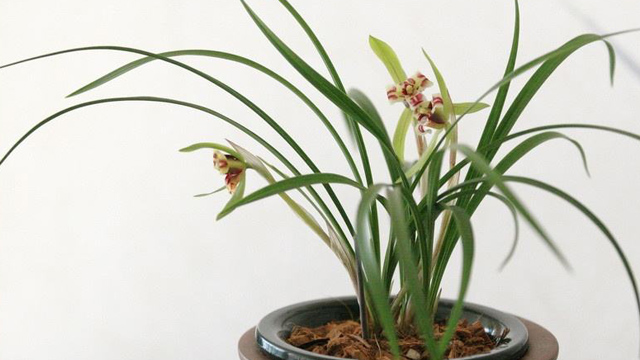
I. Leaf difference
The middle leaves of Eupatorium fortunei are long elliptic, oblanceolate or long elliptic-lanceolate, about 5 to 10 cm long and 1.5 to 2.5 cm wide, with the tip tapering gradually to a point. Both sides of the leaf are smooth and hairless, and the edges have irregular fine teeth or coarse teeth.
The leaves of Ophiopogon japonicus grow basally in clumps, are grass-like, about 10 to 50 cm long and 1.5 to 3.5 mm wide, with 3 to 7 veins, and the leaf edges have fine serrations.
II. Flower difference
Eupatorium fortunei has a capitulum, mostly borne at the top of the stem and the tips of the branches in a compound corymb, the inflorescence is about 3 to 6 cm, and the flowers are white or slightly reddish.
Ophiopogon japonicus bears a raceme, about 2 to 5 cm long, with anywhere from a few to more than ten flowers when blooming, and the flowers are white or pale purple.