-
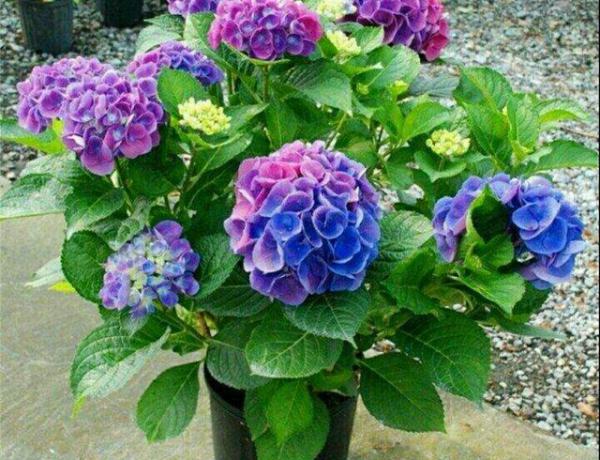
How to grow hydrangeas? Master balcony and courtyard care techniques
How do you grow hydrangeas on a balcony or in a courtyard?
-

A Complete Guide to Plant Pairing Techniques for Courtyard Gardens
Plant Pairing in Courtyard Gardens
-
Detailed Guide to September Courtyard Flower Propagation Methods and Techniques
Propagation of Courtyard Flowers in September
-
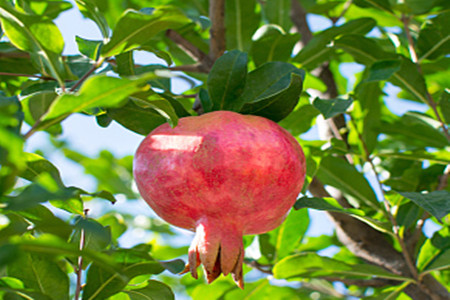
How do you plant a pomegranate tree? Which direction in the yard is best?
The direction to plant a pomegranate tree in the yard, and how to plant it
-
Detailed Explanation of Cutting Propagation Methods for Japanese Yew in Courtyard
Japanese yew, also known as zi shan or chi bai song, is a precious medicinal and ornamental tree species. The taxol it contains is the most effective anticancer drug in the world today. It stays evergreen year-round, and its peculiar red fruits contrast beautifully with the green leaves, giving it an elegant, refined look with strong ornamental value. Japanese yew can also release various alkaloid gases that kill bacteria and purify the air, providing certain health benefits. It has broad prospects for development in landscaping, bonsai making, and creating green indoor spaces. The author conducted cutting propagation experiments in a courtyard to cultivate seedlings for bonsai and afforestation, and now summarizes the cutting propagation
-
Courtyard Cultivation Methods and Technical Key Points for Chinese Orchids
Many orchid growers use courtyards as orchid sites for orchid cultivation. The advantage is that it is close to the ecological environment of the orchid's native habitat, which is beneficial to the growth and development of the orchid plants. The disadvantage is that light, temperature, moisture, and wind force are not easy to control, and the plants are prone to natural disasters, pests, and diseases, which to a certain extent restricts the growth of the orchid plants. Therefore, the following key problems must be solved with emphasis: Light. Orchids are semi-shade plants. They cannot do without sunlight, but strong sunlight is also harmful. In winter and spring they need full light, while in summer and autumn strong direct light must be blocked. If the courtyard faces south, move the orchid plants to the front of the house in winter and spring, and to the foot of the south wall in summer and autumn. If it faces north, move them to the foot of the north wall in winter and spring, and to the front of the door in summer and autumn. In summer and autumn, shade nets must be used for shading, and the shading degree should be no less than 70%. If conditions permit, climbing plants such as grapes, loofah, and chayote can also be planted in the courtyard in summer, which can both shade and cool the orchids and provide fresh melons and fruits for eating.
条件筛选