How Are Angora Rabbit Wools Harvested? Detailed Explanation of Methods and Precautions
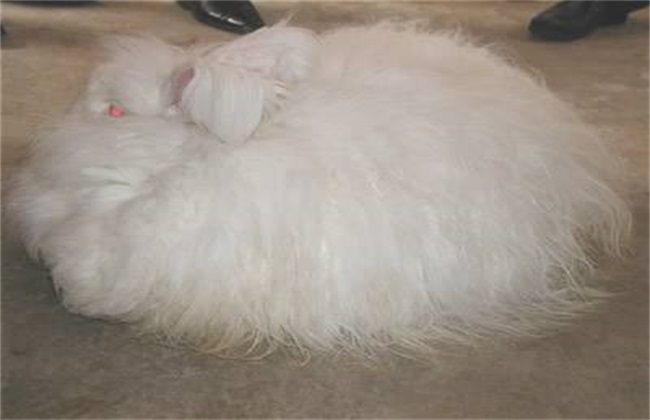
The Angora rabbit is the main wool-producing rabbit breed. Nowadays, as market demand for rabbit wool keeps growing, all kinds of rabbit wool textile products keep emerging. So the scale of farming is naturally getting larger and larger, and when we raise Angora rabbits, the wool harvesting work is very important, with many points that need our attention. So how exactly should the wool be harvested? And what precautions are there? Let's take a look together below!
1. Shearing Frequency
There are certain requirements for the shearing frequency of Angora rabbits. Under normal circumstances, one Angora rabbit can be shorn about four times a year. That is roughly once per season. When shearing, we should base it on the growth habits of the Angora rabbit. After about 3 months of wool growth, the rabbit wool can reach the special-grade level. At about 75 days it is first grade, and at two months it is second grade. Angora rabbits are quite sensitive to temperature changes, so the rabbit shed must be kept warm in winter and cool in summer. Therefore, the shearing time can generally be in March, June, September and November; if shearing is done in these months, at least first-grade wool can be obtained.
2. Shearing Methods
When shearing Angora rabbits, the most commonly used method is cutting with scissors. Shearing also has fairly high technical requirements; generally, a breeder with mature shearing skills can shear one rabbit in about 8 minutes. There is a certain order when shearing. First start cutting from the midline of the Angora rabbit's back, then the sides, rump, neck, under the jaw, belly, and limbs, and finally the hair on the head. After shearing, the wool should be sorted and stored separately according to length, luster and other qualities, and it is best to keep the direction of the wool fibers the same.
3. Precautions
When shearing, the scissors must be kept close against the Angora rabbit's skin, and the rabbit wool must absolutely not be lifted up to cut. Otherwise it will injure the rabbit's skin, especially in some places where the skin is not smooth, and we must also prevent the scissors from cutting through the Angora rabbit's skin and causing injury. Then we should note that a second shearing is not allowed, meaning that if the stubble left after the first shearing is relatively high, it still must not be trimmed again. This avoids short wool lowering the quality of the rabbit wool and affecting the normal shearing of the rabbit wool the second time.
Then we should pay attention to controlling the shearing environment well; it should be done on a sunny day with no wind. If shearing is done in winter, then after shearing the work of cold protection and heat preservation must be done well. Dry grass should be added inside the rabbit cage to prevent the temperature from being too low and causing the Angora rabbit to catch a cold. When shearing the wool on the Angora rabbit's belly, be careful to prevent injury to the nipples and scrotum; for female rabbits about to give birth, shearing of the chest wool and belly wool can be stopped. Then Angora rabbits suffering from infectious diseases should be shorn separately, and the shearing tools should also be used separately to avoid spreading disease.
The above is a brief introduction to the wool harvesting methods and precautions for Angora rabbits. Wool harvesting of Angora rabbits directly affects farming benefits, so everyone must pay close attention when raising them and must not proceed blindly. That is all for today's introduction. This article is for reference only, and I hope it can help everyone!