How to improve the quality of angora rabbit wool? These breeding methods are very practical
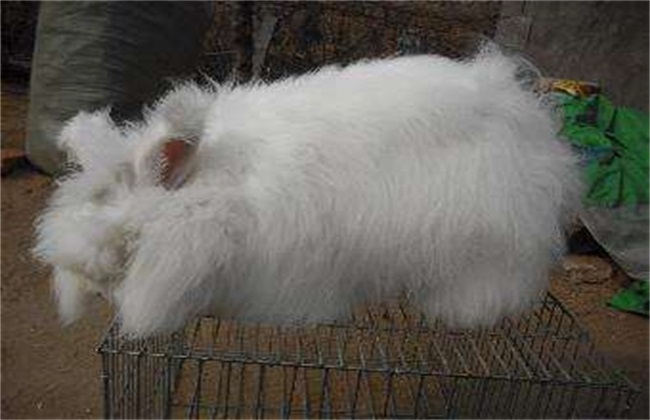
The angora rabbit is not only a common pet in our lives, but also a very important wool-producing rabbit breed. Many people have found their way to wealth by raising angora rabbits. Nowadays there are a great many angora rabbit breeders, and how to improve wool quality when raising angora rabbits is the main problem many of them face. So how should we raise them to improve wool quality? Let's take a look together below!
1. Breeding environment
The breeding environment is very important to the quality of angora rabbit wool. To improve the wool quality of angora rabbits, the first thing you need to do is ensure the environment of the rabbit hutch. The hutch must be kept dry and have a certain degree of ventilation, because angora rabbits have a fairly strong body odor. If ventilation is poor, air quality will be greatly affected. This is very unfavorable to the growth of angora rabbits. Furthermore, if the hutch is too damp, it easily breeds bacteria, the rabbits also become dirtier, and wool quality declines as a result. Finally, the hutch temperature should be controlled at around 20 degrees, as this is the most suitable growing environment for angora rabbits.
2. Proper combing
Proper combing is a key measure for ensuring the wool quality of angora rabbits. Combing can begin after the young rabbits are weaned, roughly once every half a month. If you do not comb regularly, the wool, being sparse and loose, easily becomes matted, which is very unfavorable for shearing and also affects wool quality. However, when combing we should also pay attention to observing the coat condition of the angora rabbit; for rabbits with dense, well-structured and tight coats, combing time can be appropriately reduced. So the specific combing should be determined according to actual conditions.
3. Combing method
The main combing tool for angora rabbits is a comb; sharp combs must not be used, to prevent puncturing the angora rabbit's skin. There is a certain order to combing: first comb behind the neck and then the two shoulders. Then follow down along the back, the sides, the rump, the tail, the hind legs, and so on. Then lift the rabbit up to comb the chest, abdomen, and so on. Finally, tidy up its forehead and both cheeks. When you come across clumps while combing, tear them apart slowly with your hands, then continue the combing work. If they cannot be separated, then the clumps should be appropriately cut away.
4. Strengthen management
Finally, we must do a good job of management. The first thing is to control the forage well and ensure a balanced and complete nutrition. Do not feed forage that is too high in moisture or moldy and spoiled, and do a good job of sanitation management in the rabbit hutch. You can appropriately add some special feed to the diet to improve wool quality. Then there is disease prevention work, which is very important. Because most rabbit diseases are infectious diseases, one rabbit becoming ill can cause all of them to become ill. So we must vaccinate properly, control the environment well, and ensure the normal growth of the angora rabbits.
The above is a brief introduction to how to improve the quality of angora rabbit wool. The wool quality of angora rabbits is something we need to take seriously; everyone must do a good job of management to protect their breeding profits. That is all for today's introduction. This article is for reference only. Thank you for reading and your support.