-

What are the control methods for the wolfberry psyllid?
The wolfberry psyllid, also called pig-snout honey or jaundice, belongs to the family Psyllidae and is a major pest of the wolfberry (goji). Adults and nymphs damage branches and leaves, sucking sap, which weakens the tree, causes early leaf drop, and seriously affects the following year's yield. The wolfberry psyllid has 4 generations a year, overwintering as adults in bark crevices, wall cracks, soil cracks, dead branches and fallen leaves, and weeds. In late March of the following year, the adults emerge from dormancy, reproduce and cause damage; damage is most severe from June to October, and at the end of October the last-generation adults overwinter. Its control methods are the same as those for aphids.
-

-
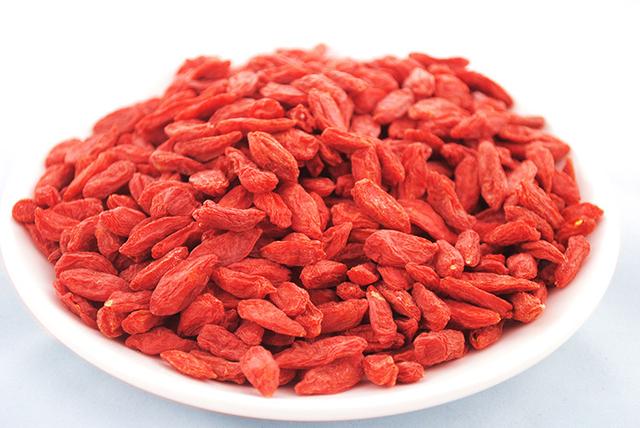
Goji (Wolfberry) Cultivation Techniques and Disease and Pest Control Methods
Cultivation of Goji and Disease and Pest Control
-

Wolf Warrior 3 Cast May Already Be Confirmed, and Besides Andy Lau and Zhao Wenzhuo, There Is Also Him
For those of you who have seen the first two Wolf Warrior films, aren't you incredibly excited for Wolf Warrior 3? As the main cast of Wolf Warrior 3 has basically been confirmed recently, everyone's anticipation can be said to be just around the corner. Previously, directed by Wu Jing...
-
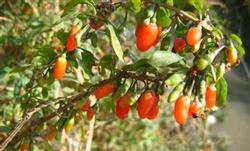
How to prevent and control wolfberry black fruit disease? These methods are very practical
Wolfberry black fruit disease damages the green fruit, flowers and buds of wolfberry, and also damages young shoots and leaves. From the early fruiting stage in early May to the late fruiting stage in mid-October, wolfberry can be infected by this disease. From May to June, when the daily average temperature is above 17°C, the relative humidity is around 60%, and there are 2~3 rainy days per ten-day period, the disease can occur in the field. From July to September, when the daily average temper...
-

Detailed Explanation of the Techniques and Methods for Establishing Fast-Growing Goji (Wolfberry) Plantations
Goji has strong adaptability and can tolerate cold, drought, and salinity-alkalinity. It can grow in sandy loam, loam, loess, and sandy wasteland saline-alkali soils alike. Goji prefers a cool climate; it loves light and loves fertilizer. II. Propagation Methods. Goji flowers are solitary or several clustered in the leaf axils, with a pink or pale purple-red corolla bearing dark purple vein patterns; the pedicels are slender...
-
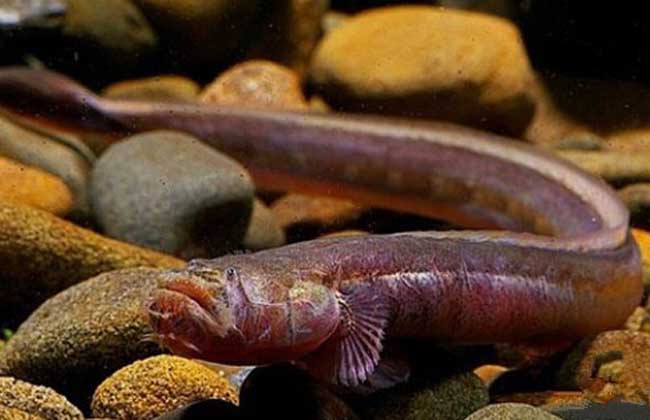
Can the red wolf-tooth goby be eaten? Let's learn about this small fish
Can the red wolf-tooth goby be eaten?
-
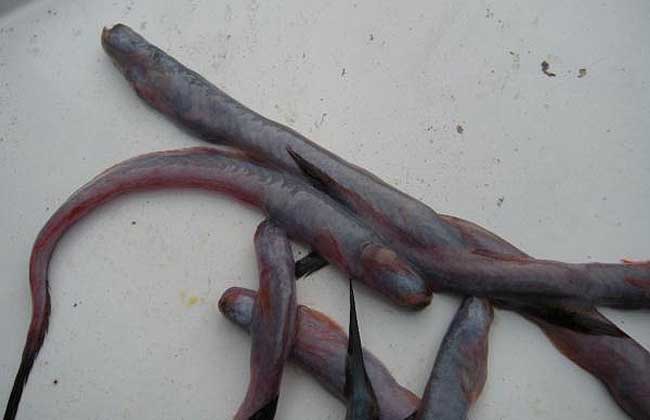
What does the wolf-tooth goby eat? A detailed explanation of its diet
What does the wolf-tooth goby eat?
-
Full analysis of the key technical points for the prevention and control of wolfberry pests and diseases
Wolfberry pest and disease prevention and control techniques
-
How to grow Poria (Wolfiporia cocos) for high yields? A detailed guide to high-yield Poria cultivation techniques
High-yield cultivation techniques for Poria
条件筛选