-

Production technology of wolfberry (goji) juice concentrate powder and wolfberry juice powder containing wolfberry polysaccharides
1. Technology introduction: The use of solubilization and filter-aid technologies has made the industrial production of wolfberry (goji) extract a reality. The wolfberry extract product has good instant solubility, and the solution is crystal clear and transparent with no precipitation or layering, solving technical problems such as turbidity, precipitation and layering of wolfberry juice and raising the product quality grade. Low-temperature vacuum concentration and two-stage vacuum low-temperature drying technologies give the product excellent color, aroma and taste, with very little loss of nutrients during processing. Enzyme hydrolysis technology is adopted to improve extraction efficiency and moderately adjust the viscosity of the slurry, ensuring product
-
Identification and Control Methods for the Wolfberry Psyllid
Also known as jaundice, it belongs to the order Homoptera, family Psyllidae. The pest's scientific name is PoratriozasinicaYangetLi. It damages crops such as wolfberry (goji) and black nightshade. Pest identification: adults and nymphs pierce and suck sap on the undersides of leaves, tender shoots and buds, causing the plant to decline in vigor and the leaves to turn yellow. The secreted honeydew causes sooty mold on the leaf surfaces below. The adult is about 3.8 mm long, yellow-brown to dark brown in body color, with orange-yellow markings. There is one pair of milky protrusions on the front of the frons; the basal segment and terminal segment of the antennae are black, while the rest are yellow. The femora of the front and middle legs are the same color as the body, while the hind femora are slightly black.
-

Detailed Explanation of the Techniques and Methods for Establishing Fast-Growing Goji (Wolfberry) Plantations
Goji has strong adaptability and can tolerate cold, drought, and salinity-alkalinity. It can grow in sandy loam, loam, loess, and sandy wasteland saline-alkali soils alike. Goji prefers a cool climate; it loves light and loves fertilizer. II. Propagation Methods. Goji flowers are solitary or several clustered in the leaf axils, with a pink or pale purple-red corolla bearing dark purple vein patterns; the pedicels are slender...
-
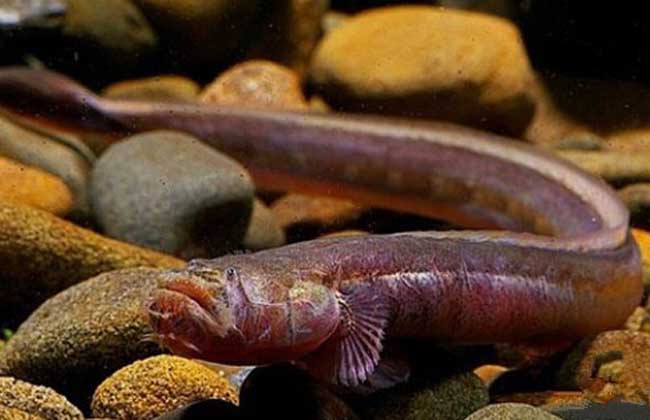
Can the red wolf-tooth goby be eaten? Let's learn about this small fish
Can the red wolf-tooth goby be eaten?
-
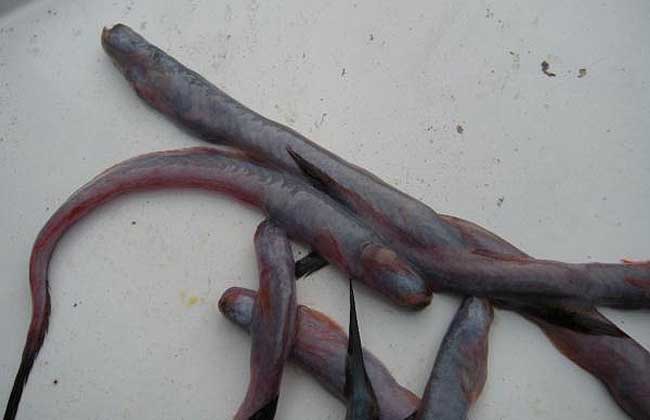
What does the wolf-tooth goby eat? A detailed explanation of its diet
What does the wolf-tooth goby eat?
-
How to grow Poria (Wolfiporia cocos) for high yields? A detailed guide to high-yield Poria cultivation techniques
High-yield cultivation techniques for Poria
-
What are the control methods for the wolfberry rust mite?
The wolfberry rust mite belongs to the family Eriophyidae. Swarms of mites densely cover the leaves and suck the sap, causing the leaves to turn rust-colored and drop early. Adult mites overwinter in bark crevices, bud axils and other places. The following year, after the wolfberry leaves unfurl in mid-April, they begin their damaging activity, and they begin laying eggs in late April. Late May to late June is the peak period of reproduction. After that, because the leaves turn rust-colored and the nutritional conditions deteriorate, the number of mites drops greatly. From late July to early August, new leaves emerge and a second reproduction peak appears. In mid-September reproduction slows, and after leaf fall in October the adult mites move to
-
What are the control methods for the wolfberry gall mite?
The wolfberry gall mite belongs to the family Eriophyidae. It damages wolfberry leaves, tender shoots, petals, flower buds and young fruit, and the damaged parts form purple or yellow diseased galls. The wolfberry gall mite overwinters as mature adult mites inside the scales of wolfberry winter buds or in cracks in the bark of branches. When leaves unfold in April of the following year, the adult mites migrate to the new leaves on old branches to lay eggs; after hatching, the nymphs invade the plant tissues and cause galls. In mid-to-late May, the gall mites crawl from the galls onto new shoots to cause damage, continuing until late June, forming the first peak period of reproduction. By mid-August, when the autumn shoots grow, the gall mites move again to the new shoots to cause damage
-

Wolf Warrior 3 Cast May Already Be Confirmed, and Besides Andy Lau and Zhao Wenzhuo, There Is Also Him
For those of you who have seen the first two Wolf Warrior films, aren't you incredibly excited for Wolf Warrior 3? As the main cast of Wolf Warrior 3 has basically been confirmed recently, everyone's anticipation can be said to be just around the corner. Previously, directed by Wu Jing...
-
Detailed Explanation of Key Points of the New Technology for Wolfberry Cutting Propagation
Key Points of the New Technology for Wolfberry Cutting Propagation
条件筛选