How to treat pig wounds? You can learn it even without veterinary knowledge
1. For wound hemostasis, besides methods such as compression, clamping, and ligation, hemostatic agents can also be used, such as topical hemostatic powder sprinkled on the wound surface; when necessary, systemic hemostatic agents such as adrenochrome, vitamin K, or calcium chloride can be used.
2. Clean the area around the wound. First cover the wound opening with sterile gauze, clip off the surrounding hair, wash the area around the wound with 0.1% benzalkonium bromide solution or normal saline, and then disinfect the area around the wound with 5% iodine tincture.
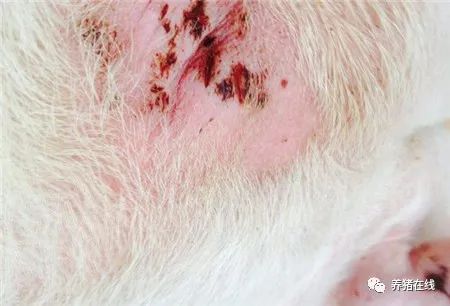
3. Clean the wound cavity. Remove the covering, carefully remove foreign matter from inside the wound with tweezers, repeatedly wash the inside of the wound with normal saline, and then gently dab away the residual medicinal liquid and dirt inside the wound with sterile gauze. Then apply iodine tincture to the wound surface.
4. Suturing and bandaging. When the wound surface is relatively neat and surgical treatment is relatively thorough, closed suturing can be performed; when there is a risk of infection, partial suturing can be performed; if the wound opening is too wide, the two ends can be sutured; when tissue damage is severe or suturing is inconvenient, open treatment can be performed; wounds on the lower part of the limbs should generally be bandaged.
If tissue damage or contamination is severe, tetanus toxoid and antibiotics should be injected promptly.
1. Purulent woundsTreatment: ① Clean the area around the wound. ② Flush the wounded limb with 0.1% potassium permanganate solution, 3% hydrogen peroxide solution, or 0.1% benzalkonium bromide solution, etc. ③ Open the wound edges, remove deep foreign matter, excise necrotic tissue, and drain the pus. ④ Finally, use pine tar iodine flow ointment (pine tar 15 g, 5% iodine tincture 15 mL, castor oil 500 mL) gauze strip for drainage. ⑤ When there are systemic symptoms, appropriate antibacterial and anti-inflammatory drugs may be selected, and attention should be paid to strengthening the heart and detoxifying.
2. Granulation woundsTreatment: ① Clean the area around the wound. ② Clean the wound surface, gently washing with normal saline. ③ For local medication, choose drugs with little irritation that can promote granulation tissue and epithelial growth, such as pine tar iodine flow ointment, 3% gentian violet, etc. When granulation tissue is excessive, copper sulfate can be used for cauterization.