-
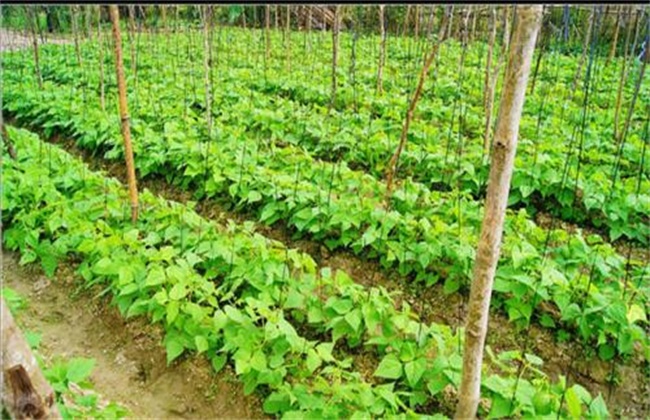
How to Grow Winged Beans? Detailed Guide to Planting Techniques and Management Methods
Planting Techniques for Winged Beans
-
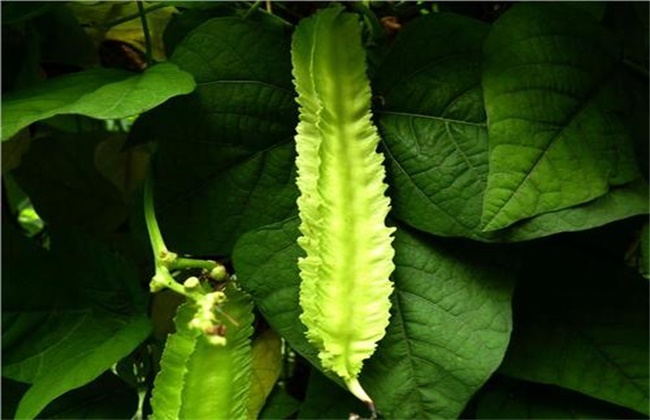
What to Do About Winged Bean Flower Bud Drop? Cause Analysis and Control Methods
Causes of Winged Bean Flower Bud Drop and Control Methods
-

-
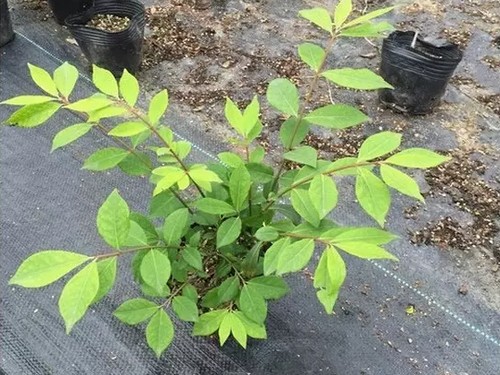
How to grow a winged euonymus bonsai? Detailed cultivation techniques
In late autumn, the leaves of winged euonymus turn fiery red; in the other seasons the leaves stand upright and are green. It is a very beautiful autumn and winter colorful-leaf ornamental plant. Thanks to its outstanding bright red leaves in autumn, which last for several months, it is rated in the landscaping industry as one of the high-grade nursery stock. The densely crowned euonymus has a full and neat plant shape and tolerates pruning
-
Is the winged one a king ant or a queen ant? An analysis of how queen ants reproduce
Do you keep ants? Then what do you know about queen ants? Let's take a look together. 1. Does the queen ant have wings? Generally, queen ants do not have wings. After mating, reproductive ants soon break off their own wings, or in the case of some polygynous ants, after mating outside the nest with males from other nests, they return to the original nest, where worker ants remove their wings, and they begin a new life.
-
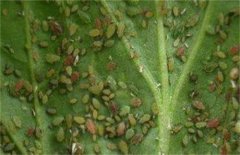
Control Methods for Yam Bean Beetle and Blue-Winged Leaf Beetle
How should the control methods for yam bean beetle and yam blue-winged leaf beetle be carried out? Do you know? Let's take a look together. The yam bean beetle pest occurs from May to August, with only 1 generation per year. The yam blue-winged leaf beetle also has 1
-
What plant is the winged sumac? Get to know the winged sumac of the cashew family
Scientific name: Rhus typhina. Common name: winged sumac. Family and genus: Anacardiaceae, genus Rhus. This family has about 60 genera and more than 600 species, distributed in tropical and subtropical regions worldwide, with a few extending into the northern temperate zone. China has 16 genera and 54 species, mainly distributed in the provinces south of the Yangtze River. Morphological characteristics: shrub or small tree, tree height 3-5m. Odd-pinnate compound leaves, 9-17 leaflets, lanceolate-oblong, 5-12cm long, rounded
-
Identification and Control Methods for the White-Winged Leafhopper in Rice
Scientific name Thaia rebiginosa Kuoh, formerly mistaken for Erythroneura subrufa (Motschulsky), belongs to the order Homoptera, family Cicadellidae. It is distributed south of the Yellow River and east of Xichang, Sichuan. Damage is severe in parts of the mountainous areas of Yunnan, Guizhou and Sichuan and in Hanzhong, Shaanxi. Hosts include rice, wheat, barley, sugarcane, wild rice stem, corn, rapeseed and others. Damage characteristics: adults and nymphs pierce and suck leaf sap; damaged leaves first show scattered small white spots, which later join into dotted streak marks, or white streak marks that eventually
-
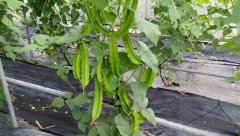
How do you get winged beans, and can you eat them raw? Everything explained in one article
Have you ever seen a bean with wings? If not, let's get to know it together. This kind of bean is not only better looking than ordinary beans, but its tender pods are emerald green, with an excellent pod shape and a crisp, fresh taste. Spring cropping can produce high-quality tender pods. Can winged beans be eaten raw? It should
-
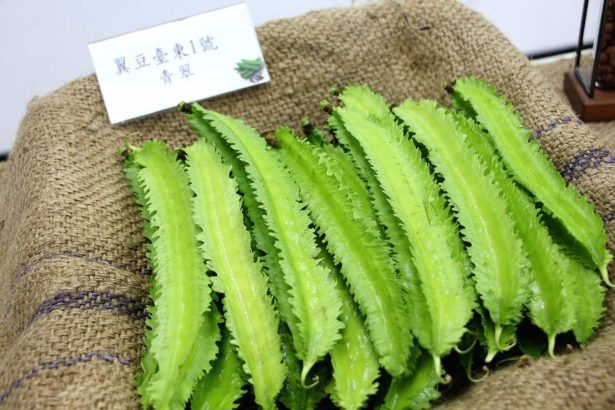
Winged bean is crisp and tender; the new variety Taitung No. 1 - Qingcui tastes even better
How can you miss the most delicious legume vegetable? Winged bean is crisp and tender, and the new variety "Taitung No. 1 - Qingcui" is even better
条件筛选