-

How to Raise White Grubs? A Detailed Guide to Artificial Breeding Techniques for White Grubs
White grubs can be raised through artificial breeding. Artificial breeding can start from the pupal stage: collect the seed pupae and move them into wooden boxes or clay jars for rearing. Wait for the pupae to emerge, then feed them fresh leaves or root-type feed. During the larval stage, it is best to feed them a large amount of chicken manure, mixed with moist soil at a ratio of 1:3-4.5
-
How do peanut white grubs occur? A detailed explanation of the latest control methods
Peanut is the most important cash crop in China. As the peanut planting area continues to increase, yields rise year by year, but the white grub problem in peanuts is also becoming more and more serious. It gnaws on the peanuts during growth and harvest, causing wormholes in the peanuts and seriously affecting yield and quality.
-
A Detailed Guide to the Latest Control Methods for Blueberry White Grubs
White grubs are a major pest in blueberry cultivation, mainly attacking the blueberry root system and feeding continuously. In blueberries gnawed by white grubs, the leaves first turn yellow, and eventually the branches and leaves wither and die; the pest can also trigger root rot, causing great harm to blueberries. So how should blueberry
-
Control Methods for the Main Pest of Polygonatum: White Grubs
Polygonatum, also known as tiger ginger and chicken-head ginseng. It is the dried rhizome of Polygonatum kingianum, Polygonatum sibiricum, or Polygonatum cyrtonema of the Liliaceae family. According to differences in the original plant and the characteristics of the medicinal material, Polygonatum can be divided into three types: ginger-shaped Polygonatum, chicken-head Polygonatum, and large Polygonatum. The original plant of ginger-shaped
-
What pesticide is effective for controlling white grubs
White grubs are a common pest that damages many kinds of crops and generally live in the soil, so what pesticide should be used to control white grubs? 1. Basic introduction to white grubs. The Chinese scientific name of the white grub is white soil grub, also called old mother worm, walnut worm, etc. It is the larva of the scarab beetle, and
-
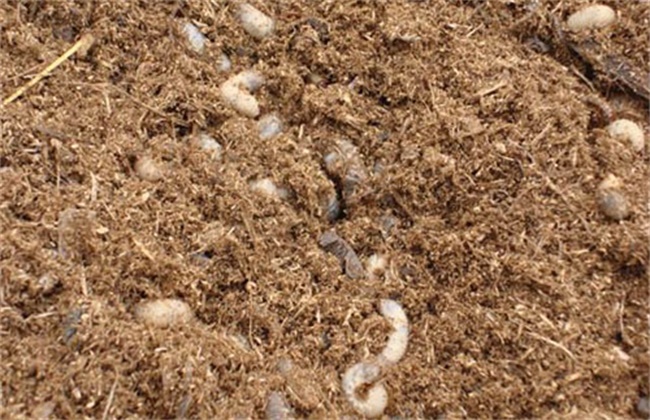
How to control blueberry white grubs? A few practical methods to teach you
Control methods for blueberry white grubs
-
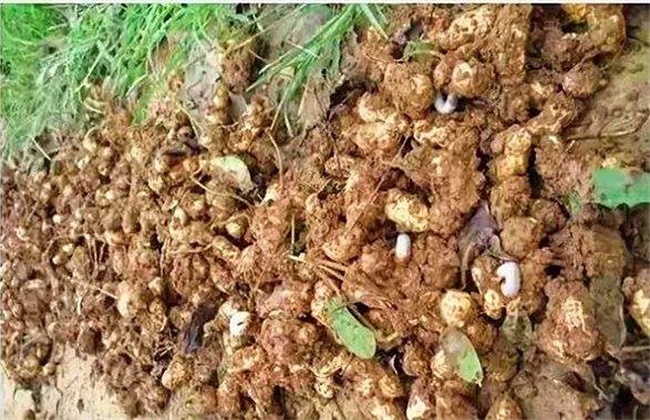
Detailed Explanation of the Causes and Control Methods of Peanut White Grubs
Causes and Control Methods of Peanut White Grubs
-
Identification and Control Methods for White Grub Infestation in Codonopsis pilosula
Belonging to the order Coleoptera, family Scarabaeidae. It is the larva of the scarab beetle, mainly active in the soil, damaging the roots of Codonopsis pilosula. White grubs generally have one generation per year, with larvae or adults overwintering in the soil. After temperatures rise in the following spring, white grubs gradually move upward in the soil; when the soil temperature reaches above 15°C, they move into the topsoil layer above 10cm to feed. When summer temperatures rise and the soil dries out, they descend to deeper soil layers and stop feeding or moving. In autumn they return to the topsoil layer to be active, and after October they successively burrow down below 30cm to overwinter.
-
How to treat white grubs in chives? Detailed control methods
Drench the roots with a 1000-fold dilution of 50% phoxim, a 1000-fold dilution of 80% trichlorfon, a 4000-fold dilution of 50% phoxim-cypermethrin emulsifiable concentrate, a 300-fold dilution of 20% fenvalerate, or a 3000-fold dilution of 2.5% deltamethrin. Alternatively, before sowing or transplanting, mix the above pesticides with poisoned bait and broadcast it, or use a seed coating agent for coating.
-
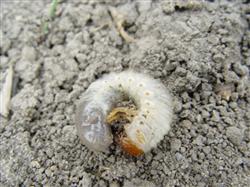
What are the control methods for ginseng white grubs?
White grubs are the larvae of large scarab beetles. They are voracious pests that can cause damage continuously. In spring, they begin activity when the soil temperature at 10 cm below the surface reaches 5°C; the optimal average soil temperature for activity is 13-18°C. Above 23°C they gradually move to deeper soil layers, and when the soil temperature drops in autumn to their suitable activity temperature, they move back up to the upper soil layers. Daily life...
条件筛选