-

Occurrence Patterns and Control Methods of the Rice Water Weevil
The rice water weevil is an internationally recognized quarantine pest of agricultural plants. It first occurred in the Americas. In Asia, the countries where it occurs include Japan, South Korea, North Korea, and others. The place where the rice water weevil was first discovered in China was in 1987 in Tanghai County, Hebei Province. The area where the rice water weevil was first discovered in our province was in August 1993 in Ji'an City in the Tonghua region. At present, most areas of our province have this pest to varying degrees. I. Damage level of the rice water weevil. The rice water weevil mainly damages rice and also damages some grass
-
Occurrence Patterns and Control Methods of the Rice Water Weevil
The rice water weevil is an internationally recognized agricultural plant quarantine pest. It first occurred in the Americas, and the countries in Asia where it occurs include Japan, South Korea, North Korea, and others. The place where the rice water weevil was first discovered in China was Tanghai County, Hebei Province, in 1987. The area where the rice water weevil was first discovered in our province was Ji'an City in the Tonghua region in August 1993. At present, this pest occurs to varying degrees in most areas of Heilongjiang Province. I. Degree of damage caused by the rice water weevil. The rice water weevil mainly damages rice, and also damages some
-
Identification and Control Methods of the Red Pine Pest Red Wood Borer Weevil
Why is the red wood borer weevil considered an important pest of young red pine trees? Because the larvae of the red wood borer weevil bore under the bark of red pine branches and shoots, causing the main shoot and side shoots to be damaged and die. This not only affects the growth of red pine, but can also cause the branches and trunk to crack and exude resin, weakening the tree's vigor and allowing other pests and diseases to invade and cause harm. Moreover, because this insect spends most of its life cycle under the bark of branches, it is difficult to control. Once it occurs in a forest, it may bring serious consequences of forest destruction. How to identify the red wood borer weevil? The adult of this insect is a small beetle, belonging to
-
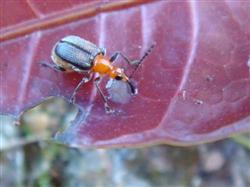
How to control mango weevil disease? Detailed explanation of control methods
1. The mango leaf-cutting weevil is widely distributed. Adults feed on young mango leaves, causing the leaves to dry up; or females lay eggs on young leaves and bite the young leaves off from the base, affecting plant growth. Control methods: ① During the growth period of young shoots, pick up the bitten-off fallen leaves from affected plants once every 3 days, dry them in the sun and burn them to kill the lar...
-
What is the occurrence pattern of the jujube bud weevil
The occurrence pattern of the jujube bud weevil
-
What are the symptoms of damage caused by the jujube bud weevil?
Damage symptoms of the jujube bud weevil
-
How to control the jujube bud weevil? Detailed control methods
Control methods for the jujube bud weevil
-
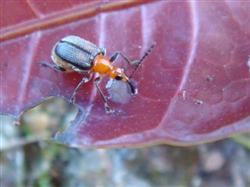
What are the control methods for mango weevil infestation?
1. The mango leaf-cutting weevil is widely distributed. Adult beetles feed on tender mango leaves, causing the leaves to dry up; or the female lays eggs on tender leaves and bites the tender leaves off at the base, affecting plant growth. Control methods: ① During the period of new shoot growth, pick up the bitten-off fallen leaves from affected plants once every 3 days, dry them in the sun and burn them to kill the larvae;...
-
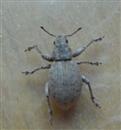
What are the control methods for mango weevil disease?
How to best control mango weevil disease? Please introduce. Mango weevil disease can be controlled by referring to the following methods: 1. The mango leaf-cutting weevil is widely distributed; adults feed on young mango leaves, causing the leaves to dry up; or females lay eggs on young leaves and bite the young leaves off from the base, affecting plant growth. Control methods: (1) During...
-
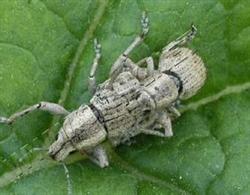
What are the control methods for the ginseng large gray weevil?
The large gray weevil, also known as the snout beetle or "tula lv", has an adult body length of 9-12 mm, grayish-yellow or grayish-black, densely covered with grayish-white scales. The head and rostrum are densely covered with golden shiny scales. The pests occurring this year mainly feed on tender stems and leaves on the soil surface during the seedling emergence period, causing great damage. When disturbed, they feign death and drop to the ground, causing damage in the early morning and evening....
条件筛选