-

Key Technical Points for Watering, Cultivation, and Weeding of Lilies
During the seedling stage and after flowering of lilies, the water supply can be appropriately reduced, but during the peak growth period, more water should be added. In times of drought, irrigation is needed. In summer, watering is generally done in the early morning or evening, and the amount of water applied at one time should not be too much, with the soil layer being thoroughly wet as the appropriate standard. When irrigating through furrows, the water is only required to be level with the surface of the raised beds. In areas with relatively high rainfall, drainage should be carried out promptly to prevent waterlogging damage to lilies. Throughout the life of lilies, cultivation and weeding should be carried out several times, generally after irrigation or rain. Before winter, the field should be thoroughly cleaned, and the soil should be cultivated and loosened.
-
Frequently Asked Questions About Fertilizing and Weeding Cotton Under Plastic Mulch
Recently, Ding Libang, a 75-year-old farmer from Shuqiao Village, Wuluo Town, Yunmeng County, Hubei Province, called me to ask whether he could switch from raising seedlings in nutrient pots and transplanting them to cultivation under plastic mulch this year. Here is my answer. Q: Can chicken manure be used as a base fertilizer for cotton under plastic mulch? A: When using chicken manure as a base fertilizer, several points must be noted: first, the chicken manure must be fully decomposed; second, it must be applied early, before the mulch is laid; third, the application rate must not be less than 1500 kg per mu; fourth, because chicken manure contains a certain amount of weed seeds, attention must be paid
-
How to solve the weeding problem in dry Pinellia ternata? An analysis of practical methods
Dry Pinellia ternata is a dicotyledonous plant. In the cultivation process of this medicinal material, the weeding problem is rather tricky, and there is currently no clear and effective method; it is still mainly manual weeding, and no herbicide weeding trials have been conducted. It is said that an expert specializing in Pinellia once used glufosinate after sowing dry Pinellia, with slight effect, but we do not know the specific dilution concentration. You might try using glufosinate starting from a low concentration (100-fold solution), testing in a small area with a gradient of ratios, and after observation, once it is confirmed that the herbicide has a clear killing effect on other weeds and
-

Management key points for the first cutting period of mint: intertillage and weeding, fertilizer and water management, and pest and disease control
How to manage mint during the first cutting period? Management of mint during the first cutting period includes: checking seedlings and replanting, intertillage and weeding, timely topdressing, scientific watering, disease control, pest control, and timely harvesting
-
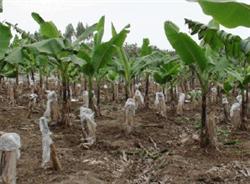
Detailed Explanation of Key Points for Banana Intercultivation and Weeding Techniques
The main diseases of banana include bunchy top disease, mosaic heart rot disease and leaf spot disease; the first two are both viral diseases transmitted by aphids. 1. Bunchy top disease, also known as bunchy top, banana male, shrimp banana, has symptoms of green veins on the leaf stalk, new leaves emerging narrower and narrower, crinkled, forming a clustered top, and unable to bear fruit. Diseased plants should be dug out and burned promptly, and...
-
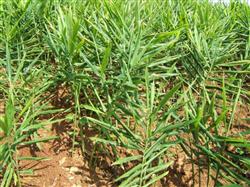
What method works well for weeding ginger fields
How should weeds be controlled in a ginger field? Please give guidance. During the growth of ginger, a large number of weeds compete with ginger seedlings for fertilizer, water and sunlight, so the ginger seedlings cannot get normal nutrition and grow poorly, causing reduced yields. Therefore, at the seedling stage, timely weeding is an important management measure, but pulling weeds by hand is labor-intensive and takes a lot of work...
-
Never spray herbicides carelessly when weeding litchi and longan orchards
Dodder has no roots and no leaves, but its stem has serrated haustoria (or sucking roots), which penetrate deep into the bark to absorb nutrients, affecting the growth of fruit seedlings and, in severe cases, causing young seedlings to wither and die. It is more common in mature mountain litchi orchards. Dodder can flower and set seed; the flowers are small and white, and the fruit drops on its own after ripening...
-
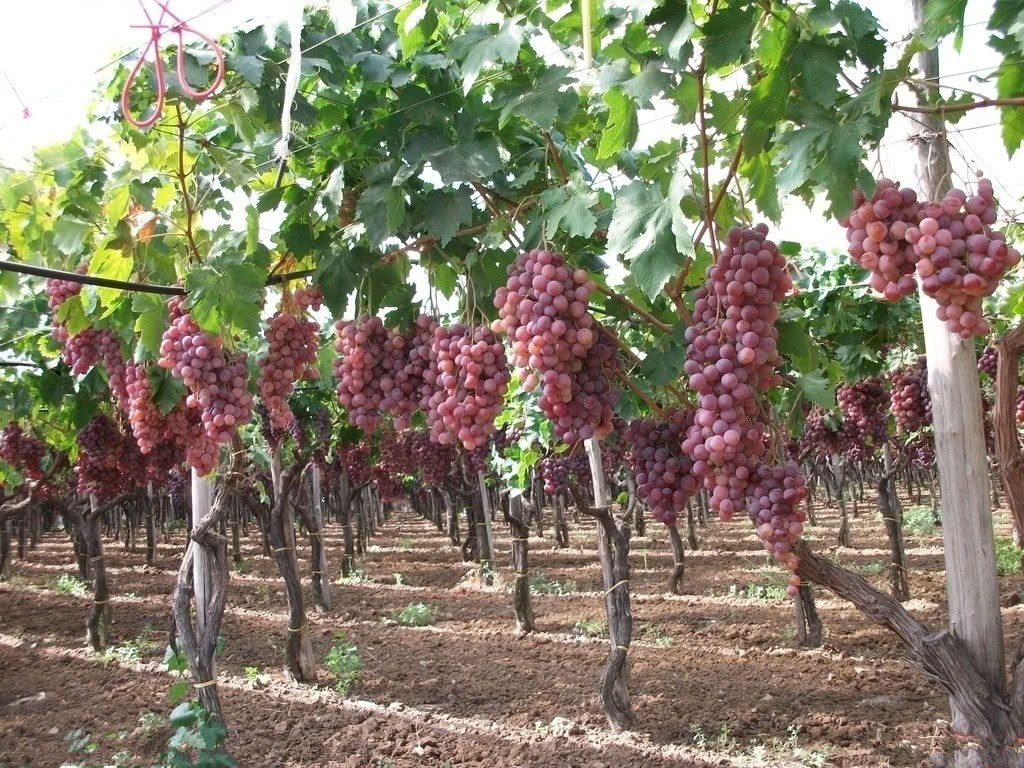
You Must Not Pull This Weed in the Vineyard: Sister-in-Law Started Weeding and Second Brother Hurriedly Yelled for Her to Stop
The second sister-in-law couldn't sit still and went into the vineyard to pull weeds. Seeing this, the second brother shouted: Stop, you must not pull this weed! The second brother's grapes were just ripening, and under his careful care, the grapes were not only large but also tasted very good. So, people driving...
-

How to weed Atractylodes macrocephala plantings? Key field weeding techniques
How to weed Atractylodes macrocephala plantings? Please explain the herbicides that can be used on Atractylodes macrocephala and how to apply them. Atractylodes macrocephala plantings generally need to control crabgrass, goosegrass, foxtail, barnyardgrass, leptochloa and lovegrass, etc. Commonly used soil-applied pre-emergence herbicides include trifluralin and acetochlor. For application methods, refer to the following: generally before transplanting...
-
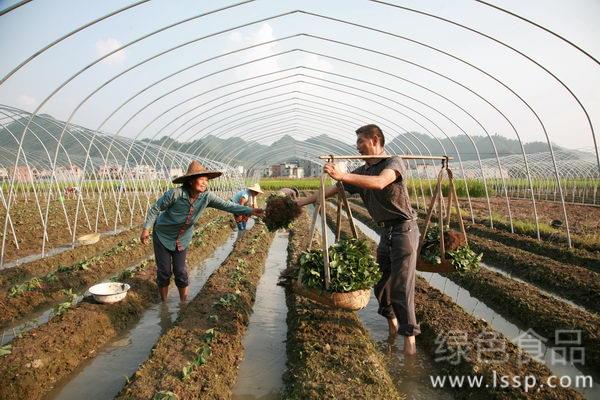
How to manage strawberries after planting? Key technical points for watering, intertillage weeding, fertilizing and leaf removal
Management techniques for strawberries after planting: watering, intertillage weeding, fertilizing and leaf removal
条件筛选